Blue Cypress vs Mediterranean Cypress: Know the Difference
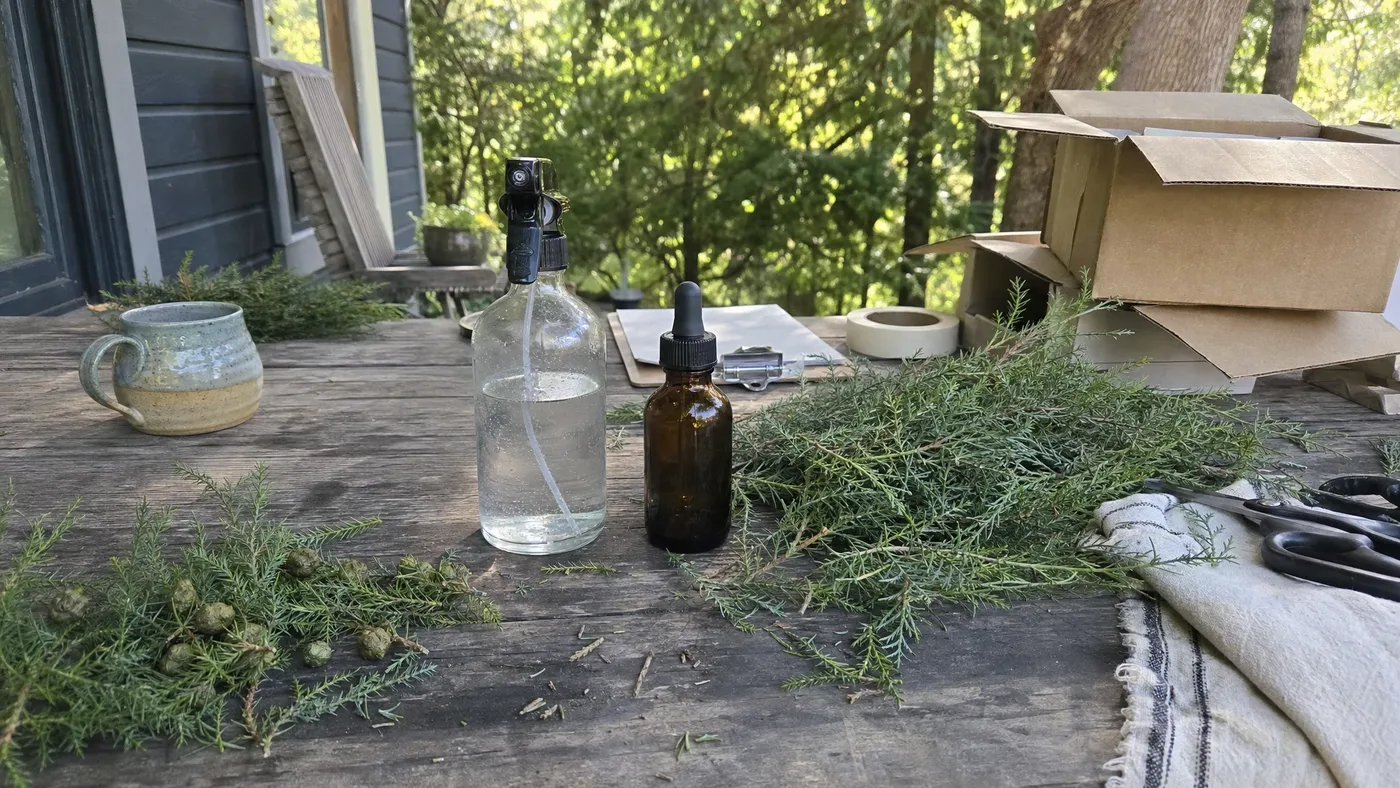
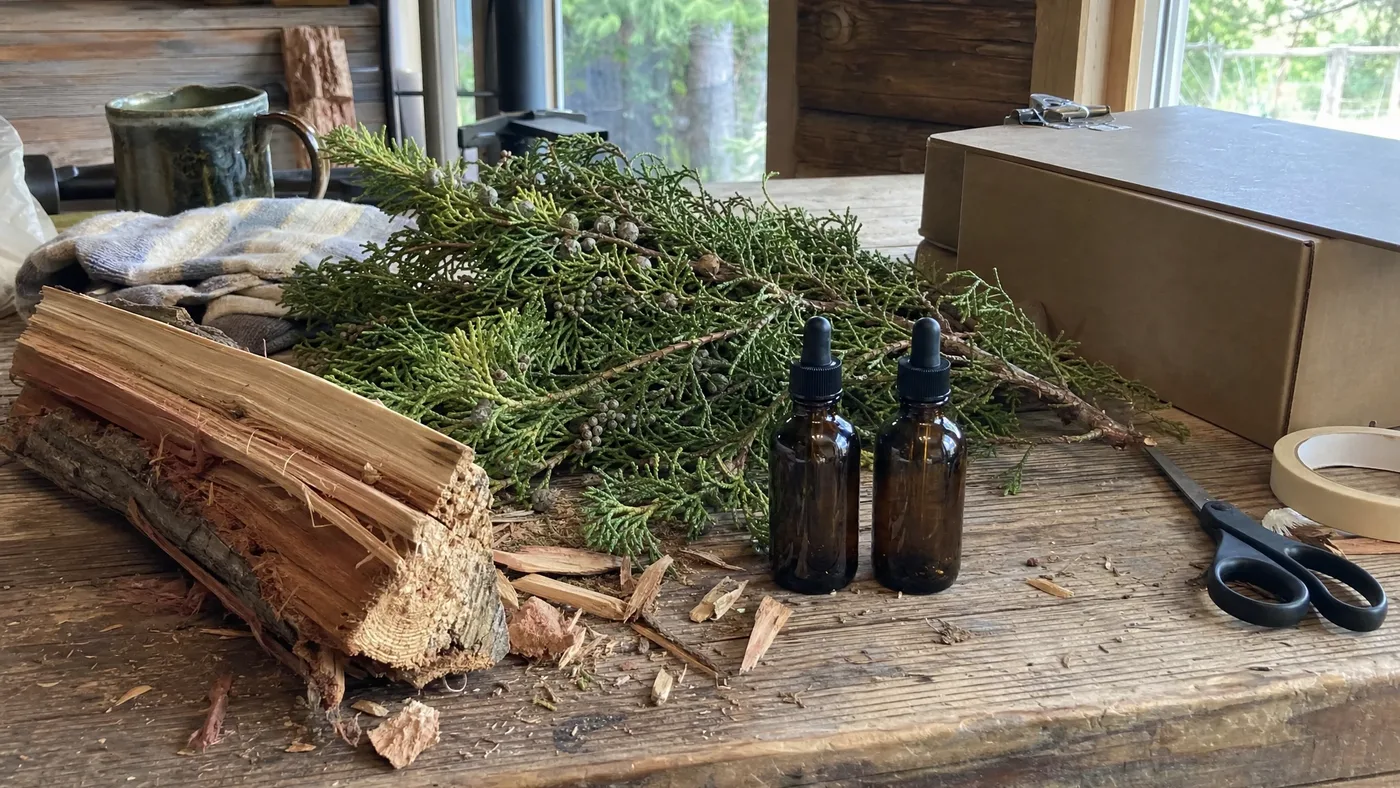
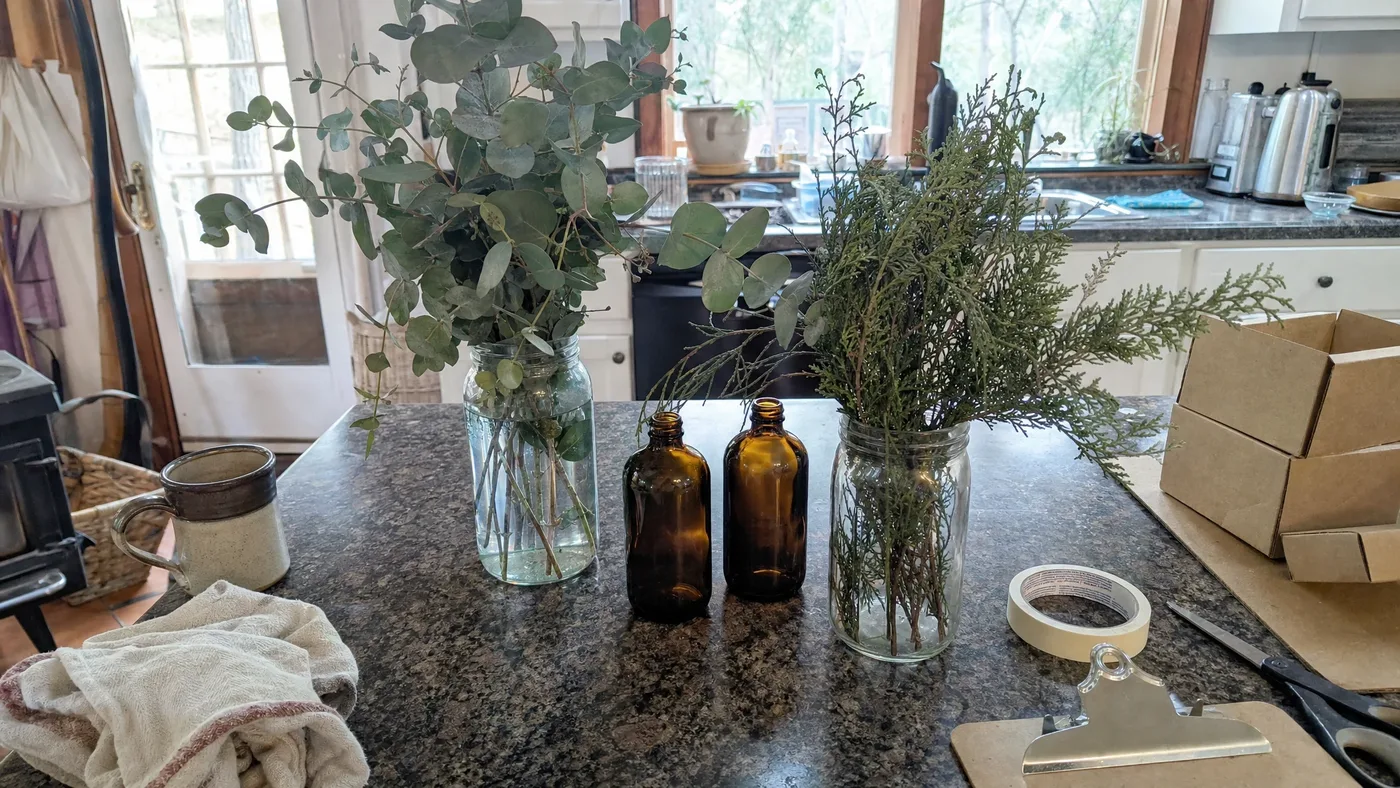
Ask for "cypress oil" and you might be handed a bottle from either side of the world. The oil we sell is Cupressus sempervirens, the Mediterranean cypress, steam-distilled from the green growth of the tree. Blue cypress is Callitris intratropica, an Australian tree in a different genus, and its oil is a different thing altogether.
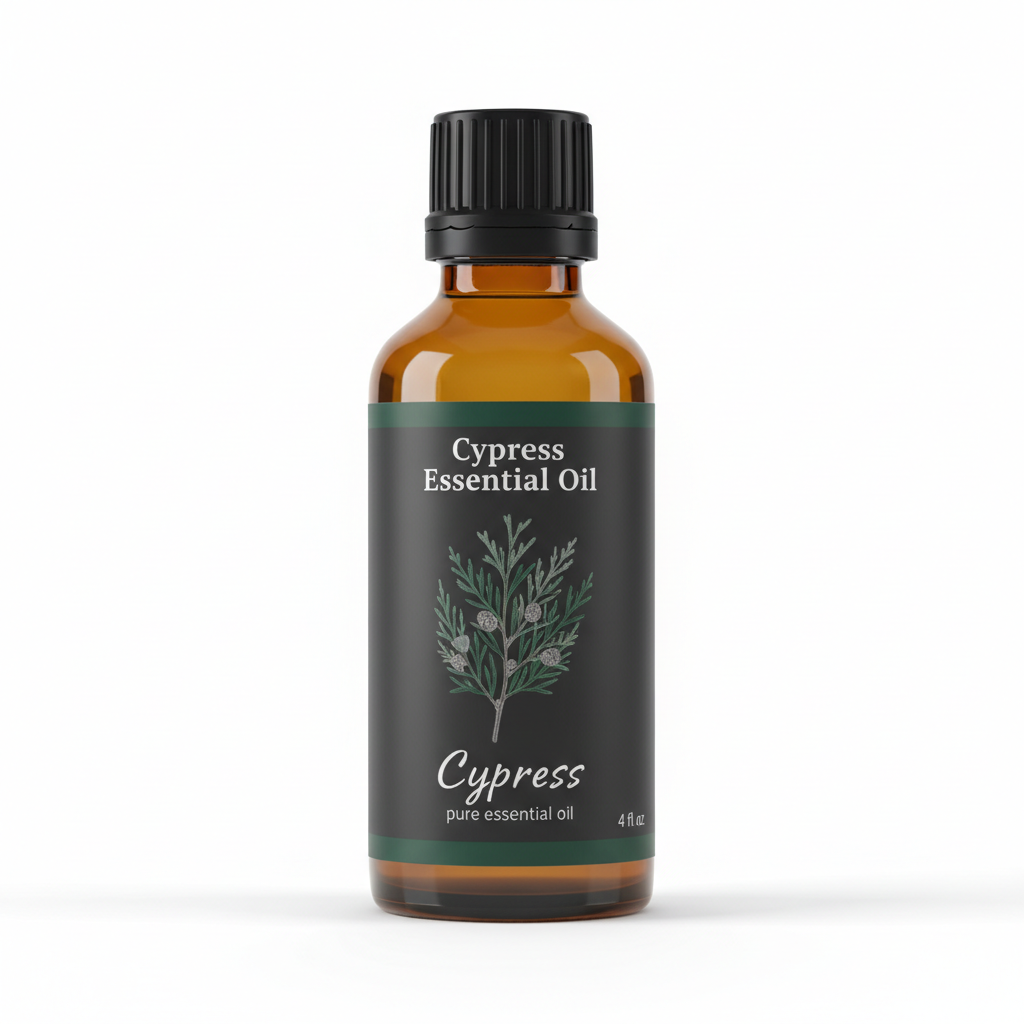
Cypress Essential Oil
Our own Cypress Essential Oil, in sizes from 0.5 oz to bulk.
From $10.99
Shop Now →Two names to remember
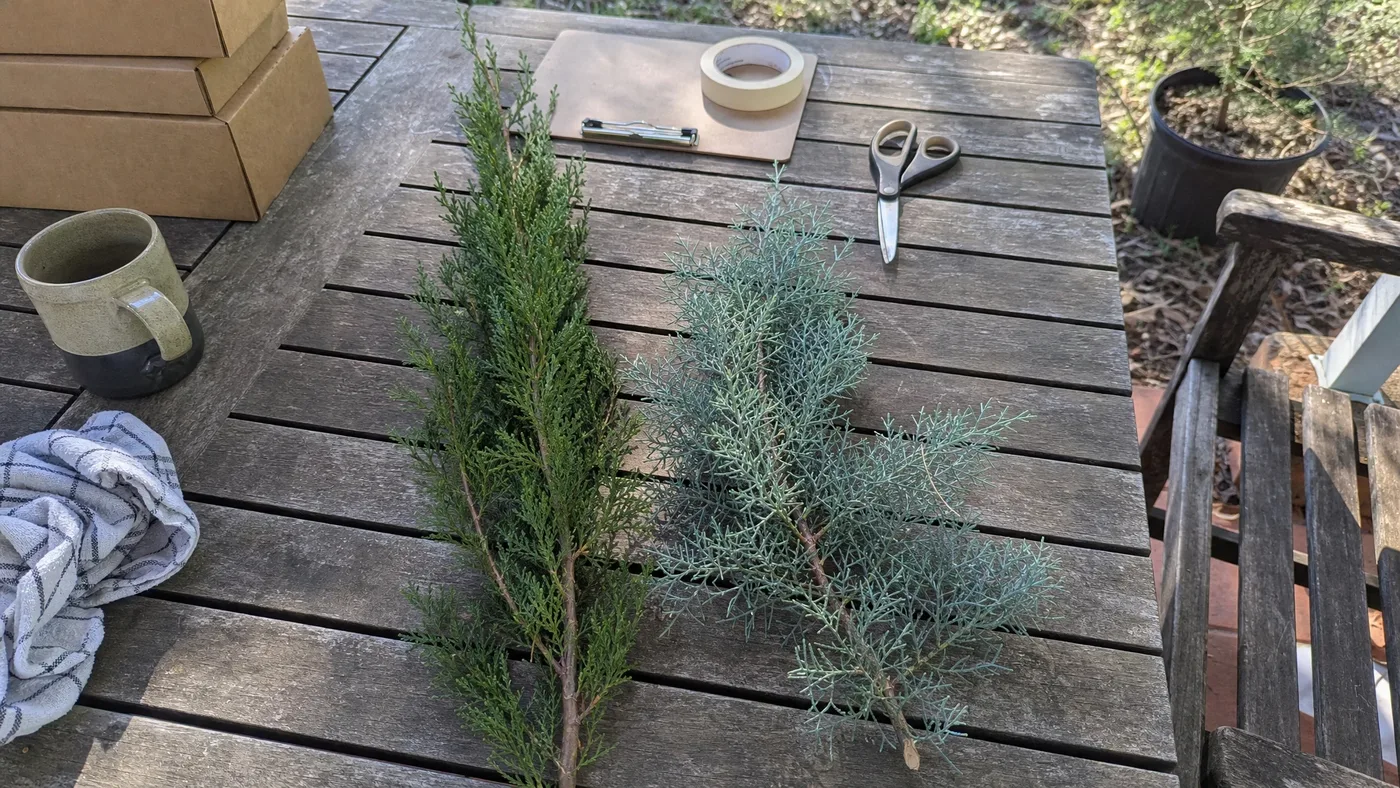
Cupressus sempervirens is the tall, slender evergreen of Mediterranean landscapes. Callitris intratropica is Australian blue cypress, which is where the blue oil comes from. We sell the first. Because the genus differs, a listing that says only "cypress" can mean either, and neither is a variant of the other. If a recipe calls for cypress, the Latin name settles it. Our guide to the types of cypress oil also covers hinoki.
Open the bottle and compare
The easiest way to feel the difference is to smell the two oils side by side on paper strips, one strip for each. Hold them a hand's width from your nose rather than pressing them to it, and come back after a minute, then again after half an hour. Our oil opens fresh and green, turns drier as the minutes pass and ends resinous. Whatever the other oil does, you will notice it follows its own path, and that path is the real answer to "are they the same thing?"
It is worth doing even if you only ever plan to use one of them. A scent you have actually met is much easier to recognize later, and it makes you less likely to order a bottle on the strength of a pretty name.
What the published analyses show
You can see the difference in the chemistry. An analysis of Mediterranean cypress oil found alpha-pinene (48.6%) and delta-3-carene (22.1%) leading, with limonene and terpinolene behind: light, fresh monoterpenes. A study of blue cypress wood oil, reported in a conference abstract, found guaiol (roughly 17 to 21%) and dihydrocolumellarin (roughly 12 to 20%) at the top, which are heavier molecules. These were different samples, so read the numbers as examples rather than specifications.
It also matters that even Mediterranean cypress is not one fixed thing. Oil from aerial parts of Egyptian trees was dominated by cedrol (74%) with little alpha-pinene (4.6%), and Robert Tisserand notes that cypress oil is quite varied in composition depending on how much leaf and cone goes in the still. For a deeper look, see our piece on the main molecules.
What that means in practice
Reasoning from the chemistry, a light leaf-and-twig oil and a heavy wood oil will behave differently in a blend: lighter materials leave a blotter sooner, heavier ones tend to stay. That is inference, not a side-by-side test. For scent, the Mediterranean oil is the one we can describe: clean, green and coniferous, fresh and smoky-green, drier than most pines, resinous at the end. For blue cypress, smell it from a reputable seller before you commit, since we do not offer it.
Reading a listing
When you are shopping for any cypress oil, a few details on the page tell you a great deal:
- The Latin name. If a listing says only "cypress" or "blue cypress" and never gives a botanical name, treat that as a gap to fill before you order.
- The plant part. Leaf, twig, cone and wood give noticeably different oils, so a seller who names the part is a seller who knows the product.
- A batch report. If you care about the compounds in a particular lot, ask for the report for that lot, in writing, before relying on it.
None of that is complicated, and all of it takes a minute. It is also the kind of question we are happy to be asked about our own oil.
Why the name trips people up
Common names are a friendly shortcut, and they are also how a lot of confusion starts. "Cypress" has been attached to trees on several continents, and "blue" is a colour people associate with cool, appealing things, so it does well on a label. None of that tells you what is in the bottle. The Latin name does, which is why we keep coming back to it. Think of it like asking for "a rose" at a nursery: you will get something lovely, but not necessarily what your garden plan had in mind.
If you buy for a shared project, a household or a small business, put the Latin name on the shopping list as well. It saves a surprising number of mix-ups, especially when different people place the orders.
How to choose
If you want a fresh, dry evergreen note for a diffuser, a splash or a soap, the Mediterranean oil is the one to reach for, and our scent profile shows what to expect. If a recipe specifies blue cypress, follow it, and if you are looking for a stand-in for either, our substitutes guide and the origin comparison are good next stops. If you need compound data for a lot of our cypress, ask us through the contact page.
A note from us
We would rather you leave with the right oil for your project than the one with the nicer-sounding name. If your recipe is built around a woody Australian oil, go and find that oil. If it calls for the crisp evergreen of the Mediterranean tree, that is the one we put in the bottle. Either way, write the Latin name on your own label when you decant or blend, because six months from now you will not remember which "cypress" you meant.
A shared common name is a good reason to read the Latin one.
Cypress Essential Oil
Cypress Essential Oil from our own shop, in sizes from 0.5 oz to bulk.
From $10.99
Shop Now →Sources & Further Reading
- Selim et al. 2014, BMC Complementary and Alternative Medicine 14: composition of Cupressus sempervirens oil
- Ibrahim et al. 2017, Iranian Journal of Pharmaceutical Research 16(1): essential oils of coniferous plants cultivated in Egypt
- Chemical composition and biological activity of Callitris intratropica oil, Planta Medica 2010 conference abstract (Southern Cross University)
- Tisserand Institute: Cypress oil as a deodorant