Cypress vs Pine vs Fir Oil: Which Evergreen Is Yours?
Ask ten people what pine smells like and most will describe a bottle of floor cleaner. The real thing is greener, sharper and more varied than that, and the same goes for fir and cypress. If you are choosing an evergreen oil, the useful question is not which tree is best but which kind of forest you want in the room.
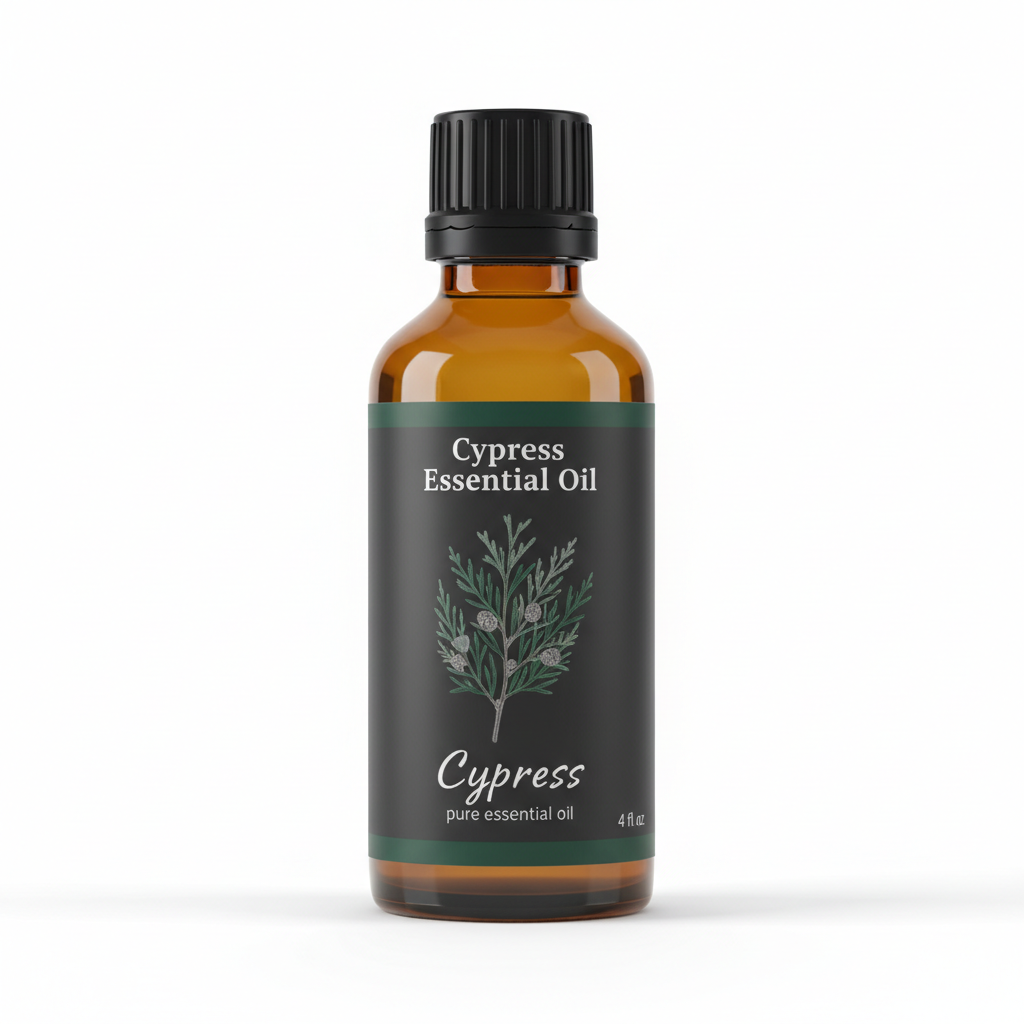
Cypress Essential Oil
Our own Cypress Essential Oil, in sizes from 0.5 oz to bulk.
From $10.99
Shop Now →Three evergreens, three kinds of air
Cypress is the dry one. Our oil is Cupressus sempervirens, steam-distilled from the green growth of the tree, and we describe the scent as fresh and smoky-green, drier and more refined than common pine oils, finishing resinous. It does not shout, which is why it works so well as a supporting note.
Pine is usually the brightest and most resinous of the three. The Scots pine (Pinus sylvestris) is a familiar source, and a 2026 chemical study of its oil found alpha-pinene as the major compound. That pinene is a big part of the sappy, crisp, forest-floor brightness that people associate with pine.
Fir is where it gets interesting, because "fir" covers many trees. In a 2026 study of Moroccan fir (Abies marocana) oil, the leading compounds were limonene at about 38%, alpha-pinene at about 21%, beta-pinene at about 13% and camphene at about 11%. A limonene-led fir will smell different from a pinene-led one, and different again from the sweet balsam fir many people picture. Which fir is in the bottle matters, so the Latin name is worth reading.
What that means at the diffuser
You do not need the chemistry to use this. A few practical impressions follow from it:
- Pine carries a room quickly. A little goes far, and it can crowd out a subtle blend.
- Fir tends to be the rounder, more festive one, though how sweet depends on the species.
- Cypress keeps its manners. It stays in the middle of a blend and lets citrus, florals or resins take the lead.
All three share alpha-pinene, which is why they feel related. In one analysis of C. sempervirens oil it was about 49% of the total, with delta-3-carene near 22%. Those proportions are a snapshot, since cypress composition shifts with the material that is distilled. What stays steady is the character: clean, dry and green.
Picture the room
The easiest way to choose is to picture where you will use the scent. A hallway or entryway wants something that says hello without lingering, and cypress does that nicely. A living room at the holidays may want the rounder, cozier feel of a fir. A workshop, a mudroom or a cabin kitchen might enjoy the bright, direct punch of pine. The trees are not rivals so much as different seats at the same table, and the right one depends on who is sitting down.
A simple way to choose
If you want a cozy, tree-lot feeling, a fir from another supplier is probably the right call, and we would say so. If you want something quiet and tidy that you can blend with almost anything, that is where cypress comes in. For a more brightly resinous room, pine is your oil. Our forest diffuser blends show how people combine them, and the cypress scent profile describes ours in more detail.
Bringing home a sample set
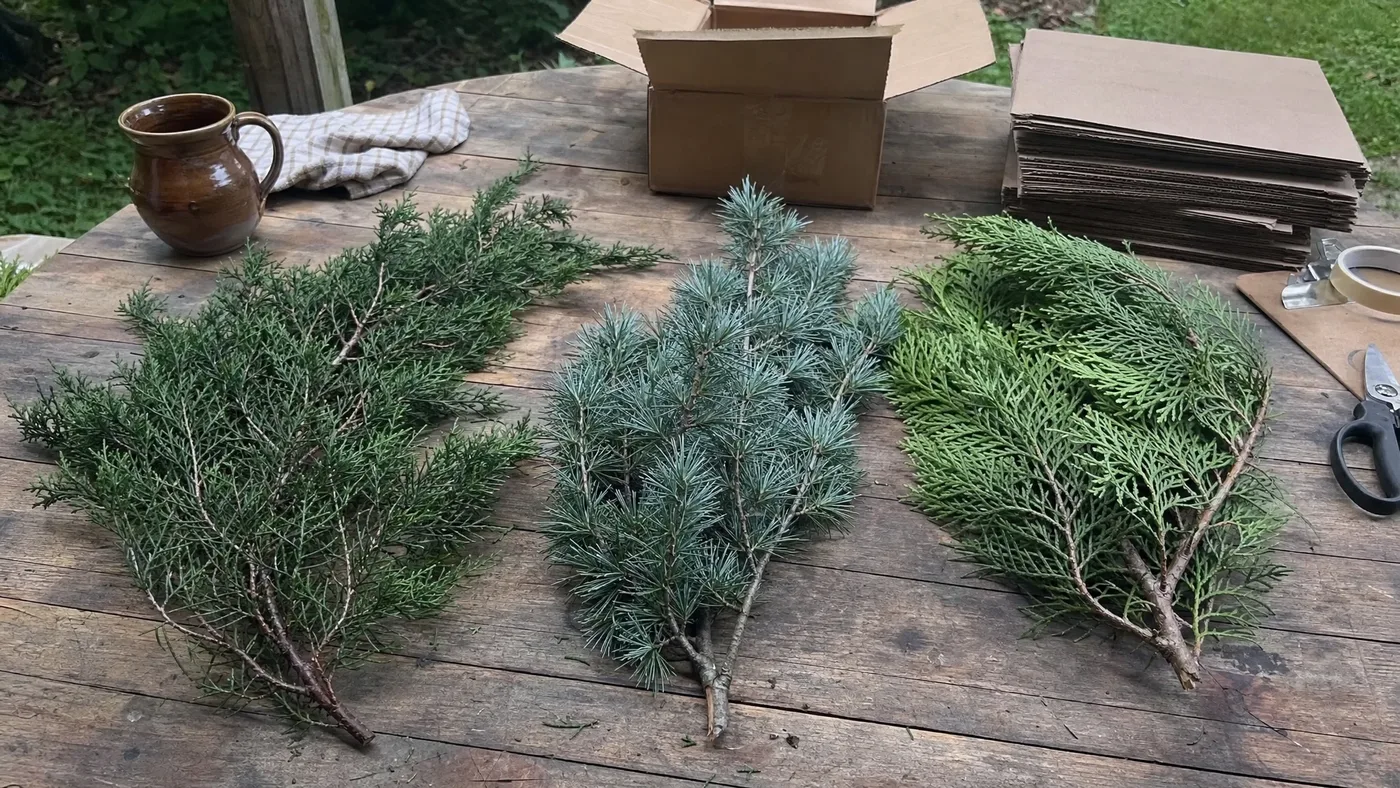
If you can, collect small bottles of all three and keep them together. Take a strip each and fan them out on a table. Give yourself a week of sniffing now and again, in the morning and in the evening, and notice which one your hand goes to without thinking. Trust that reflex over any description, including ours. Our cypress is in the shop, and for larger amounts see our bulk page and our guide to buying cypress oil in bulk.
Because conifer oils are rich in pinene, they are best kept in a cool, dark place with the cap on tight, and our guide to storing cypress oil applies to all three. For skin, our dilution guidance for cypress is 0.5% to 2% in a carrier oil, with a patch test first. The oils are for external, cosmetic use.
A word on blending them
Evergreens get along well with each other, but a blend of three can turn muddy fast. If you want to try one, let a single oil lead and treat the others as seasoning: a few drops of the leader, one drop of a second, and a whisper of the third. Taste with your nose at each step and stop while it still has some air in it.
Storing a small evergreen shelf
If you end up with all three, keep them together in one dark, cool spot and label each cap with the tree's name. They look alike in their bottles, and a mix-up halfway through a recipe is annoying. Open one at a time, close each fully before reaching for the next, and your shelf will smell like a forest only when you want it to.
Smell all three on separate strips if you can, with a few minutes between each, and your nose will usually pick a favorite before you finish.
Cypress Essential Oil
Cypress Essential Oil from our own shop, in sizes from 0.5 oz to bulk.
From $10.99
Shop Now →Sources & Further Reading
- El Bakkali et al. Composition and antioxidant activity of Abies marocana essential oil. Sci Rep 2026. PubMed 41629471
- Pachura-Hanusek et al. Chemical Characterization and Rumen-Modulating Effects of Pinus sylvestris Essential Oil: In Vitro and In Vivo Study. Molecules 2026. PubMed 42197322
- Selim SA et al. Chemical composition, antimicrobial and antibiofilm activity of the essential oil and methanol extract of the Mediterranean cypress (Cupressus sempervirens L.). BMC Complement Altern Med 2014. PubMed 24890383