How to Store Cypress Oil So the Green Scent Stays Fresh
Smell a fresh bottle of cypress oil and you get that clean, dry, green evergreen note straight away. Smell one that has sat on a sunny shelf for a couple of years and the green turns sharp and flat, a bit like turpentine. The difference comes down to oxygen, and a few small habits keep it at bay.
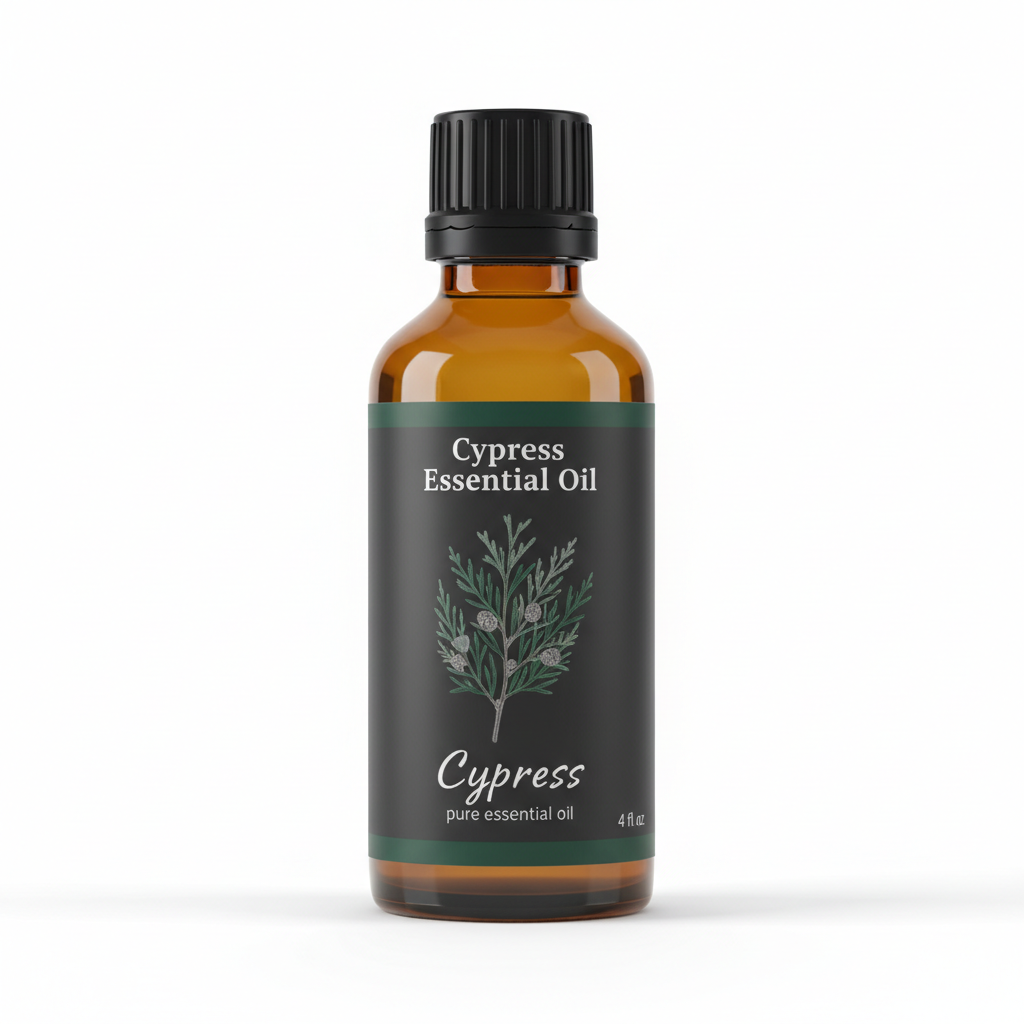
Cypress Essential Oil
Our own Cypress Essential Oil, in sizes from 0.5 oz to bulk.
From $10.99
Shop Now →Why conifer oils fade
Cypress oil is made mostly of light monoterpenes, with alpha-pinene leading and delta-3-carene close behind in published analyses (Selim et al., 2014). These molecules carry reactive double bonds that combine readily with oxygen. Heat, light and air all speed that along, and nothing in the bottle slows it down. That is why Hana Tisserand of the Tisserand Institute groups conifers and citrus oils among the quickest to oxidize, and says that even kept in the refrigerator they can be at the limit of usability after about two years. Heavier oils such as vetiver, sandalwood and patchouli change much more slowly.
It matters beyond scent. The same source notes that oxidized oils are not only less pleasing but can carry a higher risk of adverse reaction. So storage is partly about keeping the aroma lovely and partly about keeping the oil comfortable to use on skin.
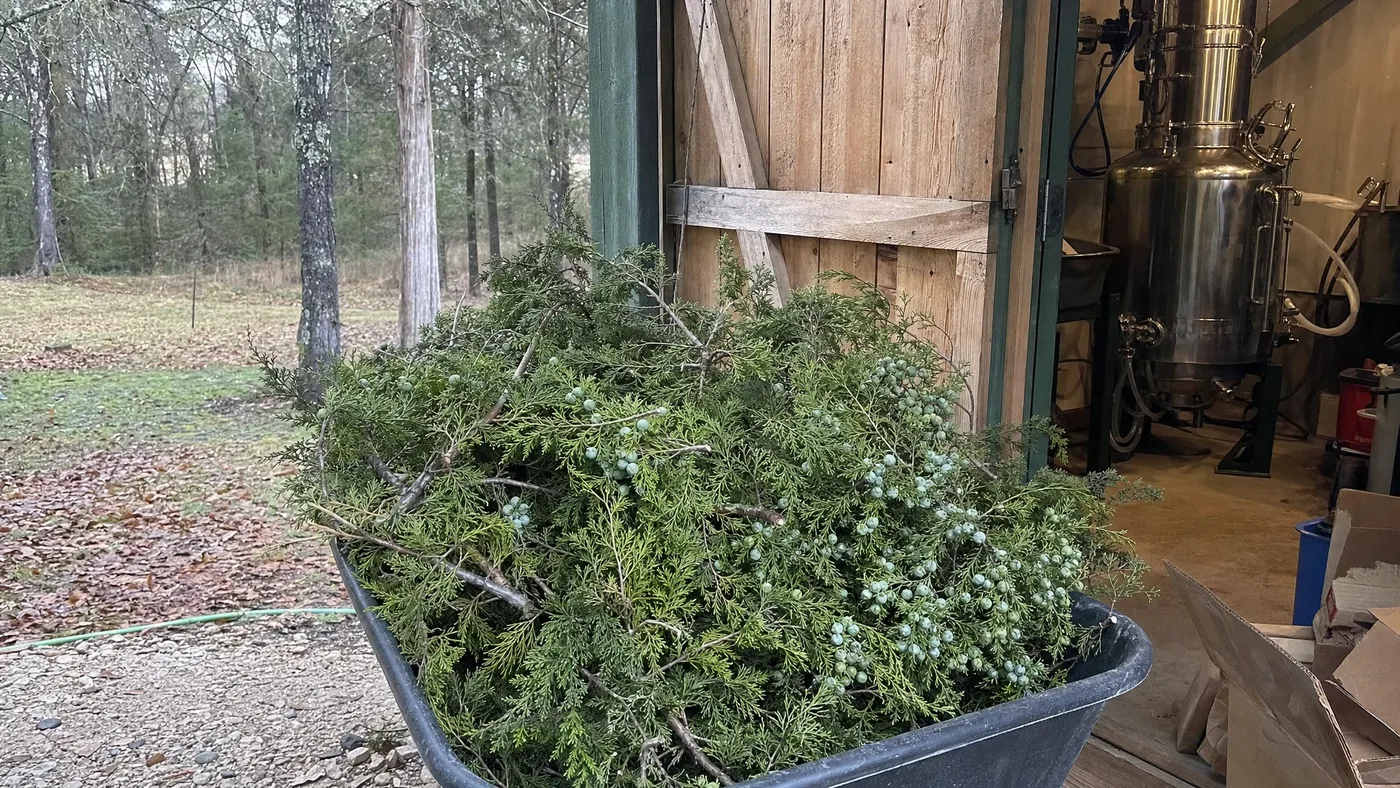
Our own Harvest page makes the same point in plain terms, that conifer oils turn faster than woods or resins, and it is why we recommend keeping the cap tight and the bottle in a cool, dark place away from heat and sunlight. Every size we sell goes out in amber glass, and the label carries the distillation date, fill date and lot so you can keep track of age. The Certificate of Analysis we publish for one batch lists a best-by date of 04/30/2028, and we suggest treating a date like that as a guide for a closed bottle kept well, not a promise about one you have been opening for months.
Air first, then heat, then light
Storage lists usually say "cool, dark, closed" as though all three count equally. In practice, we would put them in this order.
1. Shrink the air gap
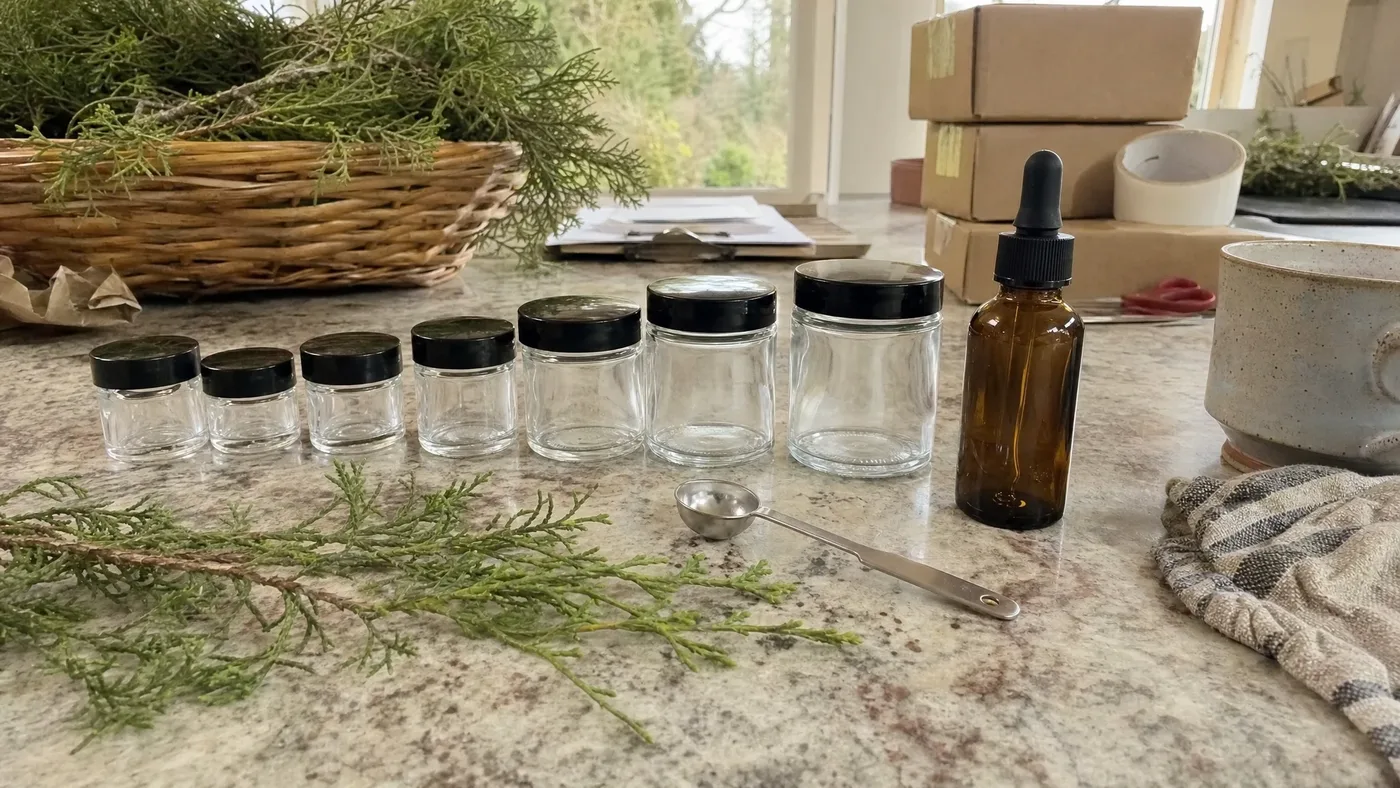
Every time you open a bottle, air goes in, and the emptier the bottle, the more air is waiting above the oil. A full bottle ages slowest. When a bottle is down to about half, you can move the oil to a smaller, clean, dry amber bottle with a tight cap and fill it up to the shoulder. Make sure the new bottle is completely dry, since water left inside will cloud the oil. If you use oil slowly, a smaller bottle to start with gives you less empty space to age in; our size guide helps you match a bottle to how fast you go through it.
2. Keep it cool
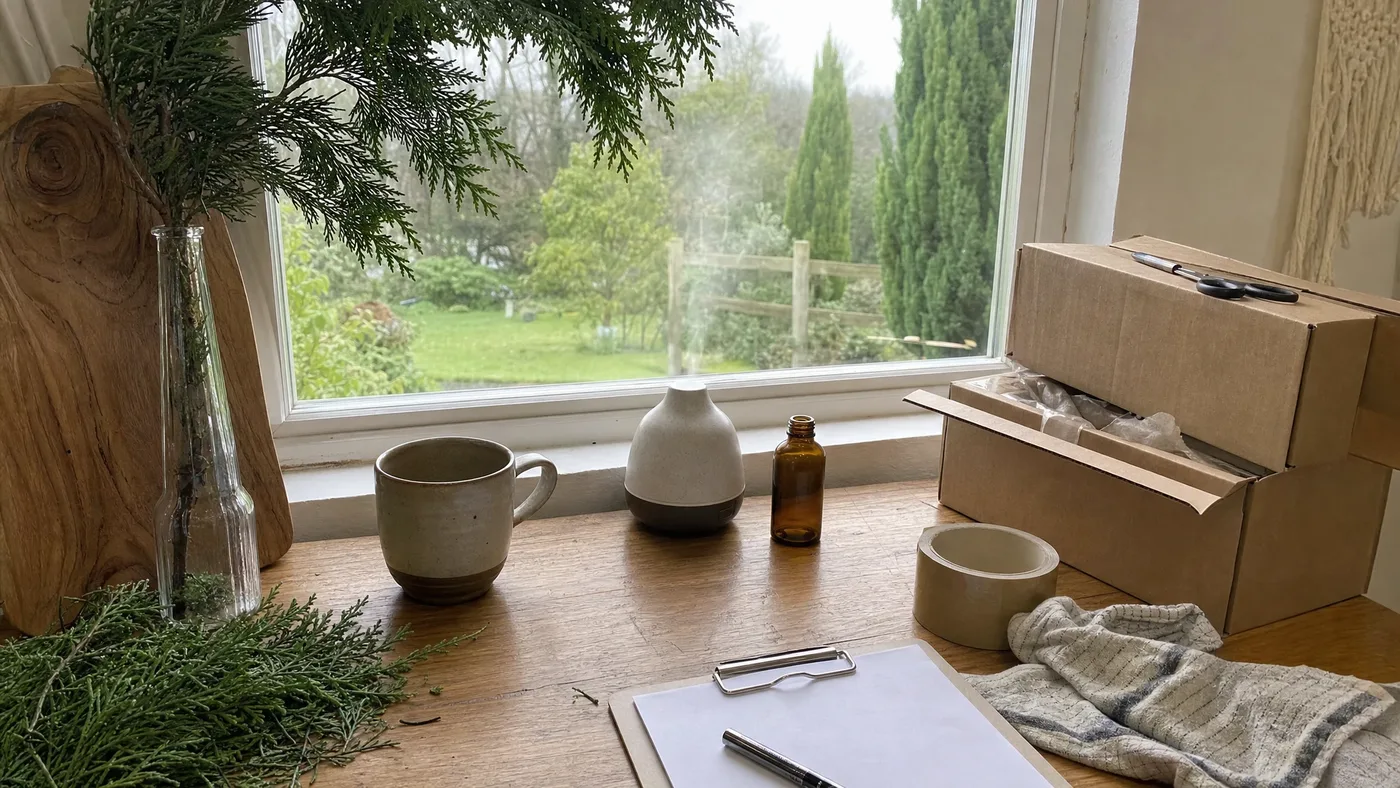
The windowsill, the shelf above a radiator, the counter by the stove, a parked car and the bathroom are all spots that quietly warm a bottle. An interior cupboard is a good everyday home. If you open the bottle only now and then, the refrigerator is a sensible choice, as Tisserand suggests. Store it on an interior shelf rather than the door, perhaps inside a small lidded jar, and let it come to room temperature before opening so condensation does not get in.
3. Keep it out of light
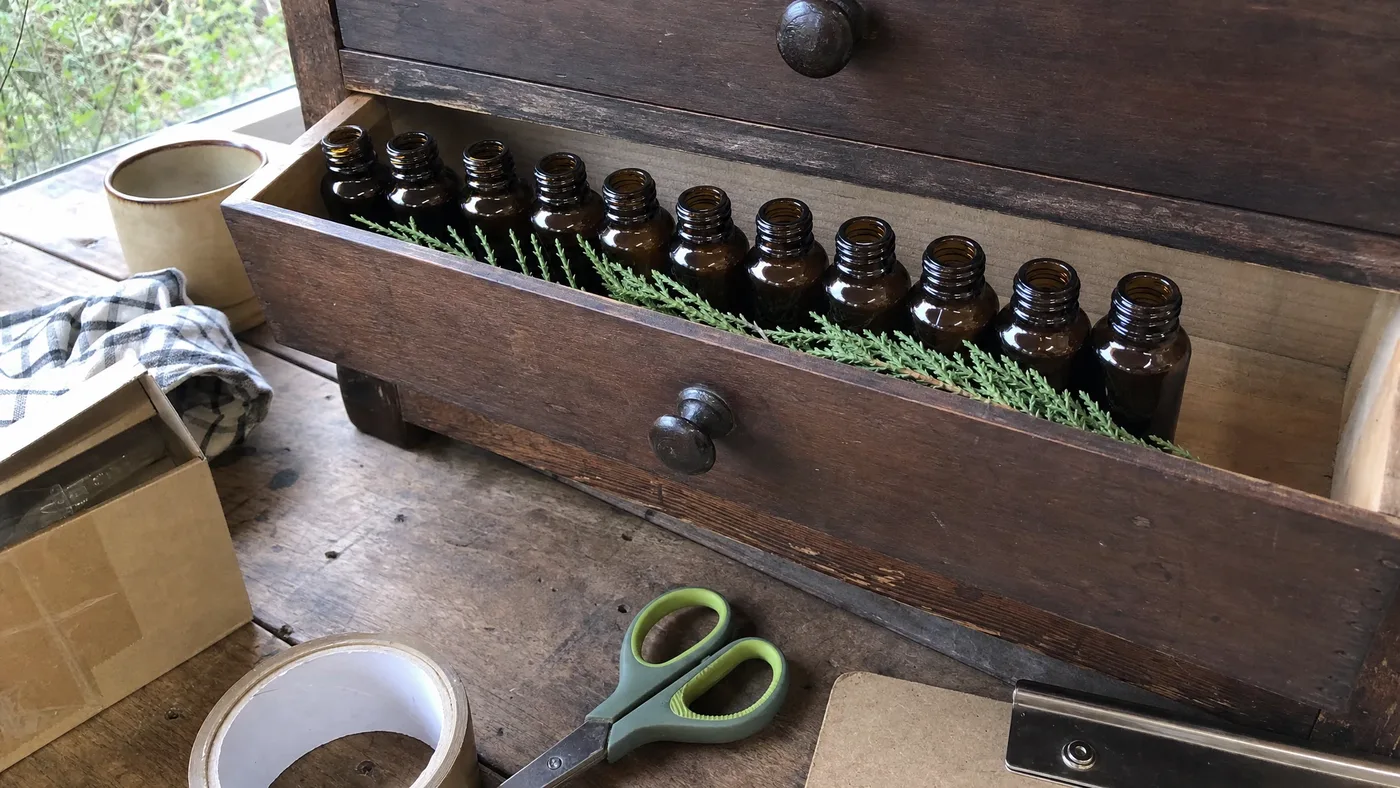
Amber glass filters much of the light that can start these reactions, but it does not stop a sunny shelf from warming the bottle. A drawer or a small opaque box adds a second layer of protection.
4. Keep the cap on
Have your blotter strip, carrier oil and tools ready before you unscrew anything, so the bottle is open for moments rather than minutes. Wipe the threads clean so the cap seals properly, and never pour used oil back in. A rubber-bulb dropper is fine for a minute of measuring but is not a long-term closure.
Trust your nose
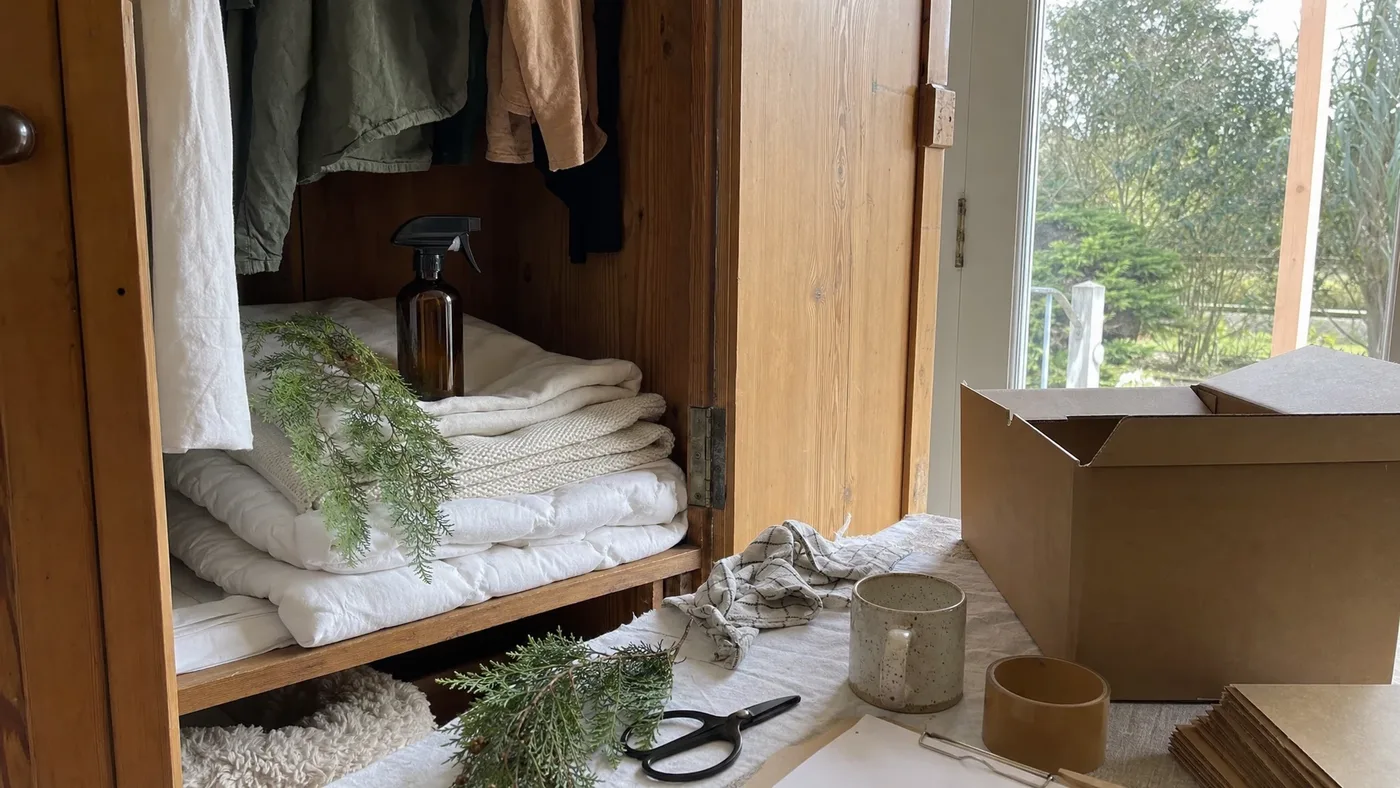
A date helps, but your nose is the better judge. Fresh cypress should smell green, dry and resinous, with a clean evergreen opening and a soft woody base. If the top note has gone sharp or sour, or the whole thing smells flat and harsh, the oil has moved on. Put a drop on a blotter strip and compare it with how you remember the first opening. If you are unsure, it is simple to buy a fresh bottle and keep the older one for scenting purposes such as a cotton pad in a closet. Skin is another matter, and oil that smells off is better left off skin.
Here is a small habit that makes a big difference: choose one spot for your oils and keep them there. A fixed shelf in an interior cupboard means you always know where the bottle is, you do not leave it on a warm counter after using it, and you are not tempted to carry it to a sunny room. Put a pencil and a small label beside it, and you have a tiny system that runs by itself.
Write the opening date on the bottle in marker when you start it. It takes five seconds and saves guessing a year later.
With a little care, a bottle of cypress keeps its character right up until the last drop, which is rather the point of buying a good one. For ideas that use a bottle up while it is at its best, see our blending guide or the room spray recipe.
Cypress Essential Oil
Cypress Essential Oil from our own shop, in sizes from 0.5 oz to bulk.
From $10.99
Shop Now →Sources & Further Reading
- Tisserand H. Keep essential oils cool! Tisserand Institute, including the author's reply to a reader comment dated 19 December 2024. tisserandinstitute.org
- Selim SA et al. (2014). Chemical composition, antimicrobial and antibiofilm activity of the essential oil and methanol extract of the Mediterranean cypress (Cupressus sempervirens L.). BMC Complementary and Alternative Medicine 14. PubMed 24890383