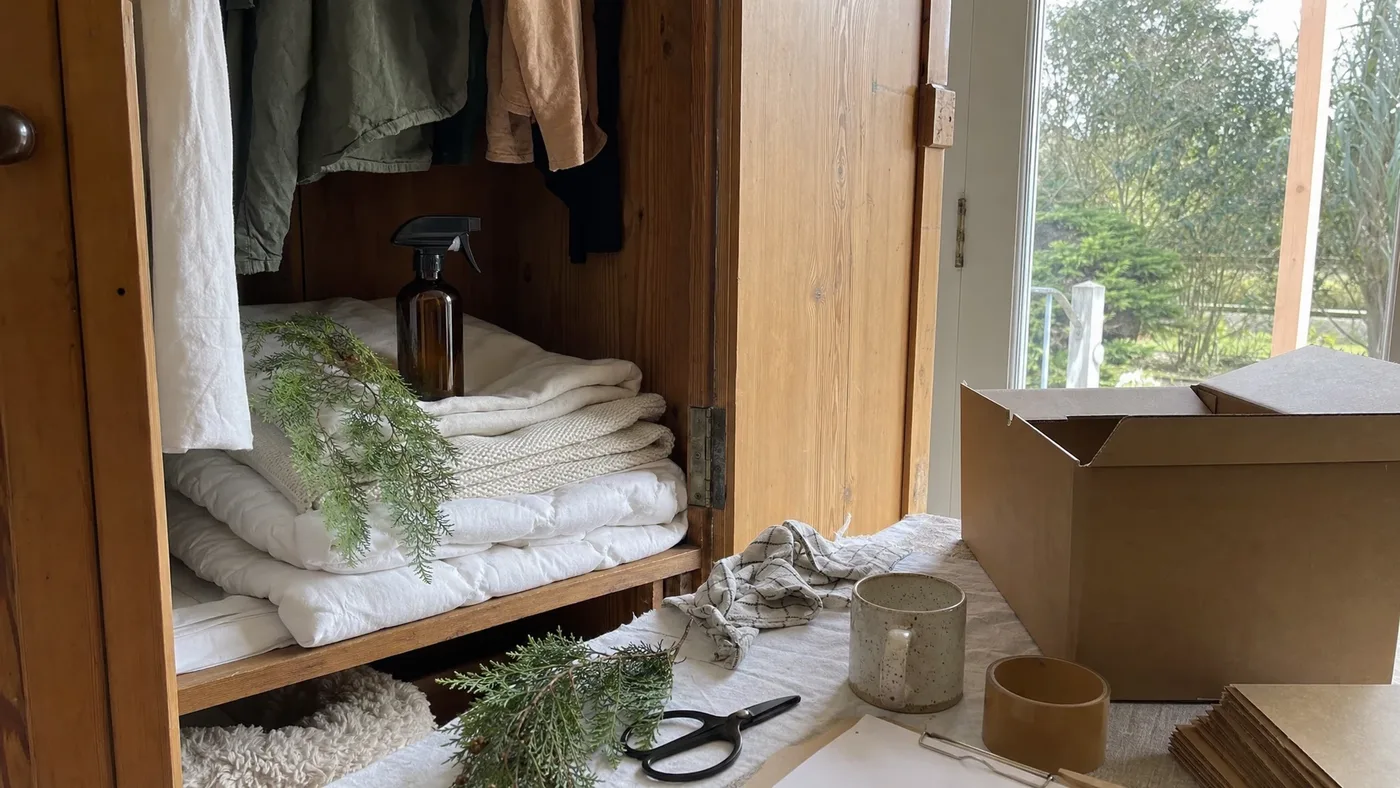
Cypress Linen Spray: A Fresh Closet Mist Recipe
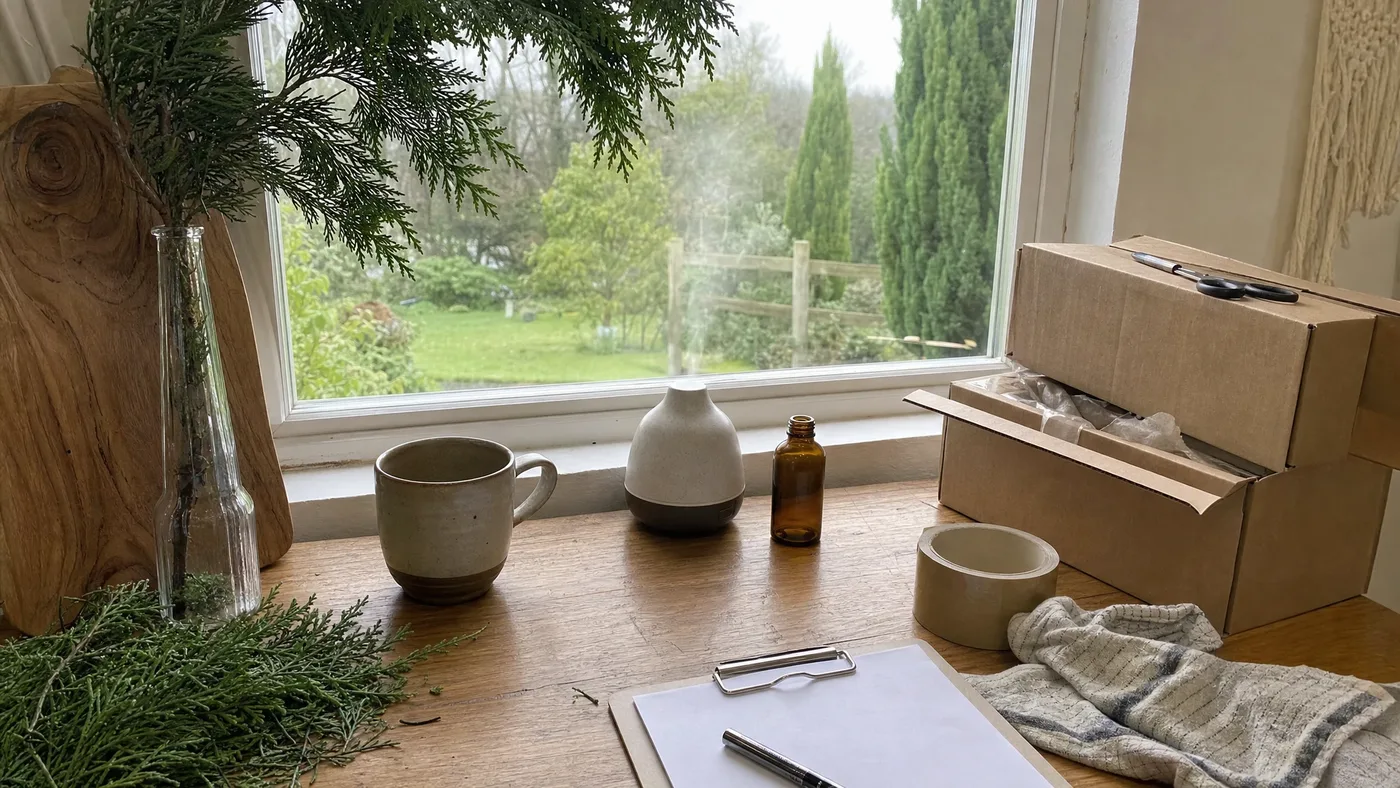
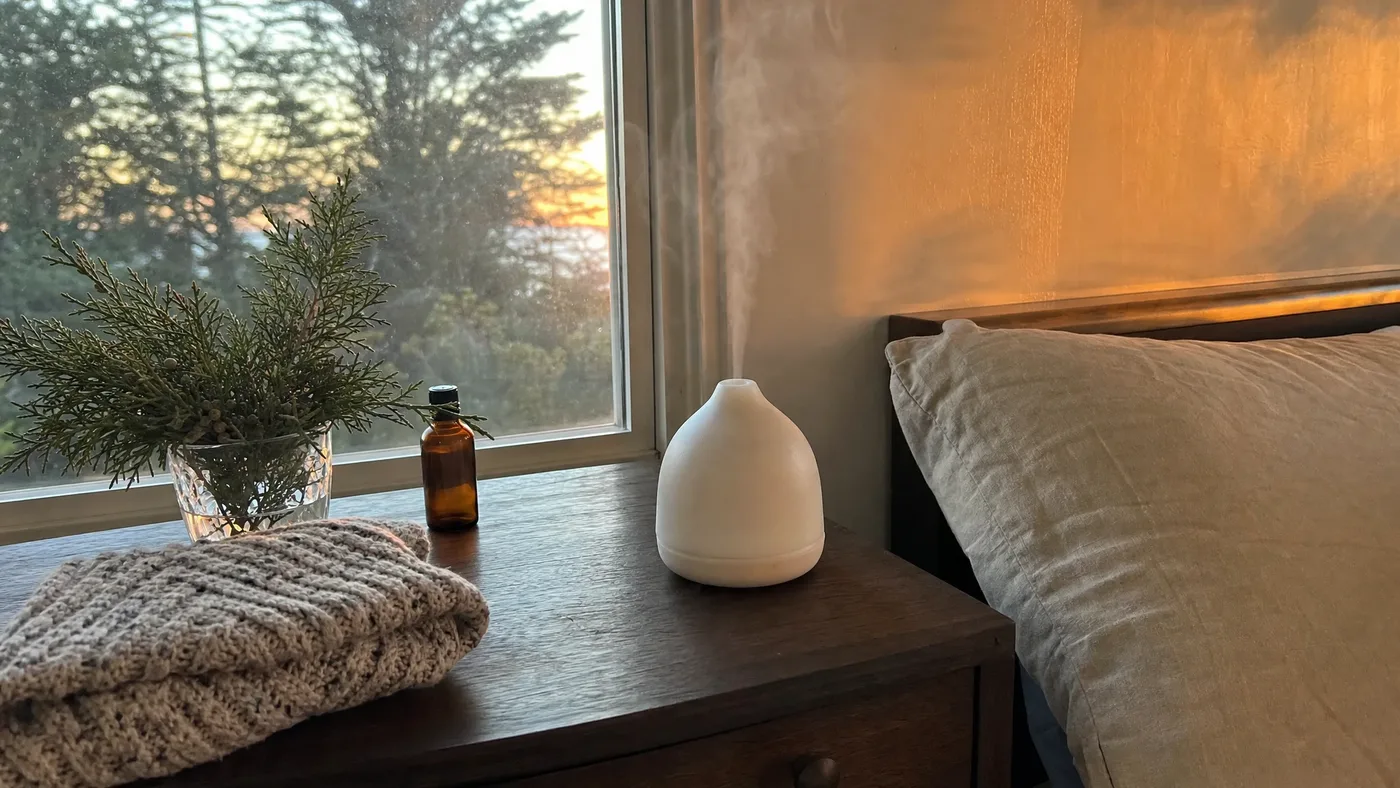
Open a closet door in the middle of winter and the scent you hope for is not sugar or flowers. It is something green and dry, a little like a cold walk under tall trees. Cypress oil does that well, and a light linen and closet spray is one of the simplest ways to put it to work.
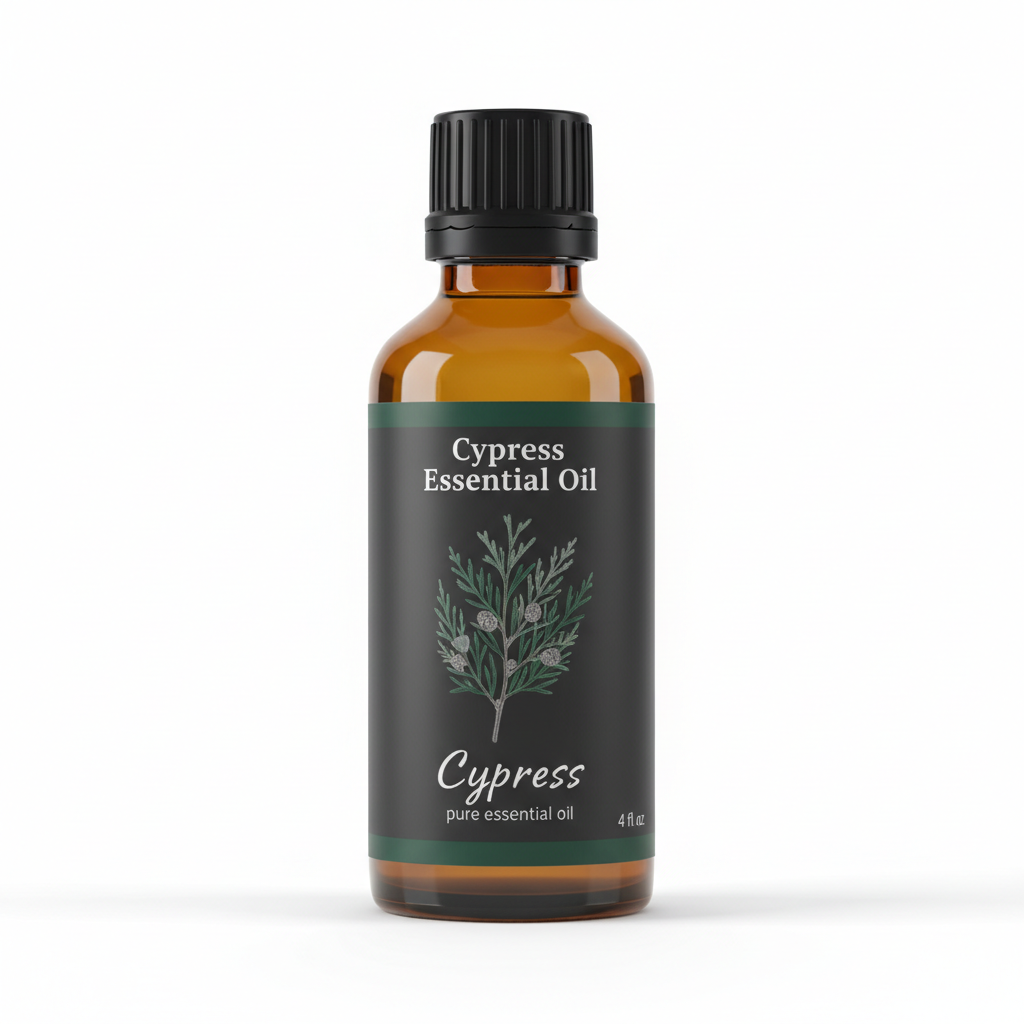
Cypress Essential Oil
Our own Cypress Essential Oil, in sizes from 0.5 oz to bulk.
From $10.99
Shop Now →Start with the right expectation
Most of cypress oil is made of small, quick-moving molecules. In one published analysis of a Cupressus sempervirens oil, alpha-pinene made up nearly half of it and delta-3-carene another fifth, with limonene and terpinolene behind them (Selim et al., 2014). Molecules that light leave fabric quickly, so think of this spray as a fresh breath for a cupboard, something you refresh when you want it, not a scent that stays for weeks. We describe the oil as fresh and smoky-green, drier and more refined than common pine oils, and that dry character is exactly what makes it pleasant against folded cotton and wood shelves.
It is a scent, nothing more. We do not claim it keeps moths or other insects away, and the research we have read on cypress oil and insects was done in sealed lab conditions on other species, at far higher doses than a mist of fabric spray could ever deliver.
Why this recipe has no water
A spray that contains water is a spray that can grow things. A 2014 study in the International Journal of Cosmetic Science varied alcohol level, pH and water activity in cosmetic test formulas and found that no single one of those guaranteed the product stayed preserved. Manufacturers settle the question with a formal challenge test, which is not something you can run on a kitchen counter.
So for linens we skip the water altogether and use strong alcohol alone as the carrier. It also dries fast, which is kind to fabric.
| Component | Per 50 g batch | Share |
|---|---|---|
| Cypress essential oil | 0.25 g (about 6 drops) | 0.5% |
| Perfumer's alcohol or food-grade ethanol, 95% or higher | 49.75 g | 99.5% |
The drop count comes from arithmetic: the Certificate of Analysis we publish for one batch lists a density of 0.864, so 0.25 g is about 0.29 ml, and at the common rule of thumb of 20 drops per ml that is roughly six drops. Drop sizes vary with the bottle, so treat it as a guide. Get the alcohol from a perfumery or soap-supply seller, since we only sell the oil. Combine them in a glass bottle with a fine-mist sprayer, shake gently, write the date on a label and keep the bottle away from heat and light.
Our dilution guidance for skin is 0.5% to 2% in a carrier oil. This spray sits at the bottom of that range, which is where we would stay for anything near bedding. For other formulations, check the current IFRA standards for your own product type.
Where to spray it
- Try a hidden hem first. Alcohol can lift some dyes and oil can leave a ring on delicate cloth. Let the test spot dry fully before you decide. Silk, rayon and dark cotton deserve extra care.
- Scent the space rather than the cloth. A cotton pad, a paper sachet or the inside of a cupboard door gives the aroma without putting oil on fabric that sits against skin. Mist from about 30 cm away and let the alcohol evaporate before you close the door.
- If you do mist bedding, use a light hand and let it dry for an hour or more before anyone lies down. Skip it for anyone whose skin reacts to fragrance.
- Keep flame away. Alcohol and essential oil are both flammable. The one cypress safety data sheet we read in full, from another supplier, lists a flash point of 41 C, which is a reminder to mix and spray away from candles, stoves and cigarettes.
What you will notice
Right after you spray, the alcohol gives a bright, slightly sharp first impression. Wait a minute, and it fades to leave a dry, green evergreen note. Open the cupboard the next morning and you will usually catch a faint trace of it rather than a strong smell, which is exactly the right level for a closet. If you cannot smell it at all after a day, a second light mist will refresh it, and that is the nature of a light conifer scent.
Give the bottle a gentle swirl before each use. Even though there is no water in it, a quick swirl mixes the oil evenly through the alcohol.
Keep it fresh
Conifer oils age faster than woods and resins, because their pinene-rich molecules react with oxygen, and Hana Tisserand of the Tisserand Institute notes that oxidized oils can carry a higher risk of adverse reaction. That is a good reason to make a small bottle at a time and to start from a fresh oil. Our storage guide covers keeping the oil itself in good shape.
As always, our guidance is to keep the oil away from children and pets, and our Harvest page recommends avoiding it in pregnancy as a precaution. If you share your home with a dog, our post on cypress oil and dogs is a good next read, and a veterinarian is the right person to ask about any specific animal. If you would rather scent a whole room, our room spray recipe uses a water and alcohol base, and the dilution chart has the arithmetic for other projects.
Small touches
A few paper sachets or small cotton pads in a drawer, each with a light mist of the spray, are a pleasant way to scent a space without touching the fabric itself. Replace them when the scent has faded, and label the jar so you know when you made the batch.
A closet that smells faintly of evergreens is a small pleasure, and it costs about six drops to find out whether you like it.
Cypress Essential Oil
Cypress Essential Oil from our own shop, in sizes from 0.5 oz to bulk.
From $10.99
Shop Now →Sources & Further Reading
- Selim SA et al. (2014). Chemical composition, antimicrobial and antibiofilm activity of the essential oil and methanol extract of the Mediterranean cypress (Cupressus sempervirens L.). BMC Complementary and Alternative Medicine 14. PubMed 24890383
- Berthele H et al. (2014). Determination of the influence of factors (ethanol, pH and a(w)) on the preservation of cosmetics using experimental design. International Journal of Cosmetic Science 36(1):54-61. PubMed 24117694
- Tisserand H. Keep essential oils cool! Tisserand Institute. tisserandinstitute.org
- Amrita Aromatherapy (2023). Safety Data Sheet, Organic Cypress Essential Oil, version 1.0. amrita.net