What Is Cypress Essential Oil? A Plain Guide
Picture the tall, narrow trees that line Tuscan driveways and hillside cemeteries, dark green and almost pencil-straight. That is the Mediterranean cypress, Cupressus sempervirens, and its green growth is where cypress essential oil comes from. The Latin name means "always green", and it earns it.
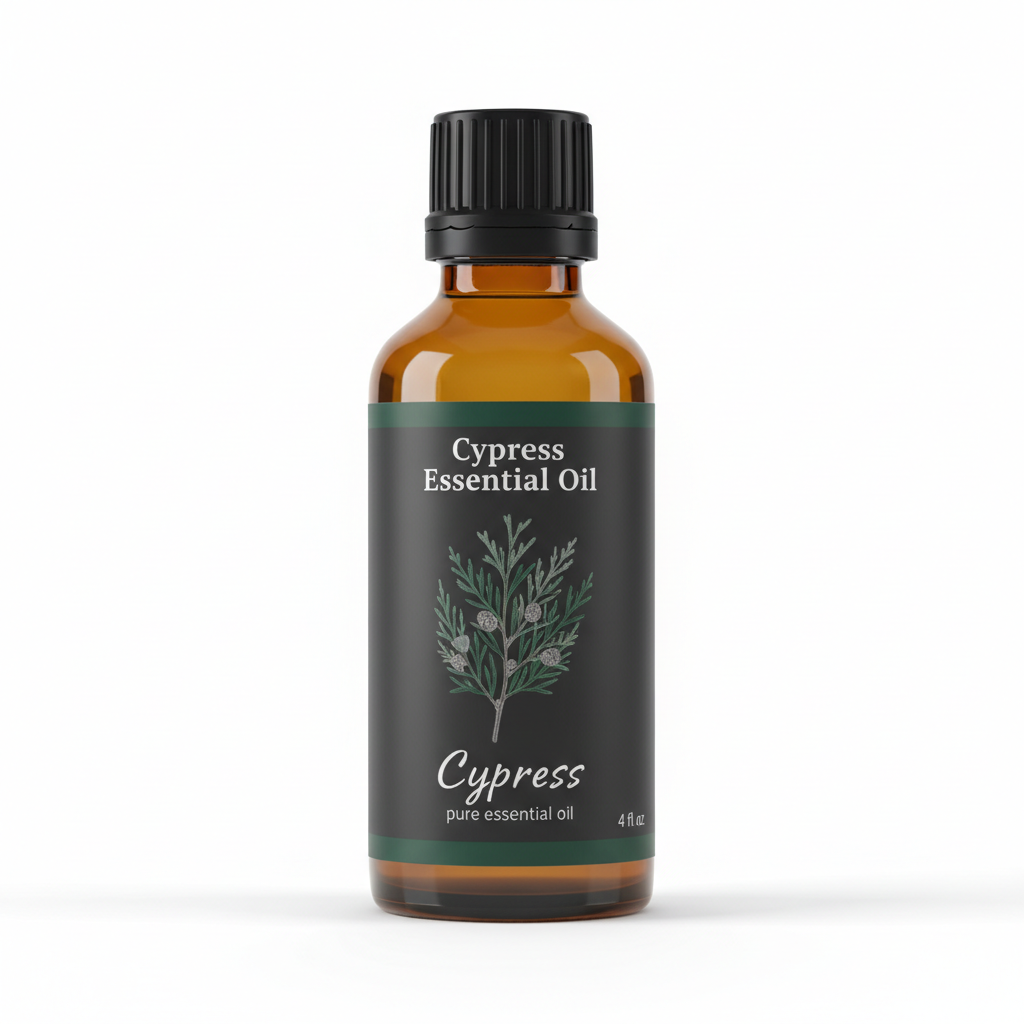
Cypress Essential Oil
Our own Cypress Essential Oil, in sizes from 0.5 oz to bulk.
From $10.99
Shop Now →From foliage to oil
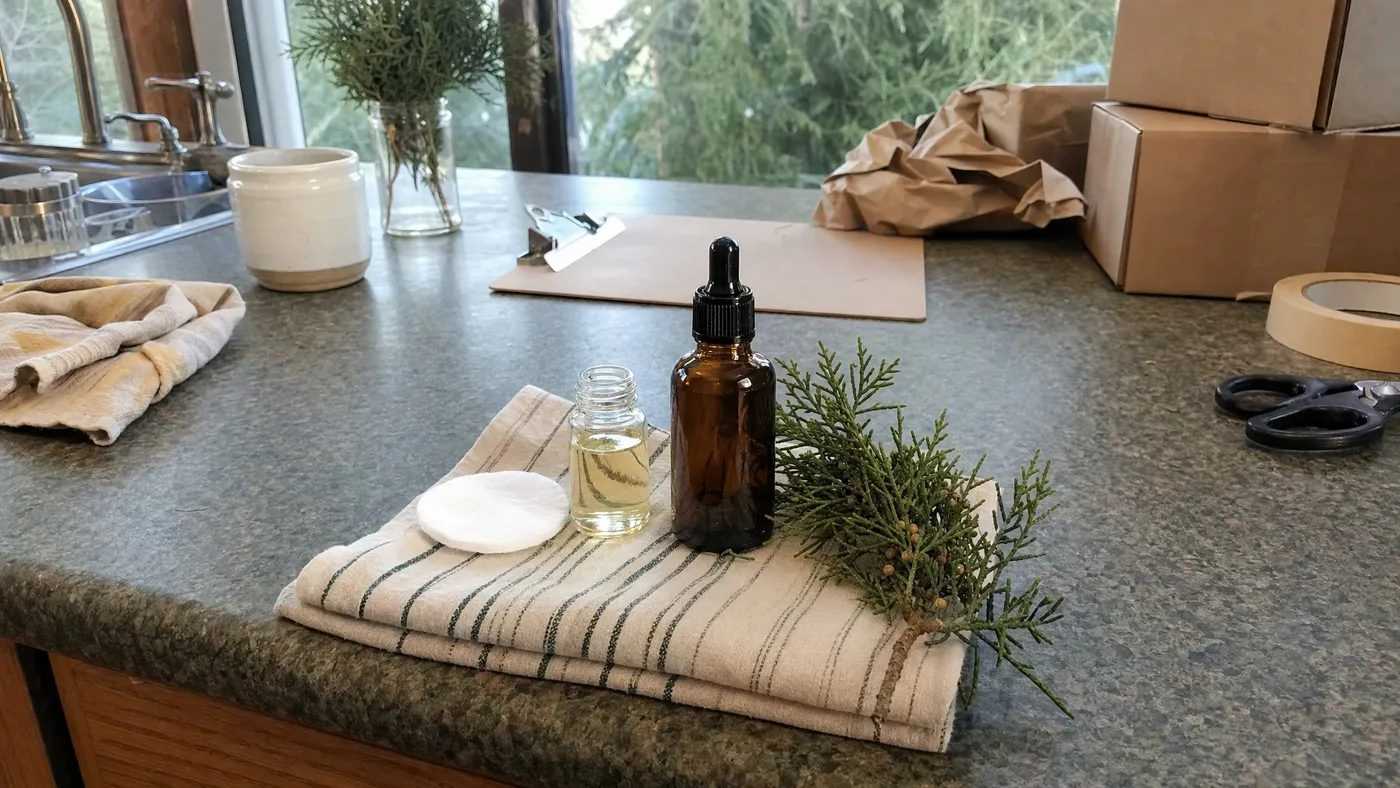
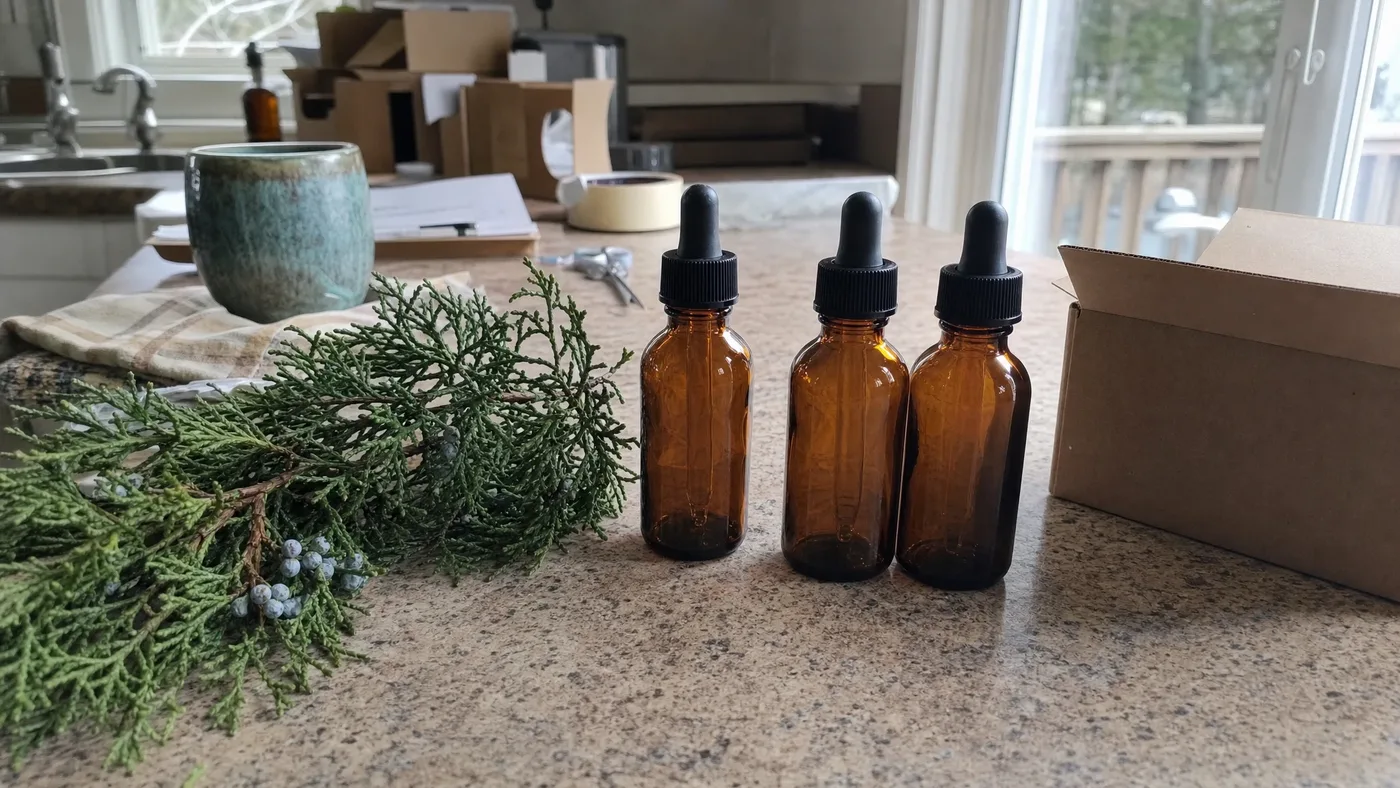
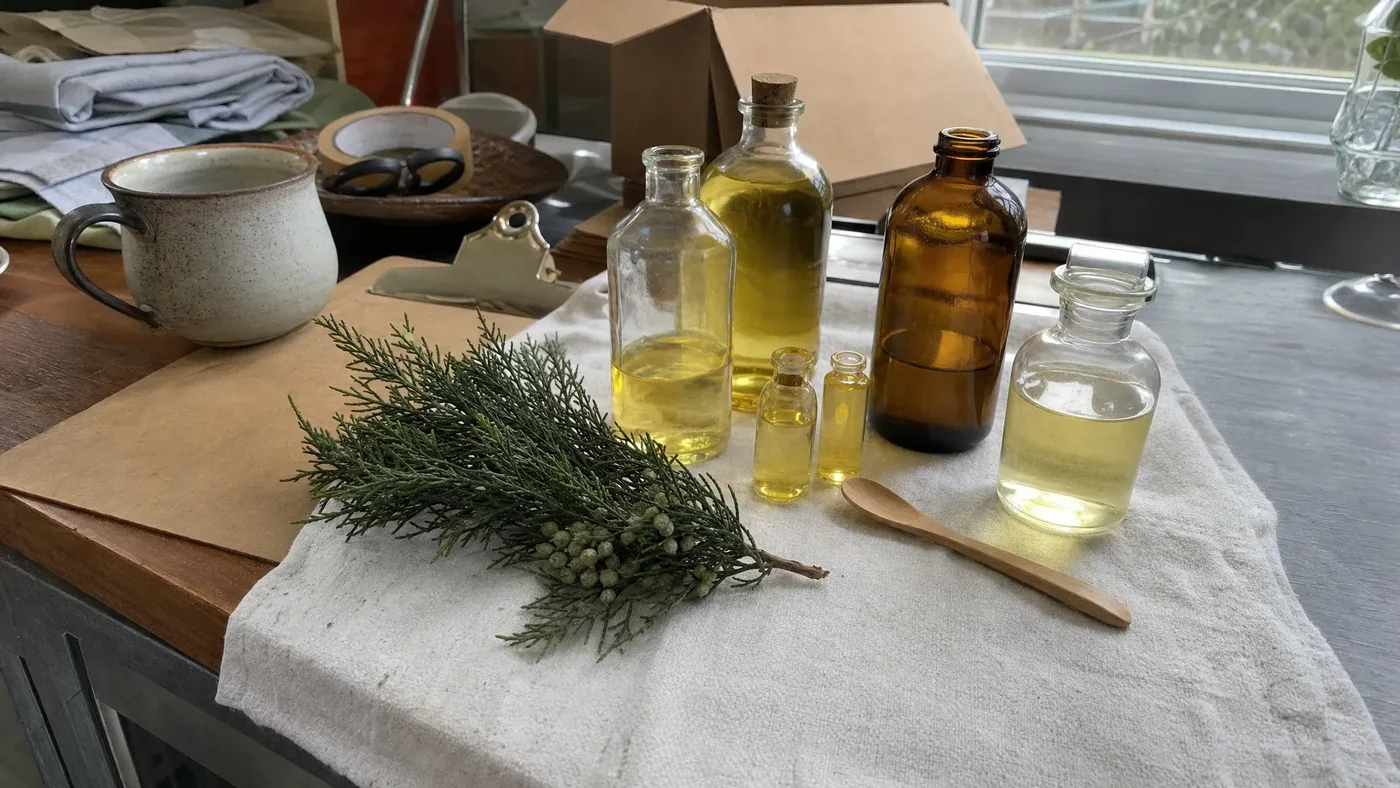
Cypress oil is steam-distilled. Steam passes through the cut green growth of the tree, carries the aromatic molecules out with it, and condenses into a thin layer of oil that floats on water. The trees are routinely pruned around the Mediterranean, so the oil is made from material that would otherwise be trimmings. Our own cypress is described in just those terms: a Mediterranean evergreen, steam-distilled, with a clean, green, coniferous character. We go deeper in how cypress oil is made.
What it smells like
Fresh and smoky-green, drier than most pine oils, finishing resinous. If pine is a shout, cypress is a low voice. That makes it a favorite for people who want an evergreen note without a holiday feel, in a diffuser, in an aftershave-style splash or in soap and candle work. The full walk-through is in our scent profile.
The best way to learn a scent is to smell it more than once. Open the bottle and smell from a hand's width away, then close it and wait. Come back after a few minutes and smell again. You'll notice the opening is fresh and green, the middle is drier and more woody, and the finish is soft and resinous. Try it again on a blotter strip an hour later and you can follow the whole arc. It is a small exercise that turns a description into something you can recognize.
What is in it
The chemistry is mostly light monoterpenes. One published analysis found alpha-pinene (48.6%) and delta-3-carene (22.1%) leading, with limonene and terpinolene behind. Another, on oil from trees grown in Egypt, found cedrol on top. That spread is normal for a plant oil and is the reason we say a buyer who needs compound figures for a particular lot should ask us in writing through the contact page. Our guide to alpha-pinene and delta-3-carene introduces the main players.
You do not need to memorize any of the chemistry to enjoy the oil. The numbers are a way of saying that cypress is a light, fresh, piney-green oil with a woody edge, and that different samples will lean in different directions. For a home user, the useful part is simply knowing the Latin name, which is Cupressus sempervirens, and trusting your own nose.
Which cypress is it?
"Cypress" is a common name that several unrelated trees share. Hinoki oil comes from Chamaecyparis obtusa, the Japanese cypress, and blue cypress oil comes from Callitris intratropica in Australia. Both are lovely in their own right, and both are different oils from this one. We sell Cupressus sempervirens only, so the botanical name is the quickest way to know what you are buying anywhere. See the types of cypress oil and blue cypress against Mediterranean cypress for the comparisons.
Where it fits in a home
Cypress is a good first conifer oil because it does not shout. If you like the idea of an evergreen note but are put off by the sweet, sharp smell of holiday pine, this is a gentler way in. Many people keep it for a hallway, a study or a bookshelf, where a steady, dry, green background suits the space. Others like it as part of a small blend with citrus or cedarwood, where it adds a spine and keeps the sweeter oils in check.
It is also a nice oil to learn on. Because the scent is clear and uncomplicated, you can tell quickly how much you need and how it changes as it sits in the air. If you're new to essential oils, start with a pad on a saucer and a notebook, and let your nose do the teaching.
Using it well
Cypress oil is concentrated and meant for external, aromatic use. Our guidance for skin is to dilute to 0.5% to 2% in a carrier oil and patch test first. Keep it away from eyes, children and pets, and do not take it internally. The Harvest page on our site adds a precaution to avoid it in pregnancy, and anyone with a medical question should ask a physician rather than a bottle. Store it capped, in a cool, dark place, as conifer oils change faster than woods or resins. The dilution chart turns percentages into drops.
If you can, spend a minute with the actual tree before or after you meet the oil. A walk past a row of cypresses in a garden or a park, a crushed twig between your fingers, and a deep breath will teach you more than a paragraph can. That dry, green, resinous smell is the thing the still captures, and once you have it in your memory, the oil in the bottle feels like an old friend.
Start with the tree, and the oil makes sense: a dry, evergreen scent from a dry, evergreen landscape.
Cypress Essential Oil
Cypress Essential Oil from our own shop, in sizes from 0.5 oz to bulk.
From $10.99
Shop Now →Sources & Further Reading
- Selim et al. 2014, BMC Complementary and Alternative Medicine 14: composition of Cupressus sempervirens oil
- Ibrahim et al. 2017, Iranian Journal of Pharmaceutical Research 16(1): essential oils of coniferous plants cultivated in Egypt
- Kim et al. 2024, Molecules 29(5): Chamaecyparis obtusa leaf oil
- Chemical composition and biological activity of Callitris intratropica oil, Planta Medica 2010 conference abstract (Southern Cross University)