How to Make a Cypress Bath Soak That Actually Mixes
The oldest bath advice, "add a few drops to the tub," is the one worth rethinking. Oil and water part company, so those drops gather into a film on the surface, and that film is what touches your skin as you lower yourself in. A cypress soak is lovely, and it only needs one extra step to be done well.
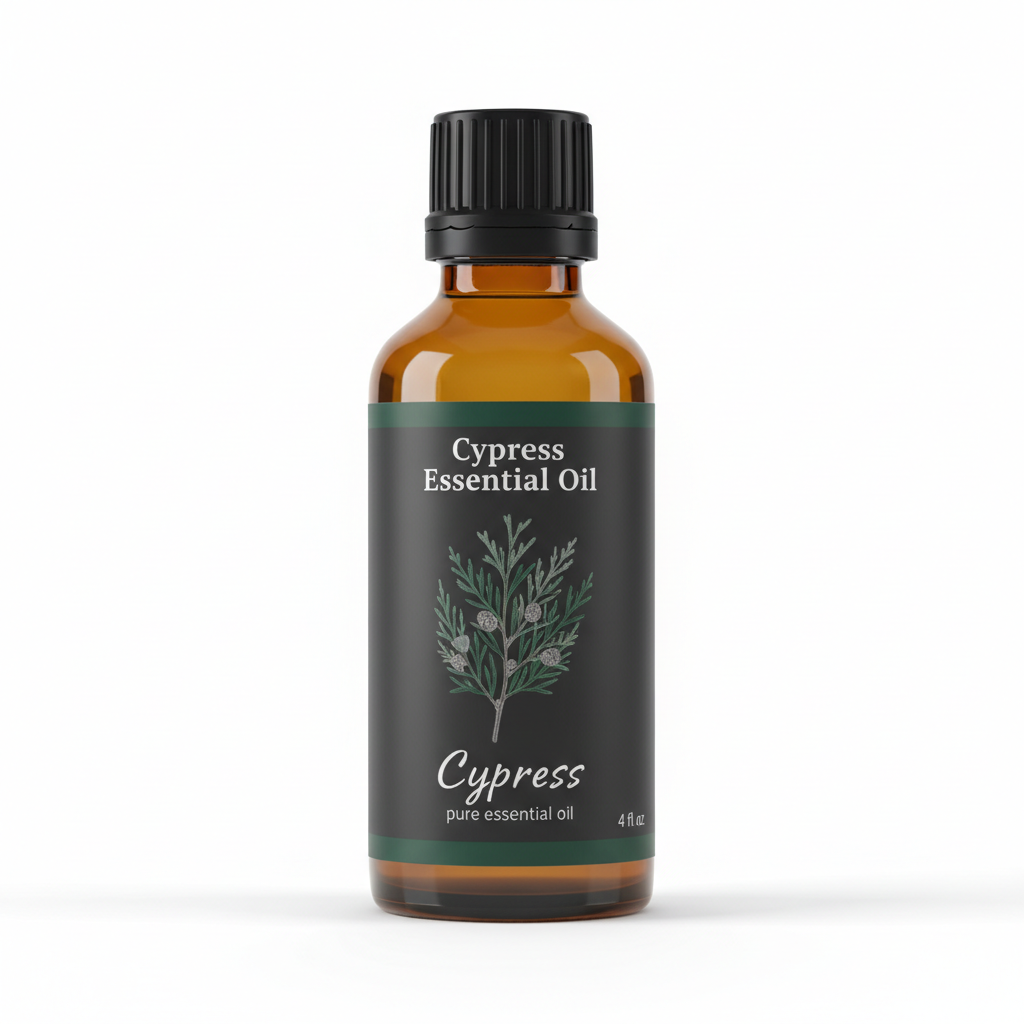
Cypress Essential Oil
Our own Cypress Essential Oil, in sizes from 0.5 oz to bulk.
From $10.99
Shop Now →What does and does not carry the oil
The Tisserand Institute's bath safety page is blunt on this point. Essential oils are not water soluble. Salt, Epsom salt included, "is not a carrier for essential oils," and neither are milk, baking soda, witch hazel or alcohol. A vegetable oil on its own will not disperse into the water either, and leaves a greasy tub. What the Institute does describe is mixing the essential oil with an equal amount of polysorbate 20, a non-ionic surfactant, and adding that to the bath, with 5 to 20 drops of oil as the working range.
So in this recipe, salt does what it is good at: it is a pleasant, mineral base for the scent and something to scoop. The polysorbate 20 does the dispersing. You can find it at cosmetic-supply shops. We sell the oil only, so that, along with the salt, is a shopping trip.
A single cypress soak
This is a recipe for one bath, which keeps things simple and means nothing sits in a jar for months.
- 1/2 cup Epsom salt or coarse sea salt
- 5 drops cypress essential oil
- 5 drops polysorbate 20
- In a small glass bowl, put the polysorbate 20 in first, then the cypress. Stir for about 30 seconds until they look like one liquid.
- Stir that into the salt until the crystals look evenly damp.
- Run the bath warm, not hot, then stir the salt in and swirl the water with your hand to spread it.
Five drops is about a quarter of a milliliter of oil in a whole tub, using the usual rule of thumb of 20 drops per milliliter. That is deliberately light. At the low end of Tisserand's range for a bath, the scent is still easy to notice, because warm water lifts it into the air. If it seems faint when you first step in, give your nose a few minutes before adding more. Noses adapt quickly, and the point of a bath is to unwind.
Setting the scene
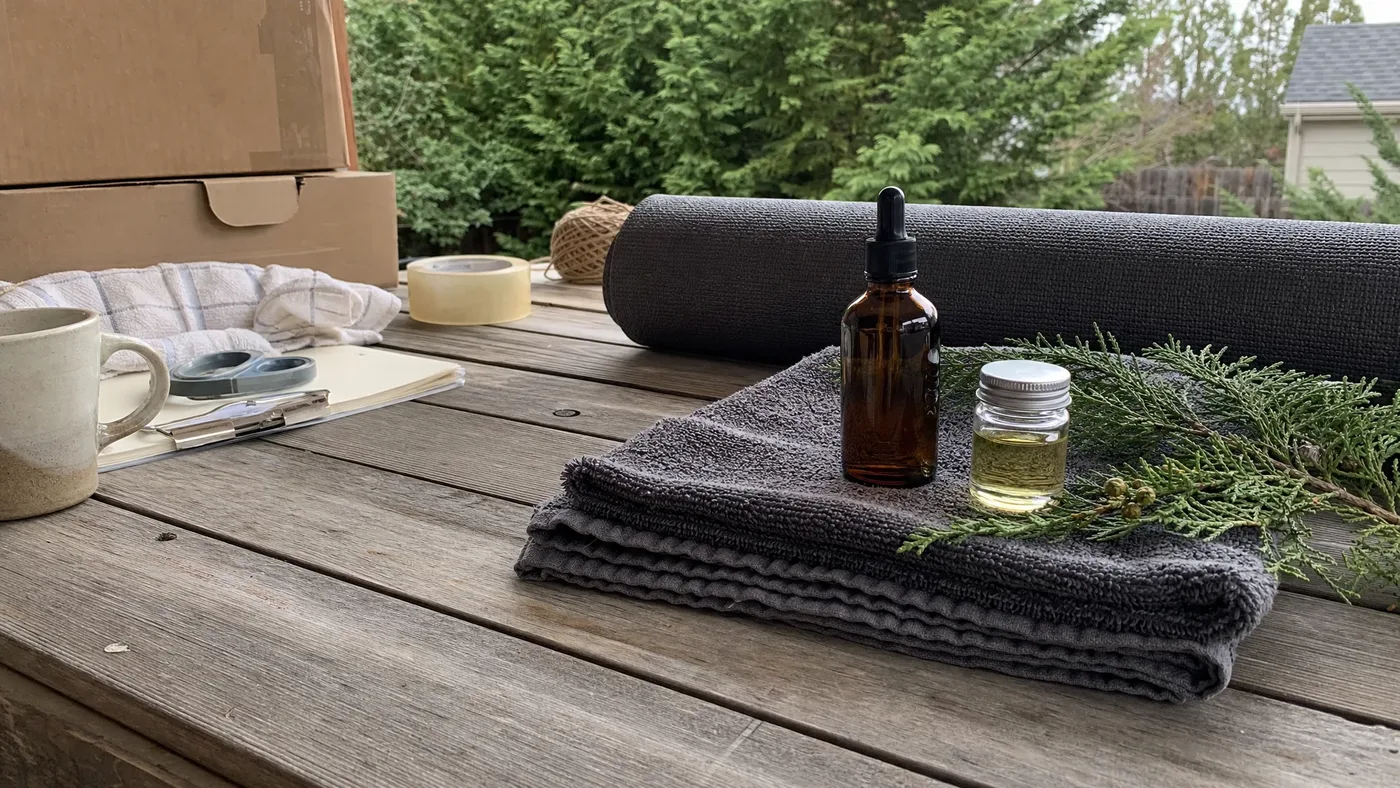
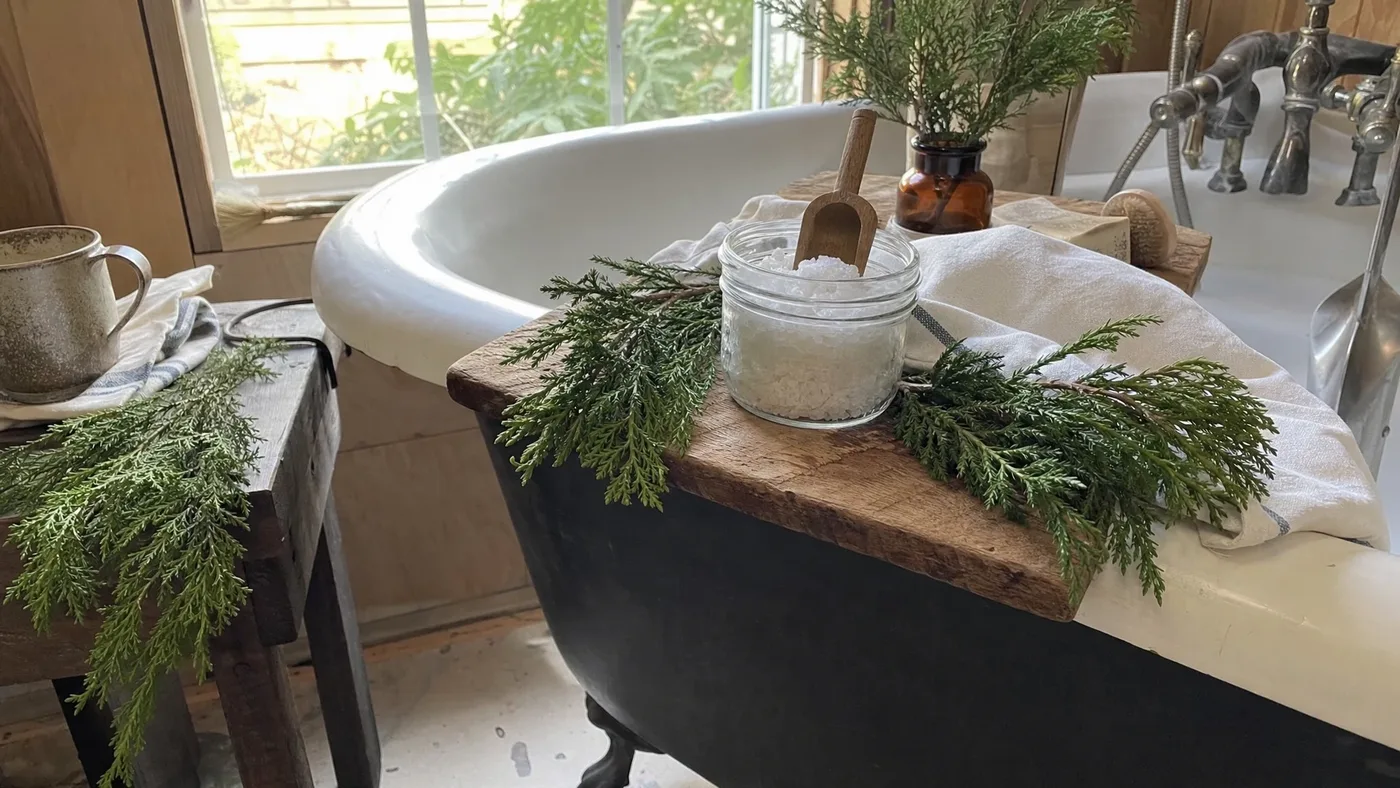
A soak is as much about the room as the water. Put a towel where you can reach it with dry hands, turn the main light off and a small lamp on, and set a glass of water by the tub. These are tiny things, but they turn "I had a bath" into an evening you planned. Run the tap, stir the salt in, and notice how the first wisp of green, resinous scent rises off the surface as the water fills.
Why warm rather than hot
Cypress oil is made mostly of light, volatile molecules. In one analysis of a C. sempervirens oil, alpha-pinene made up nearly half of what was measured and delta-3-carene about a fifth. Volatile simply means they leave liquid quickly, and heat speeds that up. In a small bathroom, very hot water can push the fragrance from pleasant to overwhelming within a minute or two. Warm water gives you a gentler scent that lasts longer. Crack the door or run the fan.
The scent itself, as we describe it, is fresh and smoky-green, drier and more refined than common pine oils, finishing resinous. It brings a walk under evergreens to mind, which is why a soak after a long day outdoors suits it.
What the salt feels like
Epsom salt dissolves into a soft, slightly slippery water, while coarse sea salt takes a little longer and leaves a crisper feel as the crystals melt. Neither is better. If you like the idea of scooping a handful and watching it disappear, pick the coarse one. If you want it to be gone before you step in, use the finer Epsom crystals and stir for a moment longer.
Making it your own
Cypress sits well beside other conifers, citrus and lavender, which you can pick up from any aromatherapy supplier if you want a blend. Keep the total drops to the same number: five drops split between two oils is still five drops, still paired with five drops of polysorbate 20. Our guide to what blends well with cypress has ideas. If you would rather go unscented, a plain salt soak is a fine thing in itself.
Bath practicalities
Rinse the tub after you drain it, since a film of soap or oil on the floor of a bath is slippery. Use a mat. A short shower afterward rinses off salt. Patch test a little of the mixed oil, diluted in a carrier, on your forearm a day beforehand if you have sensitive skin. Keep water away from your eyes, and skip any soak if your skin is broken or irritated.
A few people should ask before bathing with any essential oil. Our Harvest page advises avoiding cypress oil in pregnancy as a precaution, so anyone pregnant or nursing should check with a midwife or doctor, and the same goes for anyone bathing a baby or young child. Keep bottles out of reach of children and keep pets out of the bathroom. The oil is for external use only. Our safety guide covers the rest.
Make it a habit worth keeping
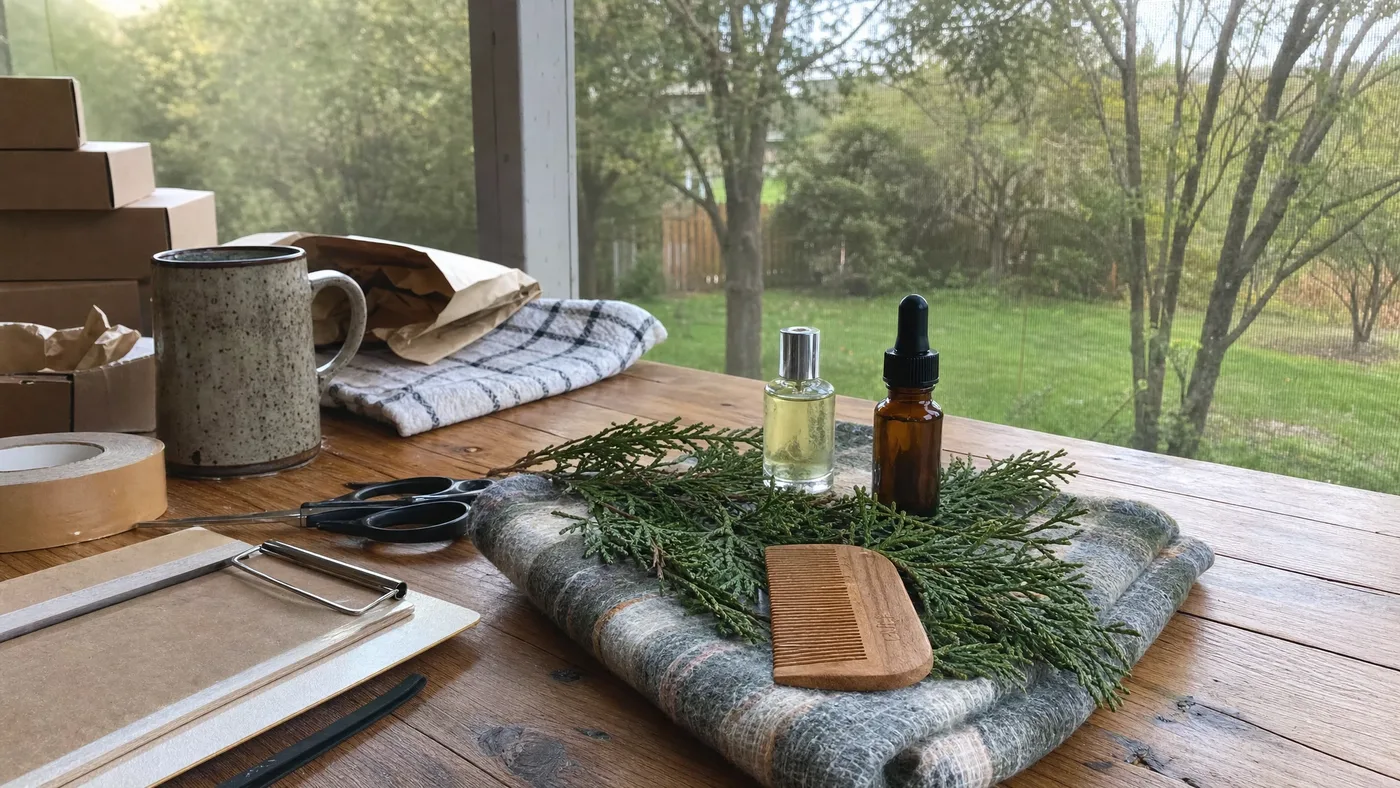
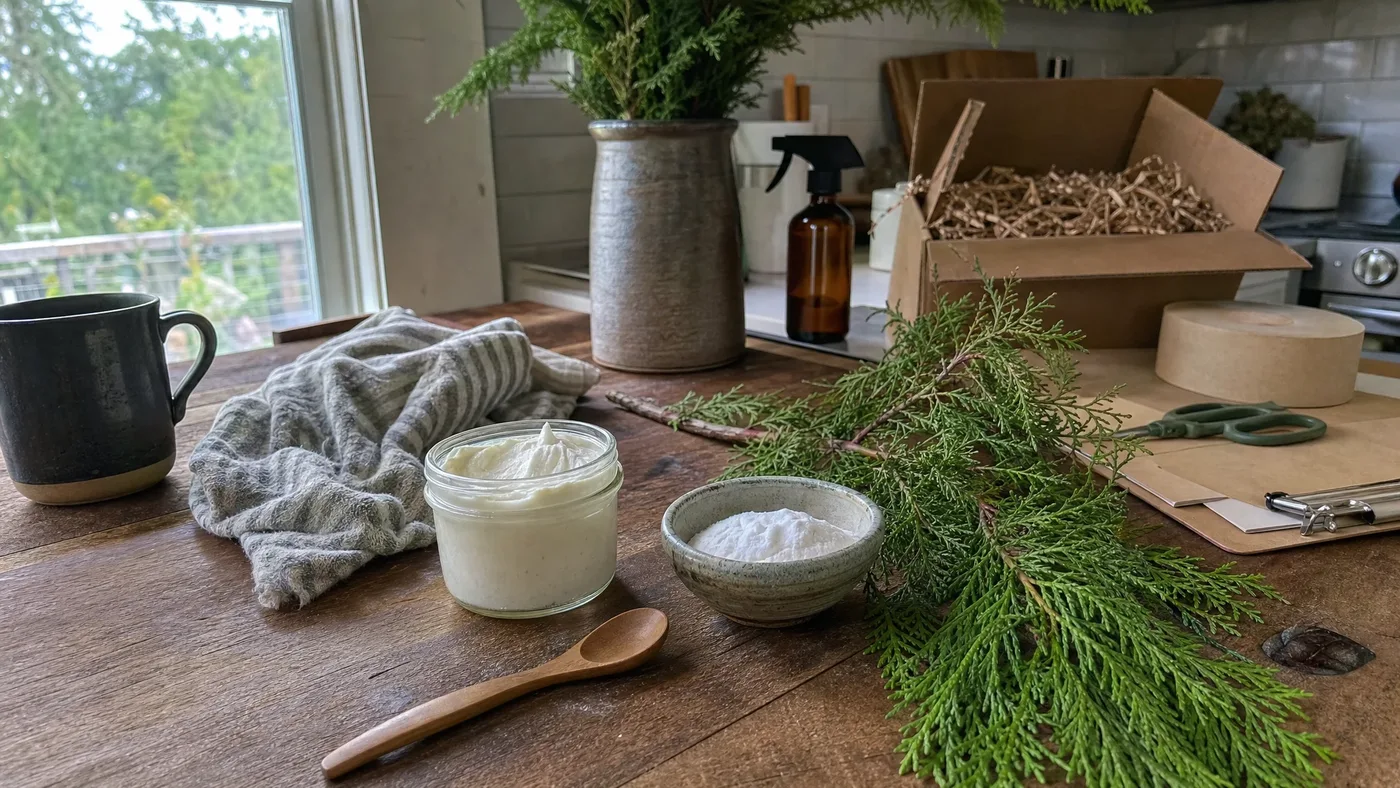
Because this recipe is mixed fresh for each bath, it is easy to keep the whole kit together. A small glass bowl, a spoon you only use for bath mixes and a labelled jar of salt on the shelf by the tub mean you never have to hunt for anything. Mix it at the last moment, let the tub fill, and take your time getting in.
That is the whole idea: dissolve first, then bathe, and let the forest scent do the rest.
Cypress Essential Oil
Cypress Essential Oil from our own shop, in sizes from 0.5 oz to bulk.
From $10.99
Shop Now →Sources & Further Reading
- Tisserand Institute. Bath safety: how to use essential oils safely in the bath. tisserandinstitute.org/safety/bath-safety
- Selim SA et al., 2014. Chemical composition, antimicrobial and antibiofilm activity of the essential oil and methanol extract of the Mediterranean cypress (Cupressus sempervirens L.). BMC Complementary and Alternative Medicine 14. PubMed 24890383