Cypress Oil FAQ: Quick Answers on Use and Storage
Cypress oil tends to bring the same handful of questions, and they are good ones: What is it? What does it smell like? How far do I dilute it? How long will a bottle keep? Here are our answers, grouped by what you are probably trying to decide.
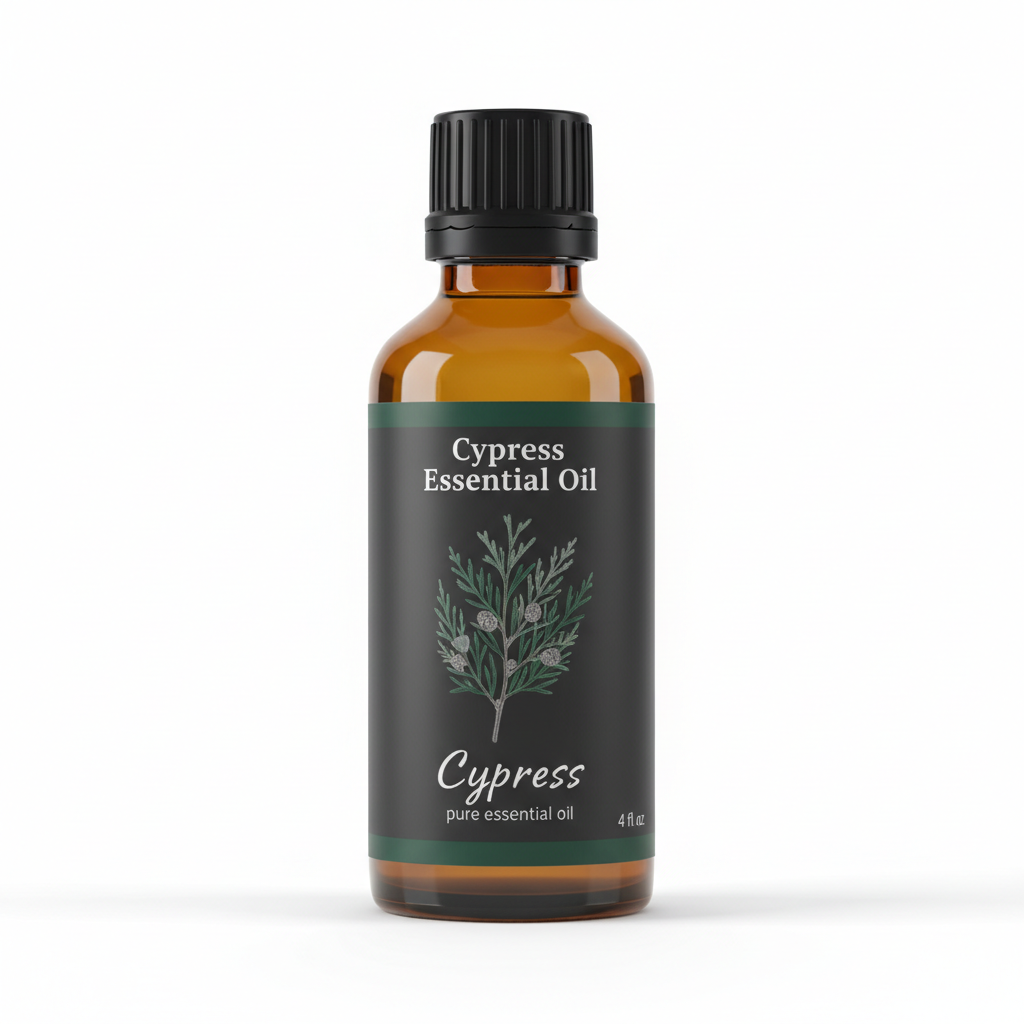
Cypress Essential Oil
Our own Cypress Essential Oil, in sizes from 0.5 oz to bulk.
From $10.99
Shop Now →About the oil
What is cypress essential oil?
It is the aromatic oil steam-distilled from the green growth of the Mediterranean cypress, Cupressus sempervirens, the tall, narrow tree you picture lining a hillside road. We sell one cypress oil, sold neat and undiluted. Our complete guide goes deeper into the tree and the still.
What does it smell like?
We describe it as clean, green and coniferous: fresh and smoky-green, drier and more refined than common pine oils, finishing resinous and lingering. If you like the smell of cut evergreen branches rather than a sweet Christmas candle, this is your oil. The scent profile has more.
Is every oil called cypress the same?
No. The word is shared by different trees, and their oils are different materials. Published analyses of Cupressus sempervirens oil alone range widely: one reported alpha-pinene at 48.6% with delta-3-carene at 22.1%, while another, from aerial parts grown in Egypt, reported cedrol at 74%. Blue cypress is another tree altogether; our comparison explains it.
How is it made?
Steam is passed through the plant material, carries the volatile aromatic compounds with it, and condenses; the oil is then separated from the water. Plenty of foliage goes in for a little oil out, which is part of why conifer oils are not the cheapest on the shelf.
Using it on skin and in the air
How do I dilute it for skin?
Our guidance is 0.5% to 2% in a carrier oil, with a patch test first. At roughly 20 drops per milliliter and 29.57 milliliters per ounce, that works out to about 3 to 12 drops per ounce of carrier. Drop size varies with the bottle, so treat the count as an estimate. For your own formulation, check IFRA standards.
Can I use it undiluted?
We do not recommend it. Keep it away from eyes, and always dilute for skin.
Can I take it by mouth?
No. It is for external, cosmetic and aroma use only.
What do you say about children, pets and pregnancy?
Keep the oil away from children and pets; our posts on kids and dogs explain how we think about it. We advise avoiding it in pregnancy as a precaution. Those are questions for a pediatrician, a veterinarian or your own doctor, not for a bottle label.
Does cypress oil treat anything?
No. We make no medical claims. We sell it for its fragrance and for cosmetic and craft use.
Buying and paperwork
Which size should I start with?
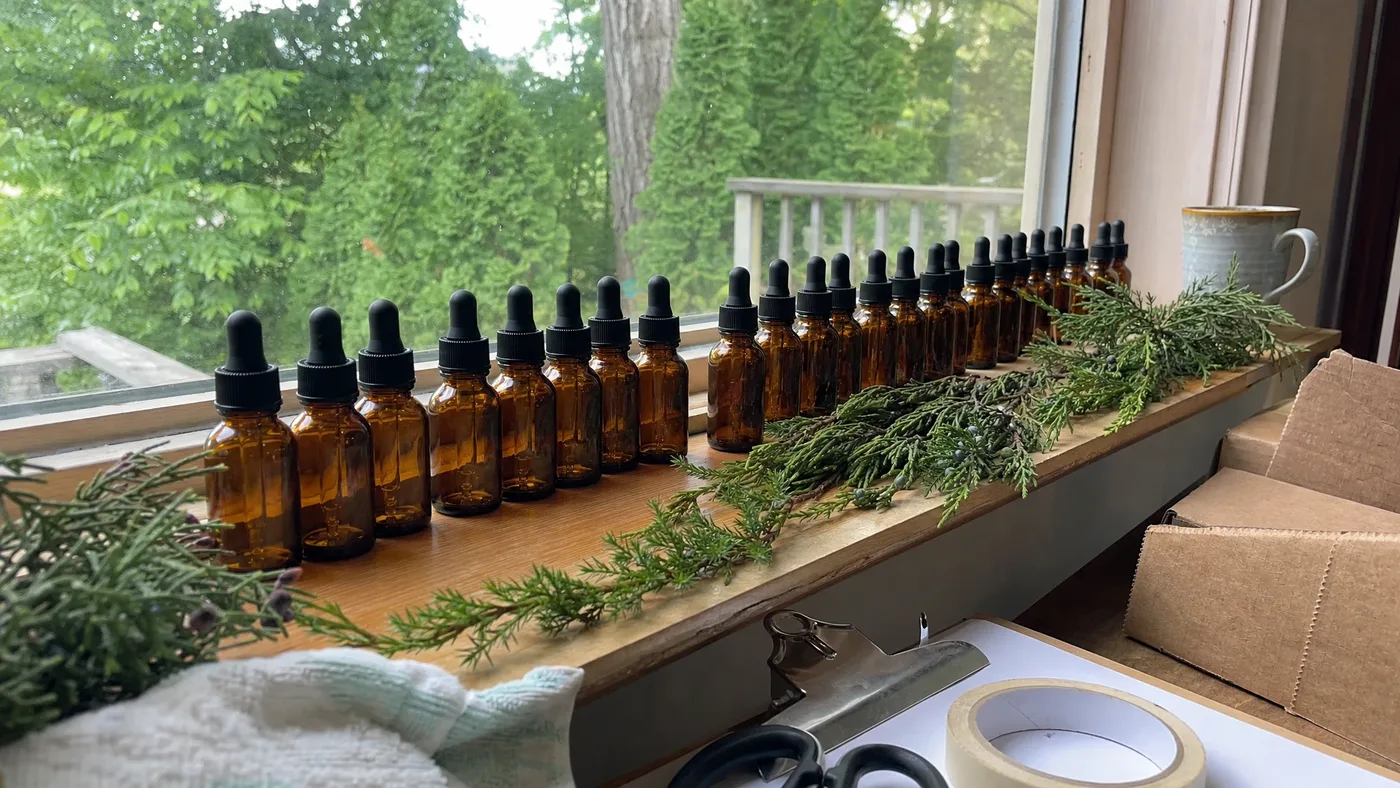
Start small. Conifer oils change sooner than woods or resins, so a bottle you finish while it is fresh is better value than a large one you are still using two years from now. We sell nine sizes, from 0.5 oz up to 400 lb; the size guide does the arithmetic.
What does your Certificate of Analysis show?
The Certificate of Analysis we publish is for one batch (CYPQGCCSUSC005A). It lists relative density 0.864, refractive index 1.469 and optical rotation +16.08 degrees, each with its printed standard, and a best-by date of 04/30/2028. If you need GC-MS or other constituent figures for the lot you will receive, ask us in writing through the contact page before ordering. Our walk-through reads it line by line.
Does a word like "grade" tell me anything?
Not on its own. Terms like premium or therapeutic are not defined for essential oils, and we do not use them. A botanical name, a lot number and paperwork you can read are more useful.
Do you sell blends or carrier oils?
No. We sell this one oil. Carrier oils, bottles and other oils are easy to find at a craft or supply shop or a grocery.
Can I buy in bulk or for my business?
Yes. See bulk for 5, 25 and 400 lb sizes, or wholesale for sample bottles and a free consultation form.
Can I try a little before committing to a bigger bottle?
That is exactly what the small sizes are for. Start with the half-ounce, live with the scent for a few weeks and decide from there. Wholesale buyers can ask about sample bottles.
What is the best way to learn the scent?
Put one drop on a paper strip and smell it every few minutes for half an hour. The dry green opening, the smoky middle and the resinous finish all show up in that time, and you will know quickly whether it suits you.
Keeping it fresh
How should I store it?
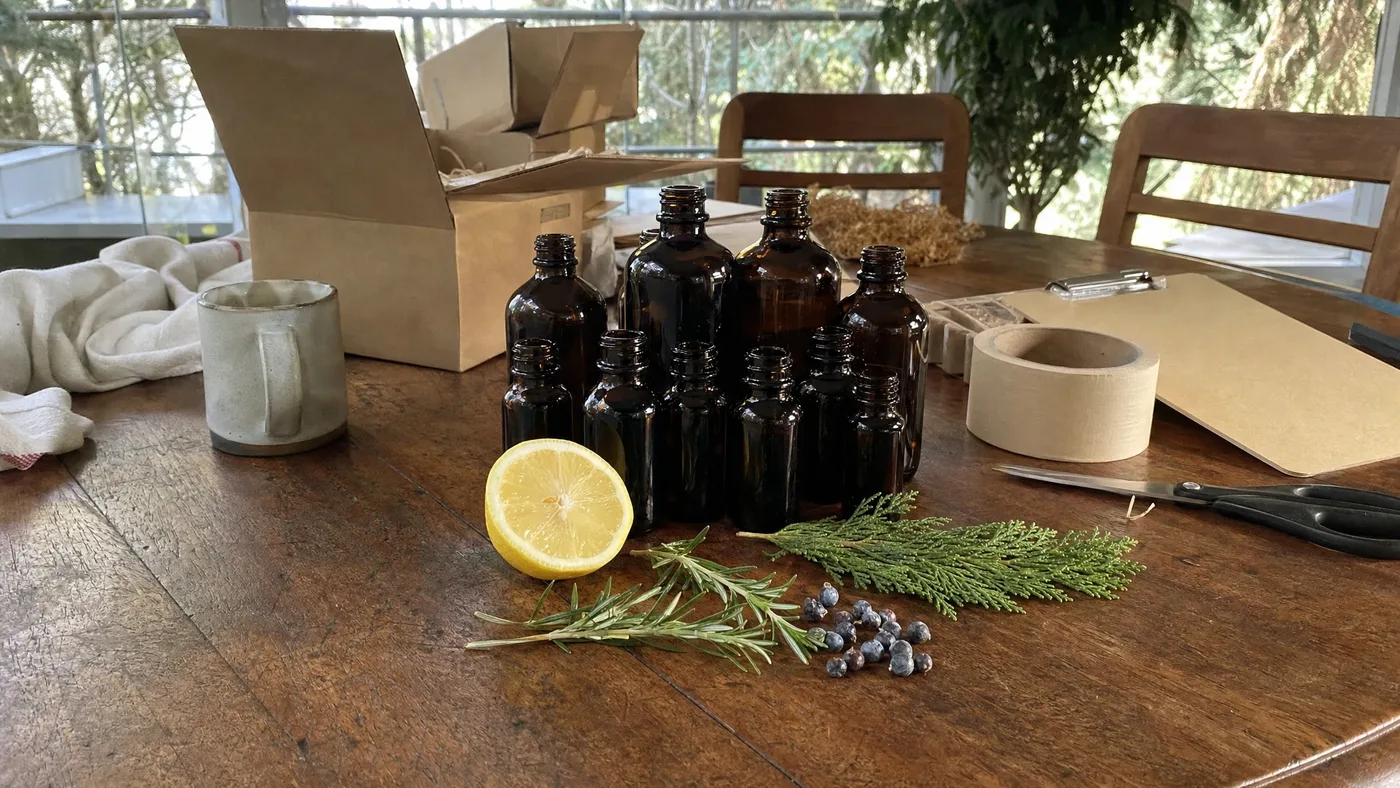
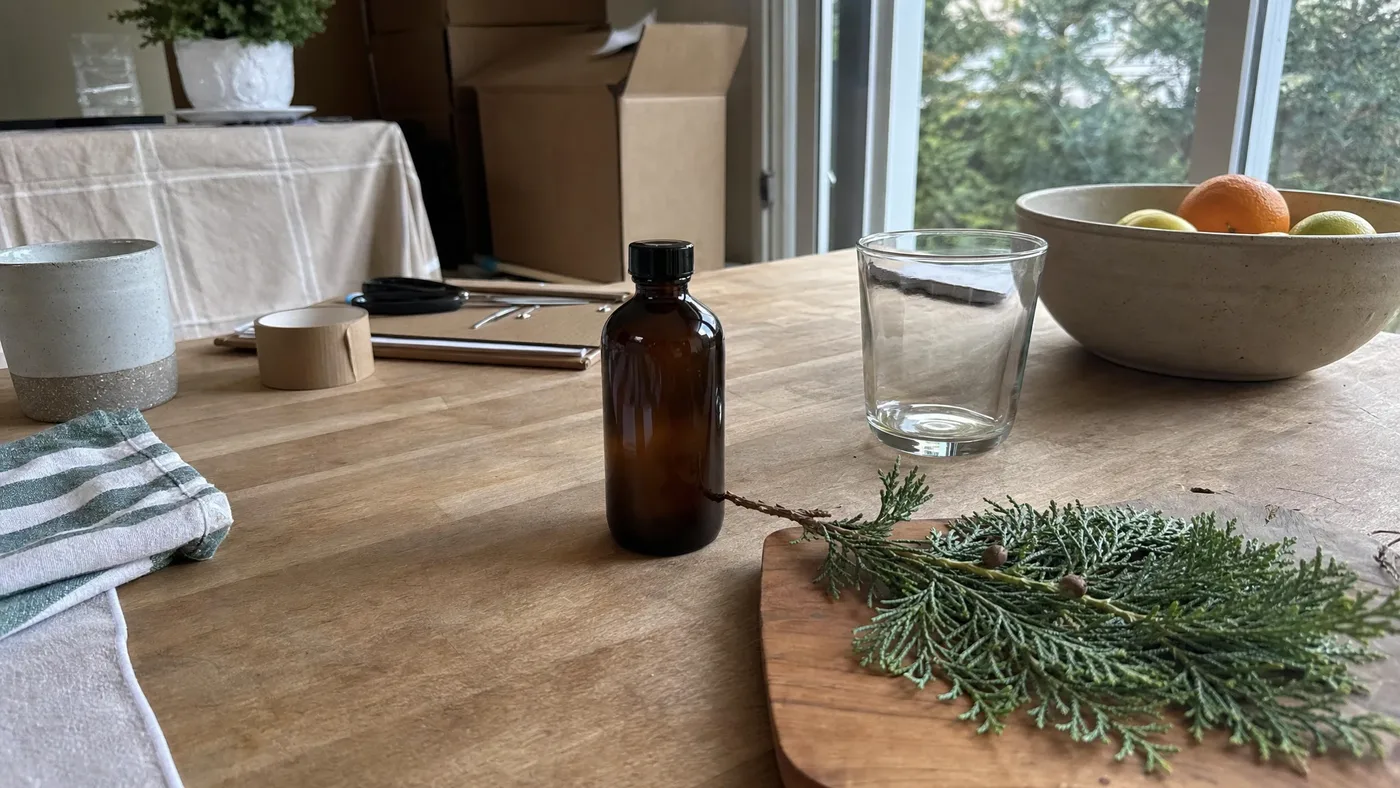
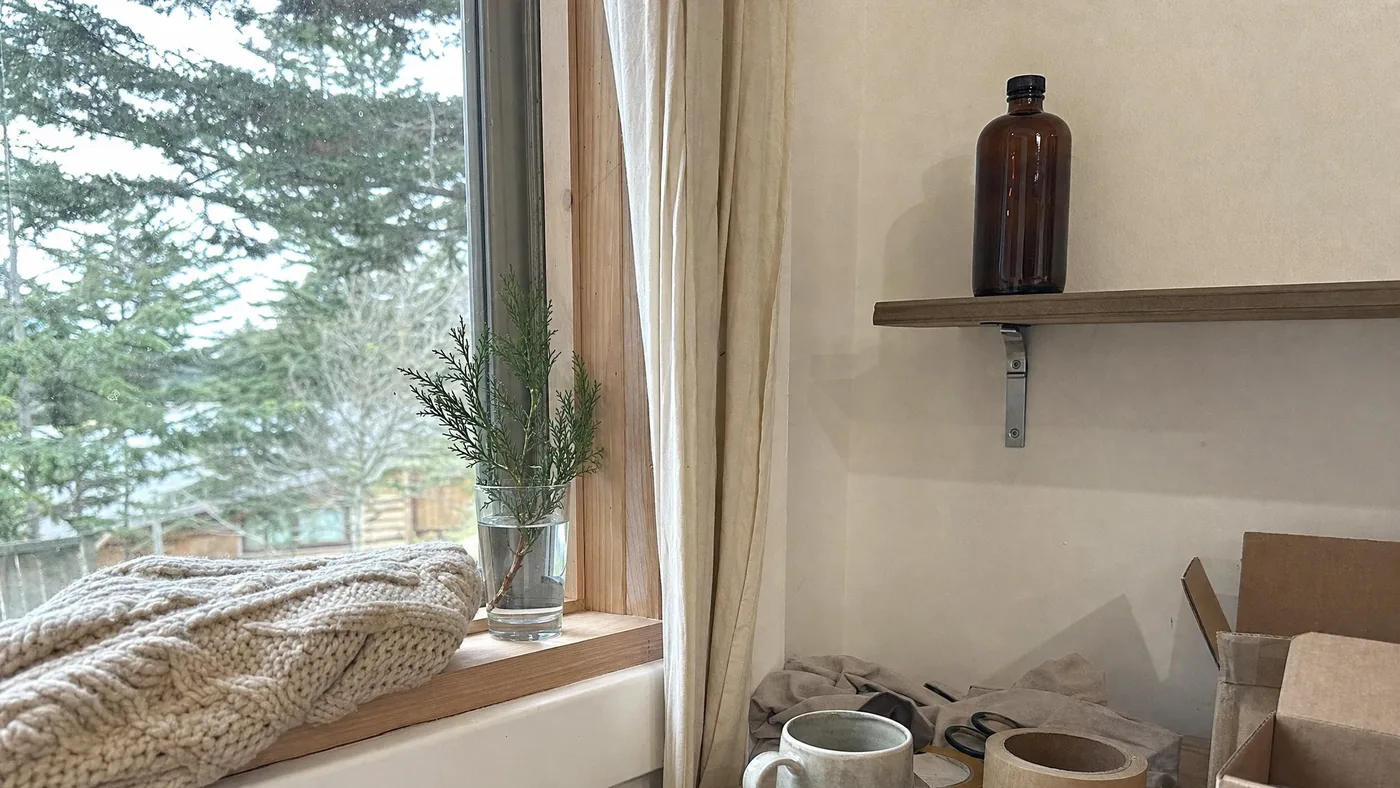
Tightly capped, in a cool, dark place away from heat and sunlight; our bottles are amber glass. The Tisserand Institute notes that oils oxidize eventually, that heat, light and air speed it up, and that conifer oils are among the quicker ones.
How long does a bottle last?
No date holds for every bottle. The Tisserand Institute’s Hana Tisserand says that conifer oils kept in a refrigerator would be at the limit of usability after about two years. Write the date you open the bottle on the label, and replace an oil that smells flat, sharp or sour; do not put an oxidized oil on skin.
If your question is not here, write to us through the contact page and we will answer it plainly too.
Cypress Essential Oil
Cypress Essential Oil from our own shop, in sizes from 0.5 oz to bulk.
From $10.99
Shop Now →