The Mediterranean Cypress: Why It Guards Quiet Places
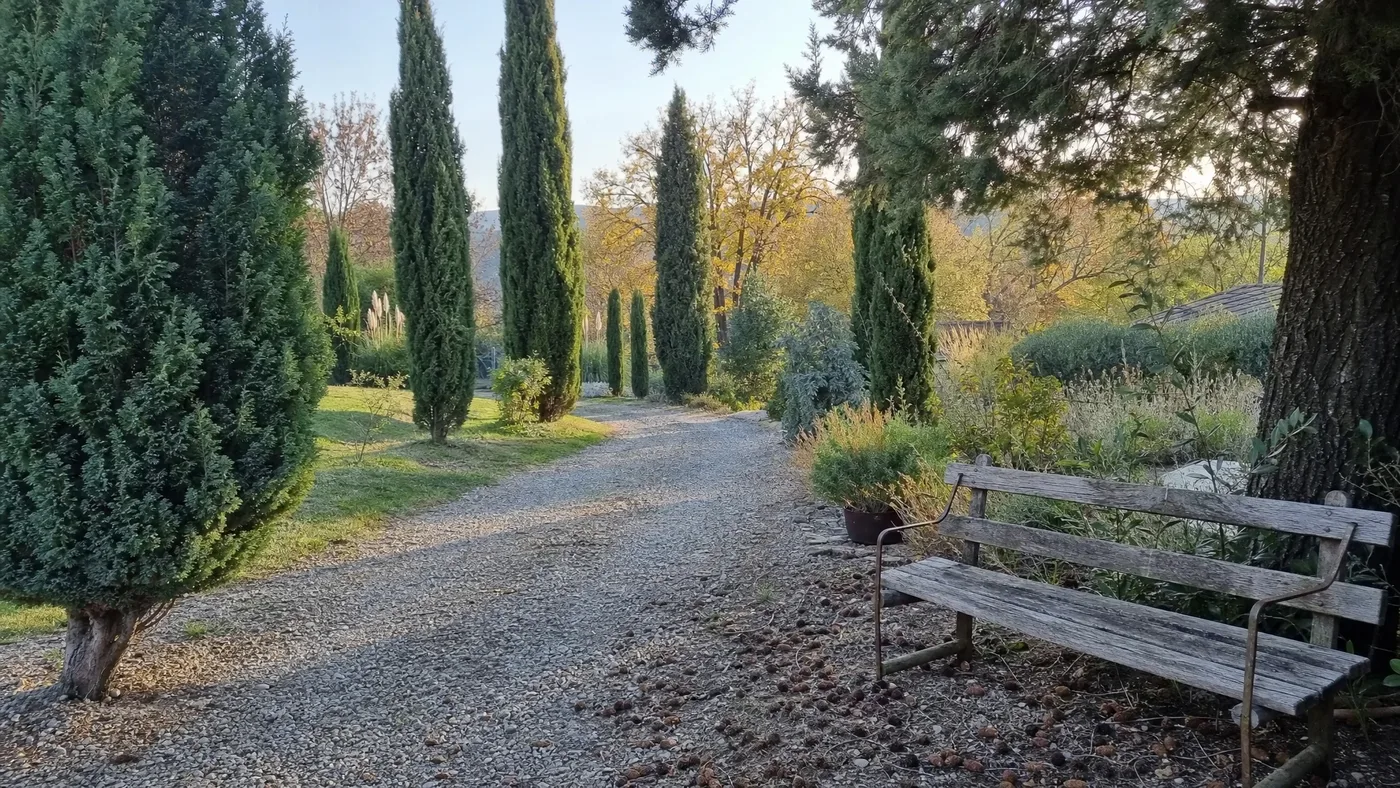
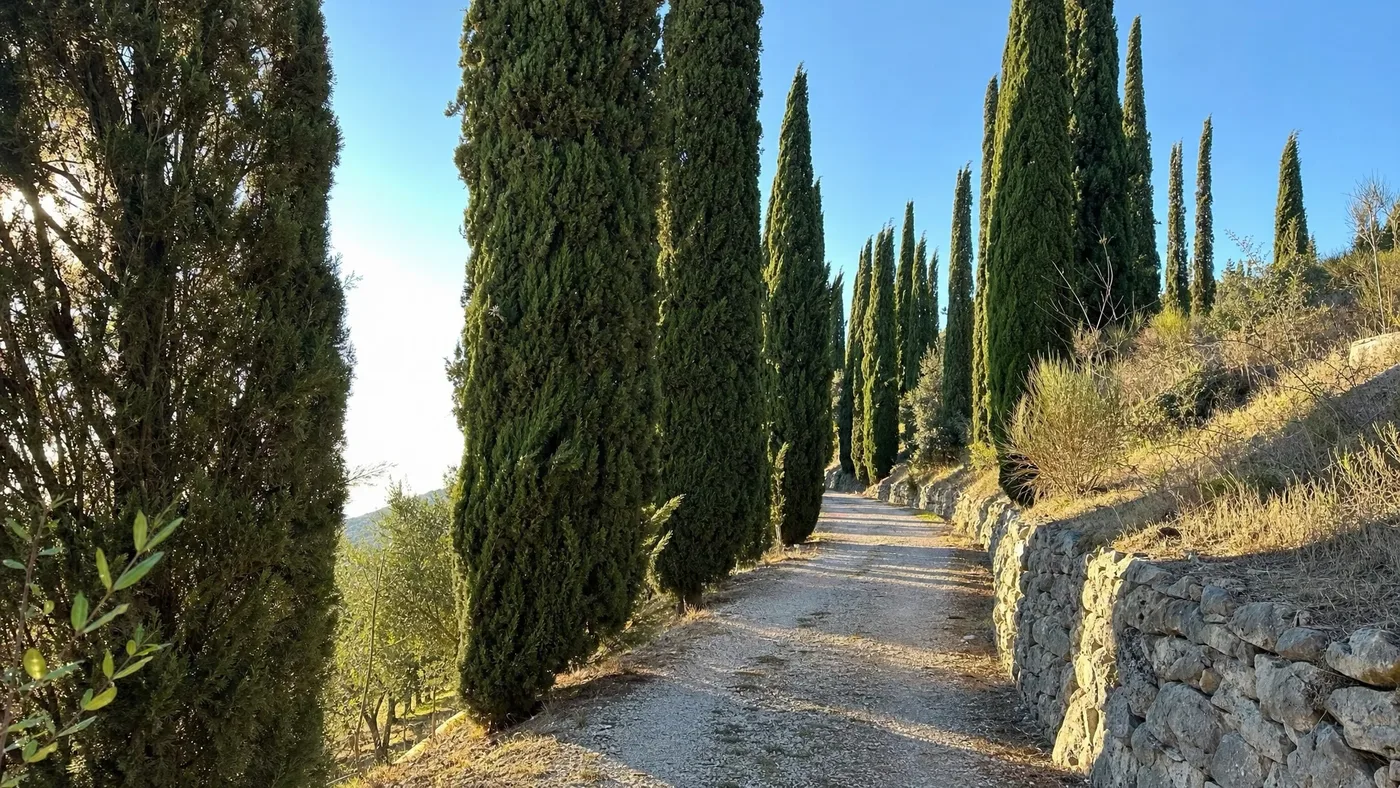
Drive through Tuscany and you see the cypresses before you see the village: dark, narrow columns lining a hill road, or standing close around a walled cemetery. This is Cupressus sempervirens, the Mediterranean cypress, and its link with remembrance is older than any modern wellness vocabulary. It is also better documented than most of what gets written about it.

Cypress Essential Oil
Our own Cypress Essential Oil, in sizes from 0.5 oz to bulk.
From $10.99
Shop Now →Three reasons it ended up beside the dead
You do not need mysticism to explain the symbolism. The species name, sempervirens, means "always green," so a tree that holds the same dark colour while oaks and vines go bare reads as constancy. Its classic form is a tight, flame-shaped column that draws the eye upward, a useful shape in a place meant for quiet. And individual trees can outlast the people who planted them, which makes them natural markers for the remembered.
Writers of the classical world noticed the pairing. Thucydides, describing the public funeral for Athens' war dead, has coffins of cypress wood carried on wagons, one for each tribe (Thucydides, History 2.34). The tree and the grave have kept company around the Mediterranean ever since.
The boy who became a tree
The myth behind the mourning tree comes from Ovid's Metamorphoses, Book 10. Cyparissus, a youth loved by Apollo, keeps a tame stag, a beautiful animal decked with ornaments and garlands. One summer noon, the stag resting in the shade, Cyparissus strikes it with a javelin by accident. Overcome, he asks the gods to let him grieve forever. His body turns green and his hair rises into a bristling crest, and he becomes a slender, upright cypress pointing at the sky. Apollo, mourning him in turn, says the tree will stand in grief wherever others grieve (Ovid, Metamorphoses 10, Theoi translation).
That last detail is the one worth keeping. The story does not just explain why the tree is sorrowful; it gives the tree a job, to keep people company in loss. It also reaches us through a Roman poet retelling Greek material, so treat it as the best-known telling rather than the only one.
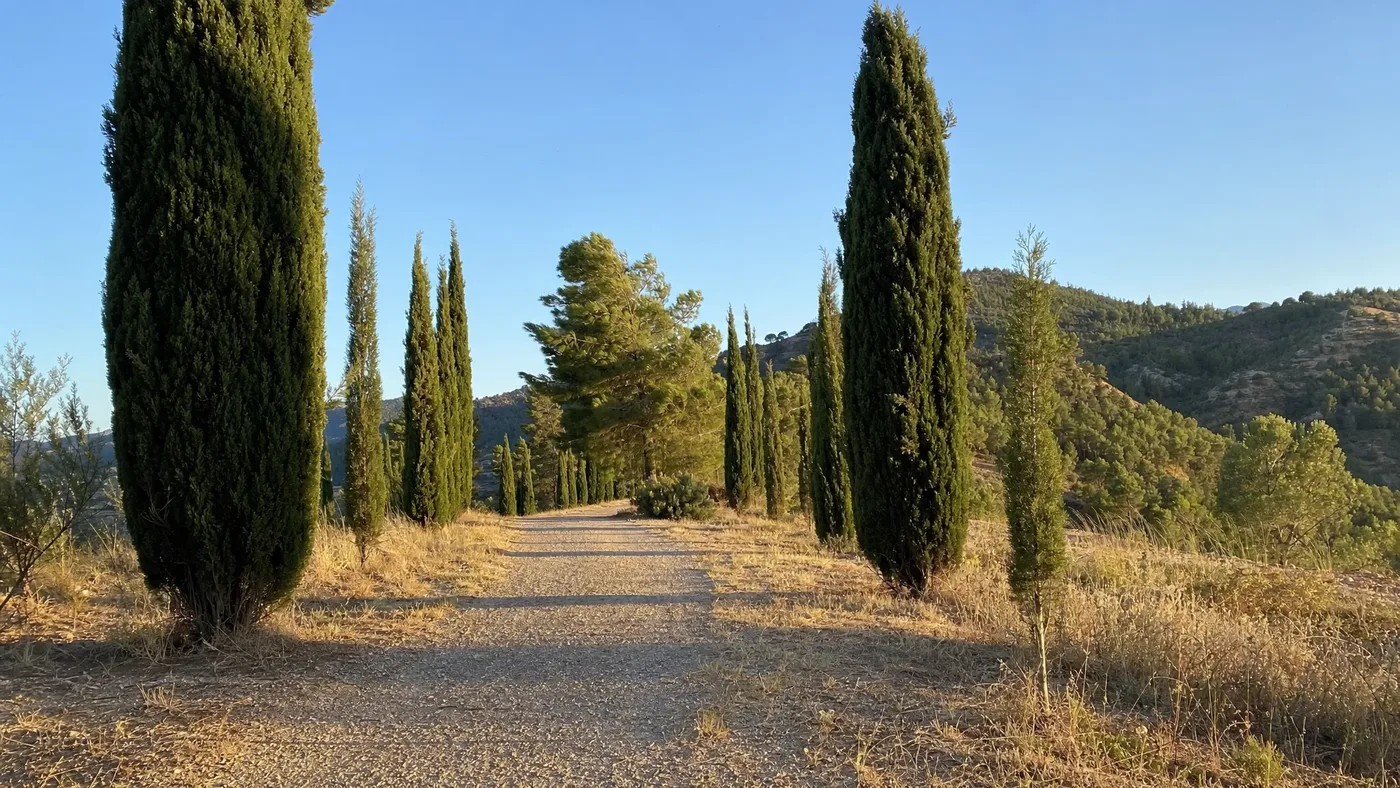
Part of the tree's character is simply how it looks in the landscape. Those narrow columns are planted close to a house, to break the wind, to mark a boundary or to line a drive, and from a distance they look like dark brushstrokes standing against a pale hillside. If you ever pass a row of them in the evening, notice how the light catches the very tops while the lower branches fall into shadow. It is a quiet kind of drama, and it explains why painters, poets and gardeners have returned to it for so long.
The flame in the painter's wheat field
For most people today, the cypress means one artist. The Met notes that Vincent van Gogh painted Wheat Field with Cypresses outdoors, from nature, at Saint-Rémy in June 1889, after he was allowed to explore the countryside beyond the asylum walls, and he repeated the composition in other versions (The Metropolitan Museum of Art). His cypresses twist like dark flames against a moving sky, which is a restless reading of a tree that otherwise stands for stillness. Together with the cemetery rows, it fixed a solemn, slightly otherworldly picture in the popular imagination.
Where the oil comes in
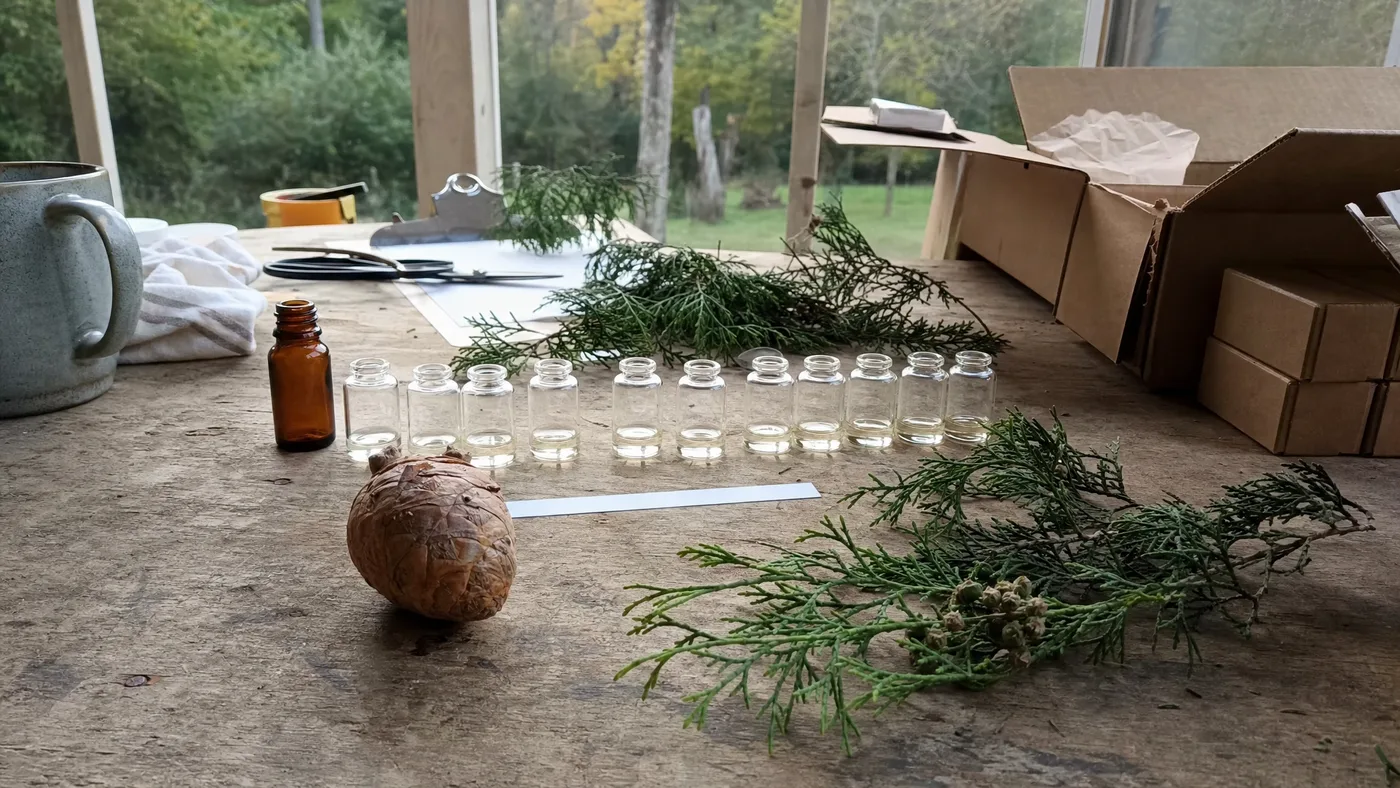
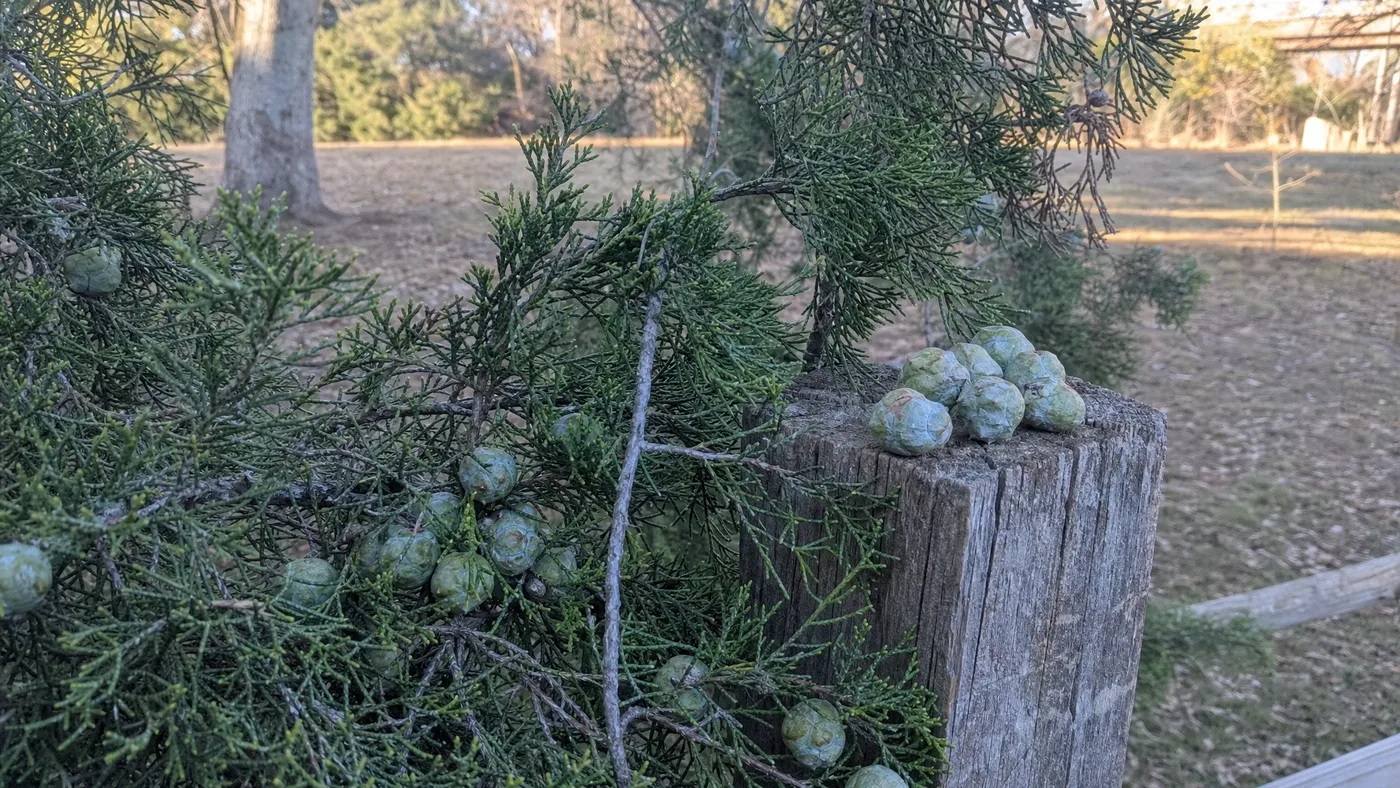
Our oil is described on our pages as steam-distilled from the green growth of Cupressus sempervirens, harvested around the Mediterranean. On the nose we find it fresh and smoky-green, drier and more refined than common pine oils, finishing resinous and lingering.
It is tempting to dress that scent in spiritual language, and plenty of sellers do. We would rather say it plainly. The aroma is green, dry and resinous with a woody edge, and many people find it feels still and solemn. That reaction owes much to association: if you have walked a cypress-lined cemetery, seen a Van Gogh print or read Ovid, you have already been taught what the tree means, and the scent calls it back. No compound in a bottle carries the meaning of mourning; it lives in the culture. That does not make the experience any less real. Associations are a perfectly good reason to choose an aroma, the way pine suggests a forest or lavender a linen cupboard.
A diffused drop or two in the evening is a lovely way to mark off a quiet corner of the day. Our guide to cypress oil covers the oil itself, and our post on quiet evening moments pairs naturally with the history above.
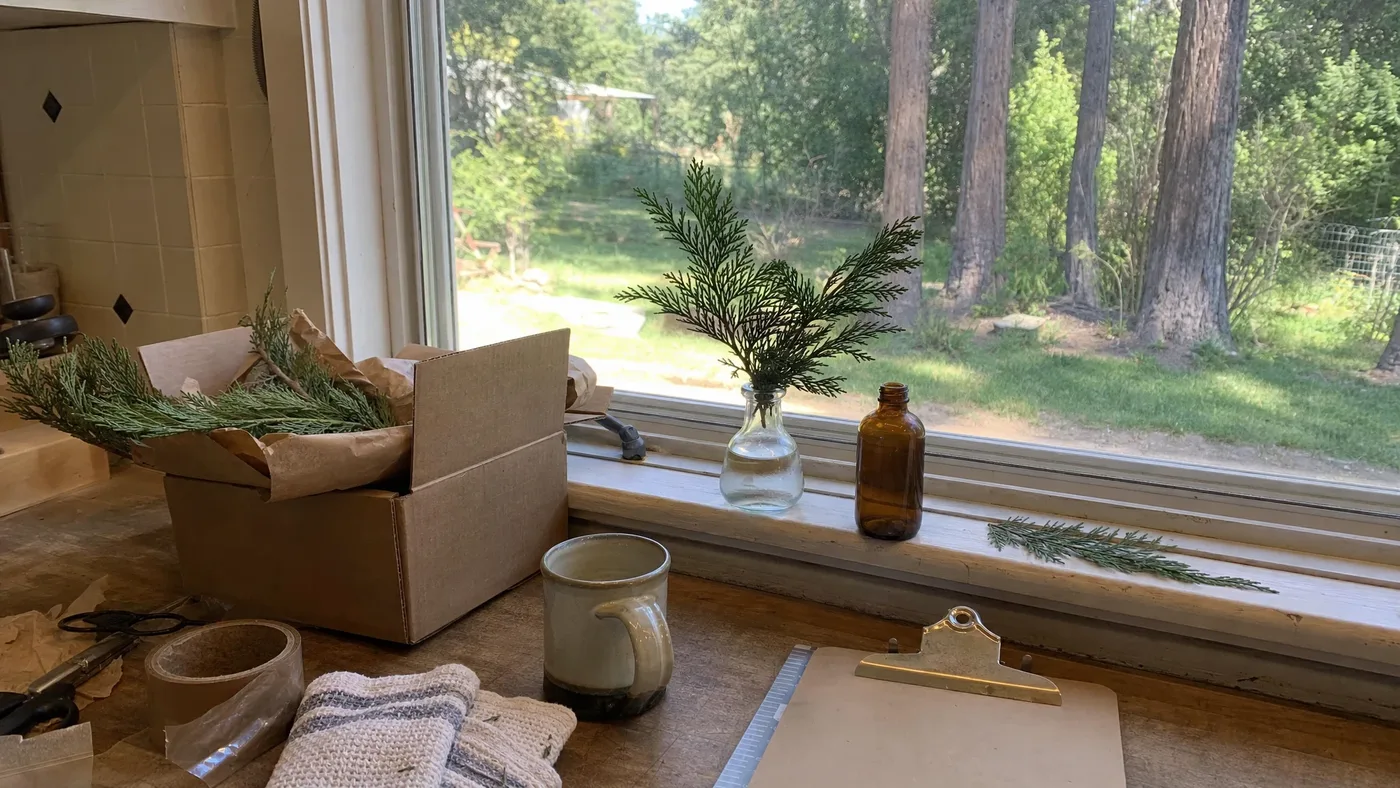
If you want to pair the history with the oil, a small ritual is nice: put a drop on a cotton pad, set it on a saucer on a windowsill out of direct sun, and read a page or two about the tree while you are there. You'll notice the scent changes a little as the minutes pass, opening green and then drying toward wood and resin. It is a small thing, but it is a good way to give a tree with so much history its due.
Handling it well
Our cypress is an external cosmetic oil, not for internal use. For skin, we recommend diluting to 0.5% to 2% in a carrier oil and patch testing first, and we keep it away from eyes, children and pets. We suggest avoiding it in pregnancy as a precaution, and for anything medical, a physician or pharmacist is the right person to ask. If you have pets at home, read cypress oil and dogs before diffusing. If you want to be sure you are buying the right plant, the Latin name matters, because several unrelated plants share the word cypress; our post on cypress rotundus untangles one of the usual mix-ups.
The oil can hold the scent, but the stillness people hear in it was built over some two thousand years, by an Athenian procession, a grieving boy in a Roman poem and a painter who could not stop drawing the same dark flame. If you ever get the chance to stand under a real cypress grove at dusk, take it.
Cypress Essential Oil
Cypress Essential Oil from our own shop, in sizes from 0.5 oz to bulk.
From $10.99
Shop Now →Sources & Further Reading
- Thucydides, History of the Peloponnesian War 2.34 (Perseids Project). cts.perseids.org
- Ovid, Metamorphoses, Book 10 (Theoi Project). theoi.com
- The Metropolitan Museum of Art. Vincent van Gogh, Wheat Field with Cypresses, 1889. metmuseum.org