Why Is Cypress Oil Expensive? What Drives the Cost
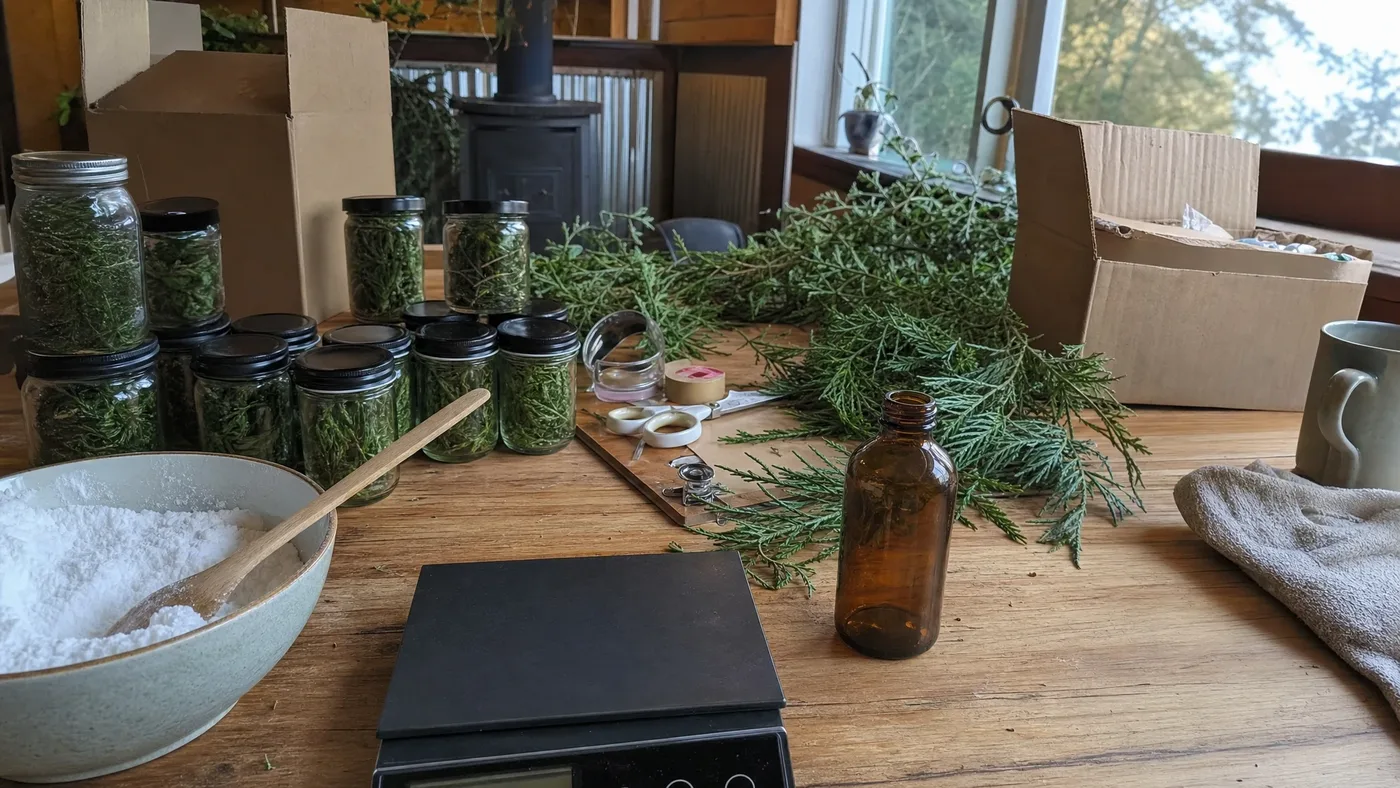
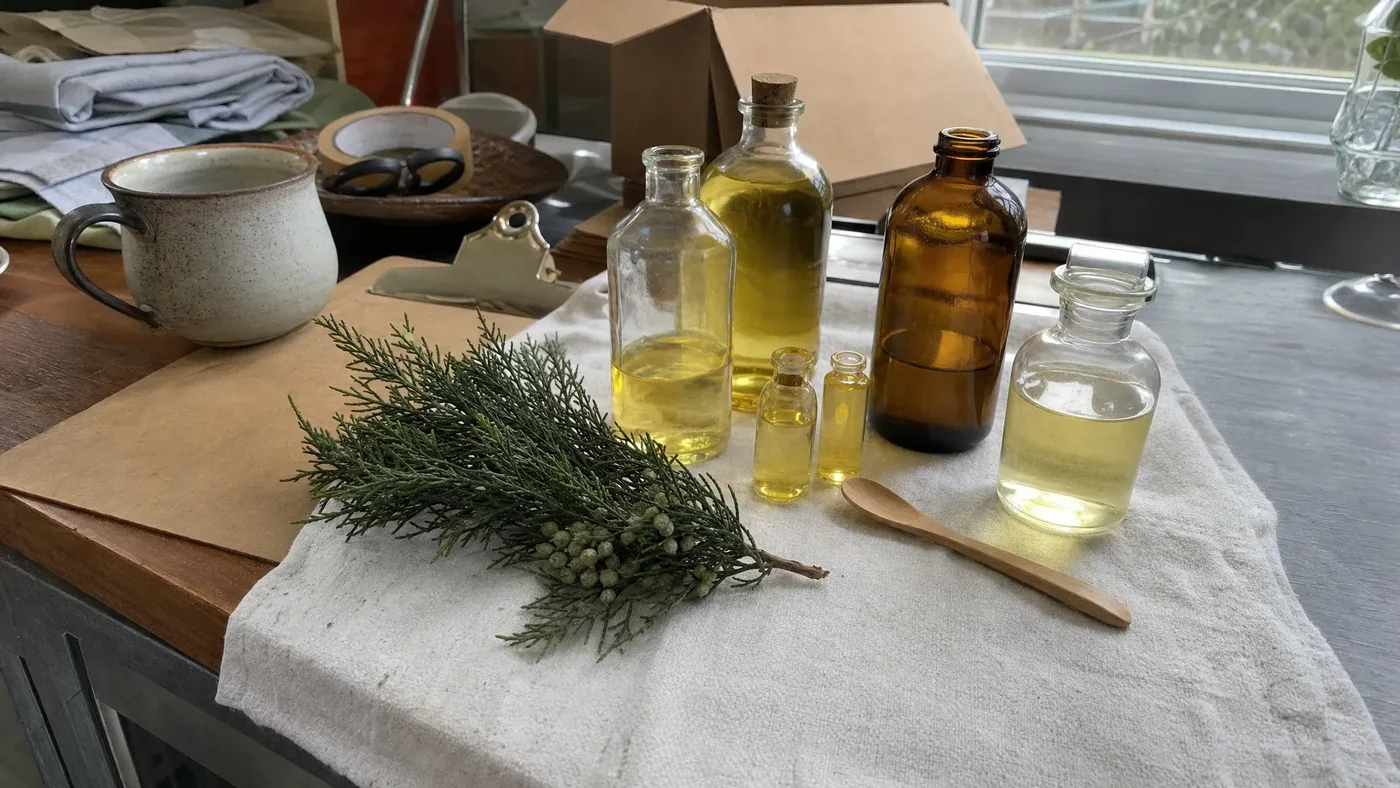
Fill a bottle of cypress oil and you have taken a surprising amount of tree out of the picture. In laboratory distillations of Tunisian Cupressus sempervirens, the yield was about half a percent of the foliage's weight (0.49% to 0.56%). Work that backwards and you get roughly 180 to 200 kilograms of foliage for a single kilogram of oil. That one proportion explains most of what you see on a price tag.
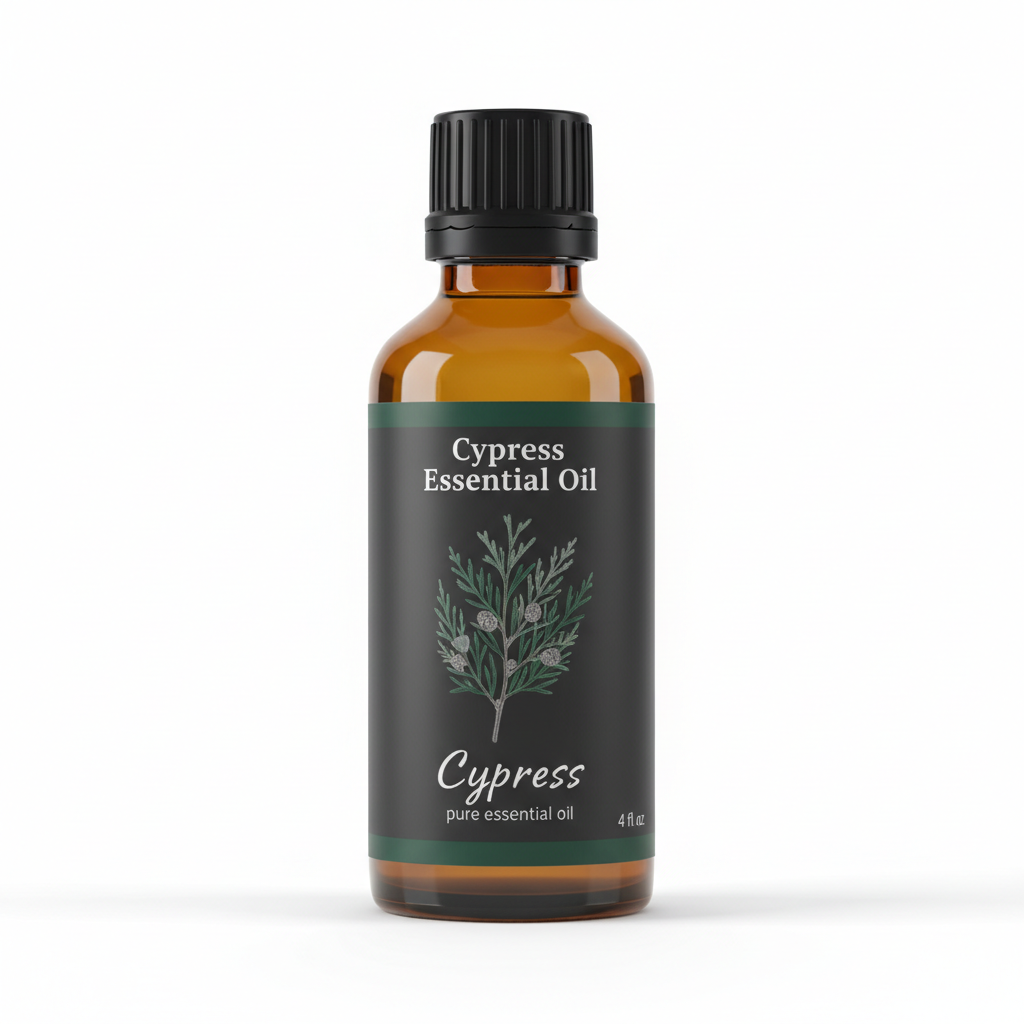
Cypress Essential Oil
Our own Cypress Essential Oil, in sizes from 0.5 oz to bulk.
From $10.99
Shop Now →It starts with plant material
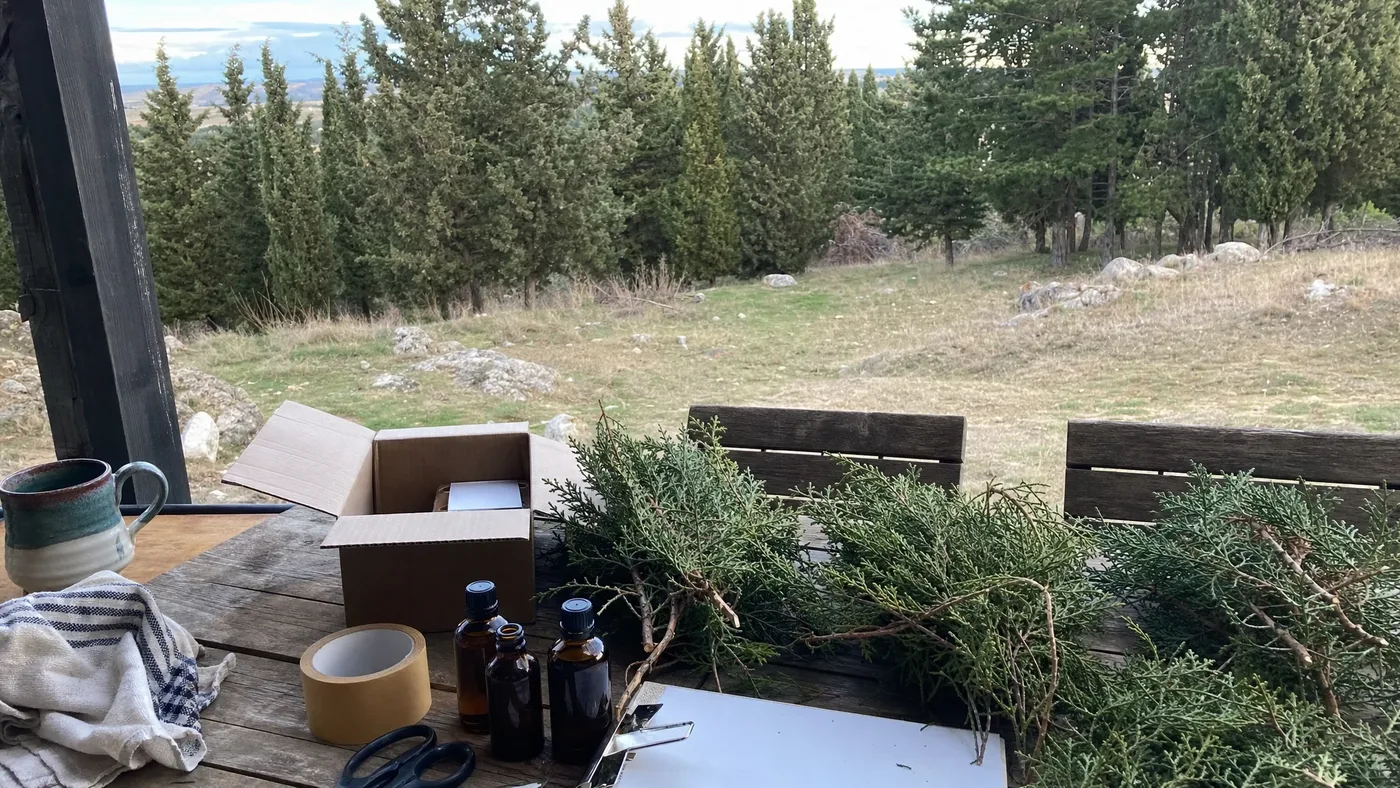
Foliage has to be cut, gathered, moved, loaded into a still and distilled with steam, and then the spent material has to go somewhere. Those jobs scale with the pile of plant, not with the bottle at the end. Commercial stills may do better or worse than the laboratory figure above, so take it as a sense of scale rather than a rule. Yield also shifts with how fresh the foliage is, how much twig goes in with the green, and the season. Cypress trees are routinely pruned, which is part of why the oil is made from growth that comes off the tree anyway.
Species and plant part change what you are paying for
"Cypress" on a label can mean several trees, and a wood oil, a leaf oil and a cone oil are different materials with different yields. That is why we always name Cupressus sempervirens. If you are comparing two listings, make sure you are comparing the same species and, where it is stated, the same plant part. Our blue cypress comparison shows how far apart two "cypress" oils can sit.
Scale, bottle size and paperwork
Bigger lots spread handling, packaging and shipping across more oil, which is why bulk formats exist: we sell 5, 25 and 400 lb on our bulk page and larger by contact. Small bottles carry proportionally more glass and fill work per milliliter. Documentation costs something too. The Certificate of Analysis we publish gives density, refractive index and optical rotation for one batch; GC-MS for a specific lot is a request we handle in writing through the contact page. Whether you need that depends on what you are making. A hobbyist diffuser blend and a product you sell have different needs.
What it is like to handle the oil
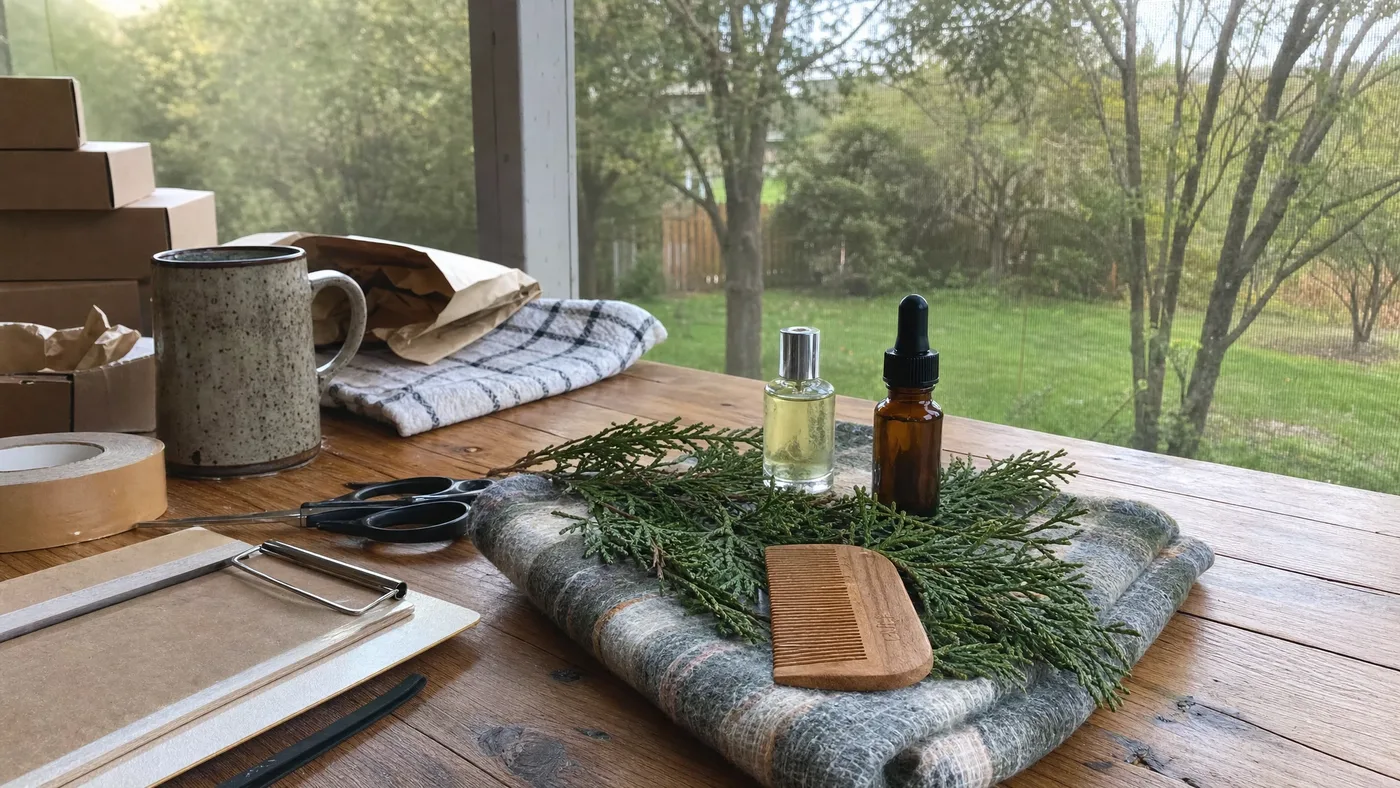
Once you hold a bottle, the idea of "a lot of tree for a little oil" becomes easy to feel. A single drop carries the whole character of the scent. That is why a small amount is enough to scent a room or a bottle of body oil, and why it is worth thinking in drops, not ounces. If you have ever zested a lemon and noticed how a pinch of peel scents a whole kitchen, cypress is like that: concentrated, a little goes a long way and you rarely need to be generous.
What a low price can hide
Natural oils get adulterated and mislabelled because they are expensive to produce. A 2026 study of fourteen pine oils on the Turkish market found none complied with the European Pharmacopoeia monograph. That was pine, not cypress, but it shows why identity checks are worth the effort: a price well below the going range for a single-species conifer oil is a reason to ask what is in the bottle, and what the seller can show. Our guide to reading a cypress oil label covers the questions to ask.
Questions worth asking any seller
- Which species is this, and is the botanical name on the page?
- Is there a batch number on the bottle, and can I see paperwork for it?
- What size makes sense for the way I will use it?
- How is it packed to protect it from light?
Honest answers to those four questions tell you more about value than a price comparison ever will. We would rather you ask us than guess, and we like it when people do.
Why we suggest starting small
Because the oil is concentrated and because conifer oils change with time, a small bottle you finish is usually kinder to your wallet than a large one that sits. Think of it like buying fresh herbs: you can always get more once you know how quickly you go through them. Open the bottle, enjoy it while it smells its best and reorder when you are close to the end.
Reading a listing like a maker
When you look at any cypress oil listing, slow down and read it the way a soap maker or perfumer would. Is the species named? Is there a size you can actually use? Is there a way to ask a question before you order? A listing that answers those quietly and plainly is usually written by someone who cares about the bottle, and that care tends to show up in the oil as well.
Cost per use, not cost per bottle
Cypress is concentrated. At the 0.5% to 2% skin dilution we suggest, 1 ml of oil makes 50 to 200 ml of finished blend, so a small bottle lasts. The better comparison is cost per finished product over the oil's useful life; see which bottle size to order and our buyer's guide.
The fair price for cypress oil is the one that makes sense once you remember how much tree went into the bottle.
Cypress Essential Oil
Cypress Essential Oil from our own shop, in sizes from 0.5 oz to bulk.
From $10.99
Shop Now →