
Reading a Cypress Oil GC/MS Report: A Buyer's Checklist
A bottle labeled "pure cypress essential oil" tells you almost nothing on its own. The label is marketing. The GC/MS report is evidence. Gas chromatography/mass spectrometry analysis breaks a sample down into its individual chemical components, assigns percentages to each, and gives you a profile you can actually compare against known botanical standards. Once you know what to look for, a cypress oil GC/MS report becomes one of the most useful tools you have as a buyer.
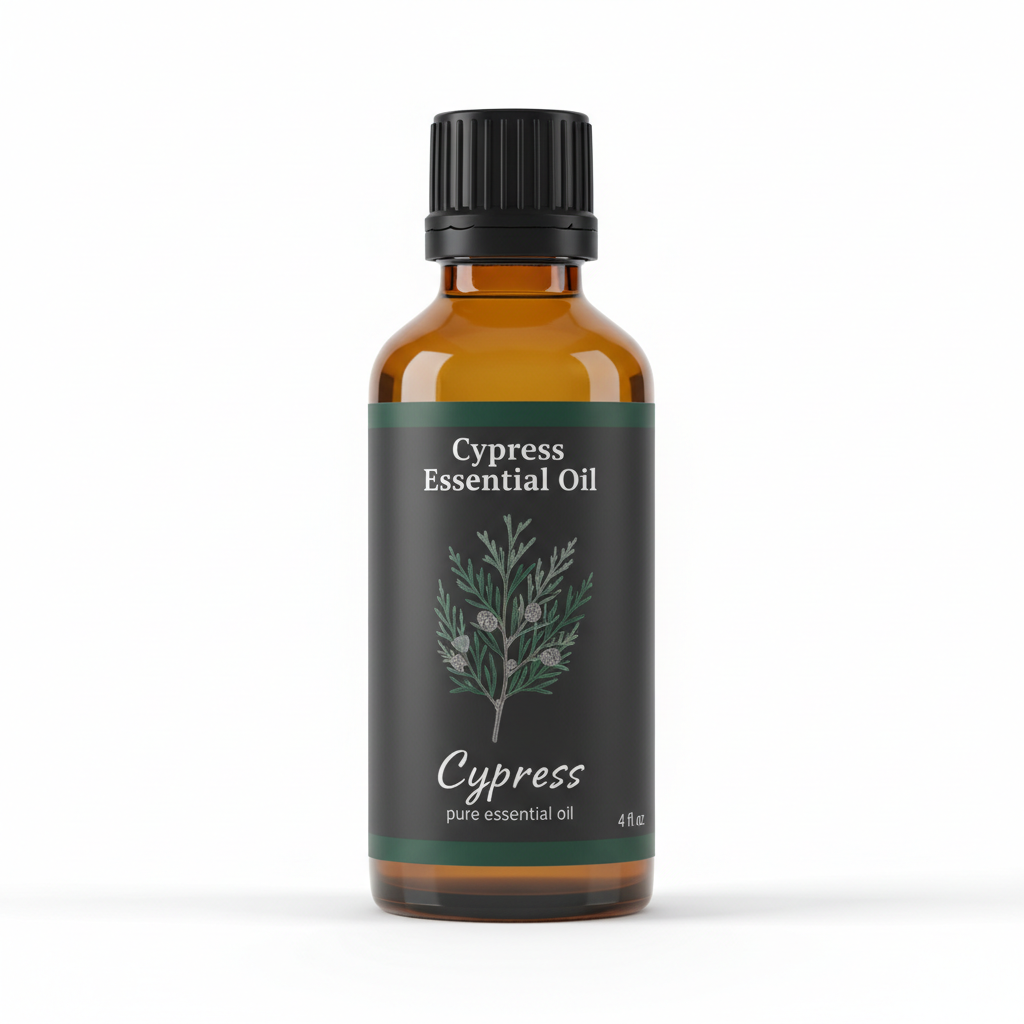
Cypress Essential Oil
Our own Cypress Essential Oil, in sizes from 0.5 oz to bulk.
From $10.99
Shop Now →This guide walks you through that report line by line. We cover the key markers of a quality cypress essential oil purity report, what the numbers mean, what red flags look like, and how to match your purchase to your budget without compromising on quality.
What Is a GC/MS Report and Why Does It Matter?
GC/MS testing is the industry benchmark for essential oil analysis. The gas chromatography portion separates the volatile compounds in an oil sample. The mass spectrometry portion identifies and quantifies each one. The result is a detailed chemical fingerprint.
For cypress essential oil specifically, this fingerprint matters because the oil can be adulterated relatively easily. Cheaper conifer oils, synthetic isolates, or carrier oils can be blended in without obvious signs to the naked nose. A GC/MS report from a credible third-party laboratory makes adulteration very difficult to hide.
Reputable suppliers publish these reports, batch by batch, either on their product pages or available on request. If a company cannot or will not provide one, that is your first red flag.
The Key Compounds to Check First
Cypress essential oil is steam-distilled from the branches and cones of Cupressus sempervirens. Its chemical profile is fairly distinctive, dominated by a handful of monoterpenes and sesquiterpenes. Here is what you should look for on any legitimate cypress oil GC/MS report.
Alpha-Pinene: The Primary Marker
Cypress oil pinene content is the single most important number on the report. Alpha-pinene is typically the dominant compound in a genuine Cupressus sempervirens oil, and it should appear in a range of roughly 40% to 65%. Some high-quality batches, particularly from certain Mediterranean growing regions, can reach the upper end of that range or slightly beyond.
If alpha-pinene is absent, extremely low (under 30%), or suspiciously high (over 70%), the oil warrants scrutiny. Very high pinene with few supporting compounds can indicate the addition of synthetic alpha-pinene or a blend with pine or fir fractions. Very low pinene may suggest adulteration with a different base oil or incomplete distillation.
Delta-3-Carene
Delta-3-carene is the second compound worth checking immediately. Authentic cypress oil typically contains between 15% and 30% delta-3-carene. This compound contributes the dry, woody, slightly resinous character that makes cypress so valued in perfumery and diffusion blends. A report showing very little delta-3-carene alongside high pinene should raise questions, because that combination does not match the expected Cupressus sempervirens profile.
Supporting Compounds
A genuine oil will show a range of supporting compounds in smaller percentages. These include:
- Beta-pinene: Usually present at 2% to 8%, supporting the overall pinene character without dominating.
- Limonene: Typically present at low levels, often between 2% and 6%, contributing a faint citrus-adjacent brightness.
- Terpinolene: A minor but consistent compound in authentic profiles, usually under 5%.
- Cedrol: A sesquiterpene alcohol that adds depth. Levels vary by harvest and distillation method but are generally under 10%.
- Alpha-terpinyl acetate: Present in some batches, particularly those from French-grown material, at modest percentages.
No single supporting compound makes or breaks a report, but the overall pattern should look like a real plant profile, not a simplified list of two or three compounds with suspiciously round numbers.
How to Evaluate the Report Itself
The contents of the report matter, but so does the report's credibility. Here is a quick checklist for assessing the document before you even look at the numbers.
- Third-party laboratory: The analysis should be conducted by an independent lab, not the supplier's own in-house team. Look for a lab name, address, and ideally a report number or accreditation reference.
- Batch number or lot number: The report should correspond to the specific batch you are purchasing. A generic or undated report shared across years of inventory tells you very little about what is actually in your bottle.
- Botanical name: Confirm the report specifies Cupressus sempervirens. Other cypress species (Cupressus lusitanica, Chamaecyparis varieties) produce different chemical profiles and are sometimes sold under the generic "cypress oil" label.
- Country of origin and plant part: A complete report notes where the plant material was grown and which part was distilled (branches, foliage, cones, or a combination).
- Optical rotation and specific gravity: Some reports include these physical parameters. They are not mandatory for a buyer's assessment, but their presence indicates a thorough analysis.
Red Flags in a Cypress Oil GC/MS Report
Knowing what good looks like makes it easier to spot what does not belong. Watch for these warning signs.
- Pinene at unnaturally precise round numbers. A reading of exactly 50.00% alpha-pinene with no decimal variation across multiple batches is statistically unlikely from natural plant material. Real harvests produce variation.
- Missing delta-3-carene. Its absence from a Cupressus sempervirens profile is unusual and worth questioning directly with the supplier.
- Presence of compounds not typical to this species. Linalool at significant percentages, for instance, does not belong in a genuine cypress oil profile. Its presence at more than trace levels may suggest blending with lavender or other high-linalool oils.
- A very short compound list. Authentic essential oils typically show a complex profile of 15 to 40 or more compounds, even if most appear at less than 1%. A report listing only five or six compounds with clean round numbers looks simplified.
- No lab identification. A report with only the supplier's own branding and no independent laboratory name is not a third-party report. It is a document the supplier created.
- Identical reports across multiple batches or years. Natural variation in climate, harvest timing, and distillation means no two batches will be chemically identical. Identical numbers year after year suggest the report is not batch-specific.
Matching Quality to Budget: What Different Price Points Actually Get You
Cypress essential oil sits in a mid-range price tier. Expect to pay more for certified organic material, for single-origin sourcing from France or Corsica, and for small-batch artisan distillers who publish full documentation. Here is a realistic breakdown.
| Price Tier (per 10ml) | What to Expect | GC/MS Availability |
|---|---|---|
| Under $8 | Bulk-sourced oil, often from unnamed origins; may be genuine but documentation is frequently limited or unavailable | Rarely provided; generic reports only |
| $8 to $18 | Mid-tier suppliers; quality varies widely; botanical name usually specified; some batch-specific documentation available | Sometimes available on request |
| $18 to $35 | Reputable specialist suppliers; single-origin sourcing common; organic certification possible; batch-specific GC/MS standard | Published per batch, usually downloadable |
| Over $35 | Artisan or small-batch distillers; direct farm relationships; detailed provenance; some offer wildcrafted material | Full documentation including farm and distillation data |
The mid-to-upper tier is where most committed buyers land for regular use. For occasional diffusion blending or crafting projects, a well-documented mid-tier oil from a supplier willing to share reports is entirely appropriate.
A note on origin: French versus Mediterranean cypress oil can show notably different aromatic profiles even within the same species. French-grown material often carries a slightly softer, more nuanced character, while Spanish or Italian material tends toward a sharper, more resinous profile. Both are genuine. Your preference depends on intended use.
Where to Buy Cypress Oil With Reliable Documentation
Knowing how to read a report only helps if you can actually get one. Here are the sourcing categories most likely to provide genuine cypress oil GC/MS documentation.
Specialist Essential Oil Retailers
Dedicated essential oil companies (as opposed to general wellness retailers) tend to invest more heavily in third-party testing because their reputation depends on it. Look for suppliers who publish batch-specific reports on each individual product page, not a single generic certificate buried in a FAQ section.
Direct-From-Distiller Sources
Some small distillers sell directly to consumers. Documentation from these sources is often the most detailed available, including harvest dates, plant material descriptions, and distillation parameters. The trade-off is that selection may be limited and availability can vary seasonally.
Aromatherapy Trade Suppliers
Suppliers serving professional formulators and cosmetic manufacturers are accustomed to providing full documentation. Many offer both retail and wholesale quantities. Their quality standards are generally high because professional buyers demand them.
What to Avoid
General marketplaces (large e-commerce platforms with third-party sellers) carry significant quality risk for essential oils. Report availability is inconsistent, botanical identity is often unverified, and the low barrier to listing means adulterated or mislabeled oils appear regularly. If you do purchase through a marketplace, insist on a batch-specific GC/MS report before finalizing your decision.
Comparing Cypress Against Related Conifer Oils
If you are still deciding whether cypress is the right oil for your project, comparing its GC/MS profile to related conifers can be instructive. Pine and fir oils share some overlapping compounds but differ meaningfully in their overall profiles and aromatic characters. Our guide to cypress versus pine versus fir essential oil breaks down those distinctions in detail, which can also help you verify that a "cypress" oil has not been blended with cheaper pine fractions.
Your GC/MS Buyer's Checklist: A Quick Reference
Before placing any order for cypress essential oil, run through this checklist.
- Is a batch-specific GC/MS report available (not just upon request, but readily accessible)?
- Was the report produced by a named, independent third-party laboratory?
- Does the report confirm Cupressus sempervirens as the botanical source?
- Is alpha-pinene the dominant compound, sitting within the 40% to 65% range?
- Is delta-3-carene present at a meaningful percentage (15% to 30%)?
- Does the overall compound list look complex and botanically plausible?
- Are there any compounds present that do not belong in a Cupressus sempervirens profile?
- Does the report include a batch or lot number that matches what you are purchasing?
- Is the country of origin and plant part specified?
- Does the supplier respond clearly and knowledgeably when you ask questions about sourcing?
Ten questions. A supplier who can answer all ten with documented evidence earns your confidence. One who deflects, offers vague answers, or cannot produce a current batch report probably should not earn your purchase.
Reading a cypress oil GC/MS report well takes a little practice, but the core skill is simple: know what the genuine profile looks like, check the key markers first, and pay attention to the credibility of the document itself. The numbers do not lie. Suppliers who know this welcome the scrutiny.