
Hinoki and Japanese Cypress Oil: The Forest Woods of Japan
There is a particular quality to old-growth Japanese forests that has inspired artists, architects, and perfumers for centuries. At the centre of that sensory experience is Chamaecyparis obtusa, the hinoki cypress, a tree so revered in Japan that its timber has been used to construct Shinto shrines and imperial bath houses for over a thousand years. The essential oil pressed and steam-distilled from its wood, leaves, and roots carries forward that same quiet dignity. Hinoki cypress essential oil has become one of the more studied aromatic materials in botanical research, and the findings are genuinely worth exploring in depth.
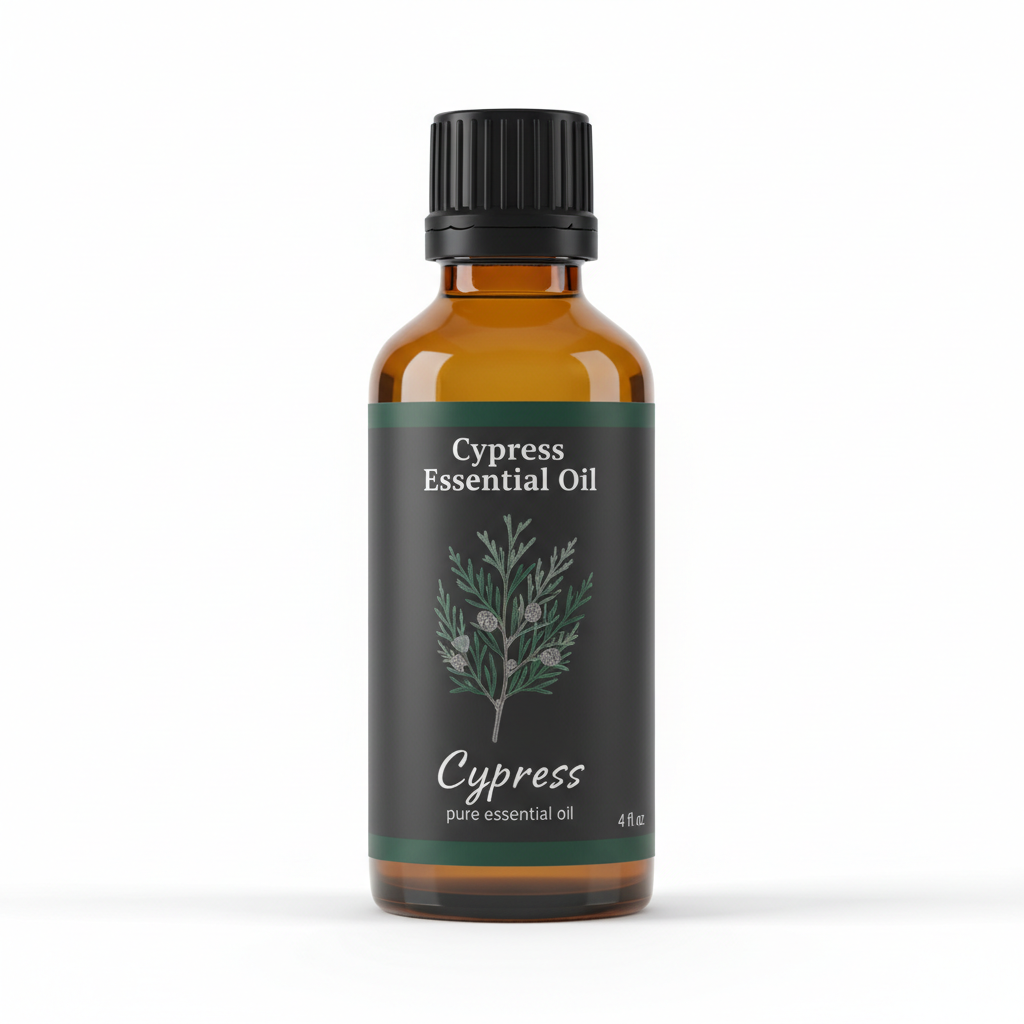
Cypress Essential Oil
Our own Cypress Essential Oil, in sizes from 0.5 oz to bulk.
From $10.99
Shop Now →If you are new to the broader cypress family, a good starting point is our complete guide to cypress essential oil, which covers the genus overview before you dive into species-specific detail.
Botanical Identity and Sourcing Origins
Chamaecyparis obtusa is native to central Japan and Taiwan, where it thrives in cool, moist mountain environments. It is a slow-growing conifer, sometimes living for two thousand years, which is one reason why sustainably sourced hinoki oil commands a higher price than many comparable wood oils. Japanese cypress essential oil is also produced from a related species, Chamaecyparis lawsoniana, though the two differ meaningfully in chemical composition. When shopping, species accuracy matters.
Distillation material can come from several parts of the tree. Heartwood distillation produces the richest, most resinous oil, with a deep, warm, slightly camphoraceous base. Leaf distillation yields a greener, sharper profile. Root and sawdust distillation, common in production facilities adjacent to Japanese timber mills, provides an economical source of oil but can shift the chemical fingerprint considerably. Quality suppliers will specify which plant part was used.
Chemical Composition: What Is Actually in Hinoki Oil
The aromatic character of hinoki cypress essential oil is driven by a relatively well-characterised set of compounds. Understanding them individually helps explain both the scent profile and the research interest surrounding this oil.
Alpha-Pinene and Beta-Pinene
Pinenes are bicyclic monoterpenes found across the conifer family. In hinoki heartwood oil, alpha-pinene is often the dominant constituent, typically present at concentrations between 20 and 40 percent depending on the distillation source and geographic origin. Pinenes contribute the bright, resinous, forest-fresh top note that makes hinoki oil immediately recognisable. Research published in various botanical journals has examined pinene compounds for their interactions with olfactory receptors, and some researchers have noted their prevalence in forest environment studies, particularly in the Japanese concept of shinrin-yoku (forest bathing).
Sabinene
Sabinene is a monoterpene with a warm, slightly spicy, woody character. It frequently appears at significant concentrations in hinoki leaf oils and contributes complexity to the overall aroma. Some compositional studies note sabinene at levels of 10 to 25 percent in leaf-derived oils, which is higher than is typically found in Mediterranean cypress (Cupressus sempervirens).
Limonene
A widely distributed monoterpene, limonene adds a subtle citrus brightness to the hinoki oil aroma. Its presence is more variable across different distillation batches and plant parts, but it is almost always detectable in gas chromatography analysis of authentic hinoki oils.
Terpinen-4-ol
This compound, familiar to anyone who has studied tea tree oil, appears in some hinoki oil analyses at modest concentrations. Research suggests terpinen-4-ol is worth noting in compositional studies, though its presence in hinoki is secondary compared to the pinene-dominant profile.
Elemol and Other Sesquiterpenes
Heartwood-distilled hinoki oil often contains a meaningful proportion of sesquiterpene alcohols, with elemol being one of the more frequently reported. Sesquiterpenes are heavier molecules with lower volatility, which is why heartwood oil has a more anchored, longer-lasting dry-down compared to leaf oil. Elemol contributes a soft, woody, slightly floral base note that is characteristic of aged or matured hinoki oil.
Borneol
Borneol is a bicyclic monoterpene alcohol with a distinctive camphoraceous, earthy quality. Its presence in hinoki oil at low to moderate concentrations adds depth without overwhelming the cleaner pinene top notes.
Research Observations: What the Studies Suggest
Hinoki cypress essential oil has attracted genuine scientific attention, particularly within Japan, where research into forest environments and volatile organic compounds is well-funded and ongoing. The following observations reflect findings from published studies, framed accurately as research observations rather than established conclusions.
Olfactory and Atmospheric Research
Several Japanese studies examining the chemical composition of forest air in hinoki plantations have identified alpha-pinene, limonene, and sabinene as primary phytoncides, a term for the volatile compounds emitted by trees. Research from Nippon Medical School and related institutions has observed physiological responses in participants during forest walks, though the studies design makes it difficult to isolate the role of any single compound or oil. The hinoki oil aroma is genuinely one of the most studied forest scents in this body of literature.
Calming Atmosphere Studies
Some smaller human-subject studies have used inhalation of hinoki volatile compounds and measured autonomic nervous system indicators such as heart rate variability and salivary cortisol levels. Research suggests that participants in some of these trials showed changes consistent with a more relaxed physiological state during hinoki inhalation sessions compared to control conditions. These are preliminary observations. The studies are often small, the methodology varies, and no firm conclusions can be drawn from the current body of evidence.
Skin and Surface Contact Research
Laboratory studies have examined hinoki oil and individual constituents in in-vitro settings. Some research observations note interactions with certain cellular processes, but in-vitro findings frequently do not translate to real-world outcomes, and no clinical conclusions are warranted from this work for cosmetic or any other use without much larger trials.
Insect Repellent Properties
One area of hinoki research with a longer history involves its use in Japanese woodworking as a natural deterrent to insects. Some studies suggest that elemol and related sesquiterpene alcohols may contribute to this observed property. Traditional Japanese wood selection for food storage and building interiors has long favoured hinoki partly for this reason, and contemporary research suggests there may be a biochemical basis for that traditional preference.
Hinoki Oil Aroma: A Sensory Profile
Describing the hinoki oil aroma well requires moving away from simple comparisons. It is woody, certainly, but not in the dry or dusty way of cedarwood. There is brightness from the pinenes, warmth from borneol and elemol, and an overall impression that is clean without being sharp. Japanese aesthetics have a word for this quality: shibui, meaning a refined, understated beauty. The scent fits that description precisely.
In perfumery, hinoki is used as both a mid-note and a base-note contributor depending on the distillation fraction. Heartwood oil functions as a base, anchoring brighter citrus or floral accords. Leaf oil works higher in the composition, adding forestlike clarity to green or aquatic blends.
For those interested in comparing hinoki against other conifer-derived oils, our article on cypress essential oil substitutes and close matches explores how different species compare in both aroma and chemical character.
Safety Profile and Contraindications
Hinoki cypress essential oil has a reasonable safety profile when used within established dilution guidelines, but there are several considerations worth knowing before adding it to a routine.
Skin Sensitisation Risk
Some individuals report skin sensitisation reactions to pinene-rich oils, particularly when the oil has been oxidised through improper storage. Alpha-pinene and delta-3-carene (sometimes present in hinoki) are known sensitisers in their oxidised forms. Always store hinoki oil in a dark, cool environment, tightly sealed, and replace the oil if it has been open for more than one to two years. Oxidised oils carry meaningfully higher sensitisation risk.
For topical use, standard cosmetic dilution guidelines recommend 1 to 2 percent in a carrier oil for most body applications. A patch test on a small area of inner arm skin is advisable before wider use, particularly for those with sensitive skin. For a broader look at dilution and safety practices across the cypress family, see our article on cypress essential oil phototoxicity, dilution, and safety.
Phototoxicity
Hinoki cypress essential oil is not considered a phototoxic oil under standard evaluation criteria. It does not contain the furanocoumarins associated with phototoxic citrus oils. However, combining it with other oils in a blend requires checking each ingredient individually.
Pregnancy and Nursing
As a precautionary standard across most essential oils, pregnant individuals and those who are nursing should consult a qualified healthcare provider before using hinoki oil in any topical or inhalation application. The pinene content and overall potency of the oil warrant professional guidance in these circumstances.
Children and Pets
Diffusing conifer-rich oils around very young children or in spaces shared with cats requires care. Cats lack certain liver enzymes needed to process some terpene compounds, and high-concentration diffusion in enclosed spaces may be problematic. Consult a veterinarian if in doubt.
Pre-existing Conditions
Anyone managing a respiratory condition should seek advice from a qualified healthcare provider before using high-concentration diffusion of any essential oil, including hinoki. Essential oils are potent aromatic materials and should always be used thoughtfully.
Sourcing and Quality Indicators
The quality of hinoki cypress essential oil varies considerably in the market, and understanding what to look for protects both your investment and your safety.
Botanical Name Accuracy
The label should specify Chamaecyparis obtusa for authentic Japanese hinoki. Oils labelled simply as "Japanese cypress" without a Latin name may be from a different species or blended material. Some suppliers substitute with Thuja species, which have a very different chemical profile and a less favourable safety picture, particularly due to thujone content.
Country of Origin
The most prized hinoki oils come from Japan, particularly from Kiso Valley in Nagano Prefecture, where sustainably managed hinoki forests have been maintained for generations. Taiwanese production is also reputable, with some producers focusing on waste-wood and sawdust distillation from timber operations, which is an ecologically sound approach when well-managed.
Gas Chromatography and Mass Spectrometry Reports
A reputable supplier of japanese cypress essential oil should be able to provide a GC/MS report for each batch. Review this for the presence of alpha-pinene as a dominant compound, and check for the absence of thujone, which would indicate adulteration with cedar leaf or similar material. The report should include the batch number, distillation date, and plant part used.
Distillation Method and Plant Part
Steam distillation is the standard and preferred method. Supercritical CO2 extraction is used by some specialty producers and yields a somewhat fuller chemical profile, including heavier sesquiterpene fractions that steam may not fully capture. Specify whether you want heartwood, leaf, or root oil based on your intended use: heartwood for deeper, warmer aromatic applications; leaf for brighter, fresher diffusion blends.
Price as a Quality Indicator
Authentic Japanese heartwood-distilled hinoki oil is not inexpensive. The slow growth rate of the tree and the sustainable forestry practices required to source it responsibly contribute to a higher price point. If a bottle of hinoki oil is priced similarly to common lavender or eucalyptus oil, it is worth questioning the source. Very low-cost options are often diluted, adulterated, or from unverified botanical origins.
A Note on Sustainability
Hinoki is a tree of genuine ecological and cultural significance. Japan has implemented forest certification programmes to manage hinoki harvesting responsibly, and buyers can look for oils that reference Forest Stewardship Council (FSC) certification or equivalent Japanese forestry standards. Purchasing from producers who are transparent about their supply chain is one of the most meaningful ways to support both quality and conservation.
Hinoki cypress essential oil occupies a distinctive position in the world of botanical aromatics. The research interest surrounding it is real, the chemistry is well-characterised, and the sourcing landscape rewards careful attention. For anyone building a serious aromatic collection or formulating cosmetic products with a Japanese-inspired aesthetic, it is an oil that holds up to scrutiny at every level.