
Cypress Rotundus Oil Explained: Clearing Up a Common Mix-Up
If you have ever searched for cypress essential oil and stumbled across something called "cypress rotundus oil" or "cypress rotunda oil," you are not alone in feeling confused. The names look similar. They both appear in aromatherapy and cosmetic contexts. And somewhere along the way, the two became tangled together in product listings, blog posts, and buyer guides.
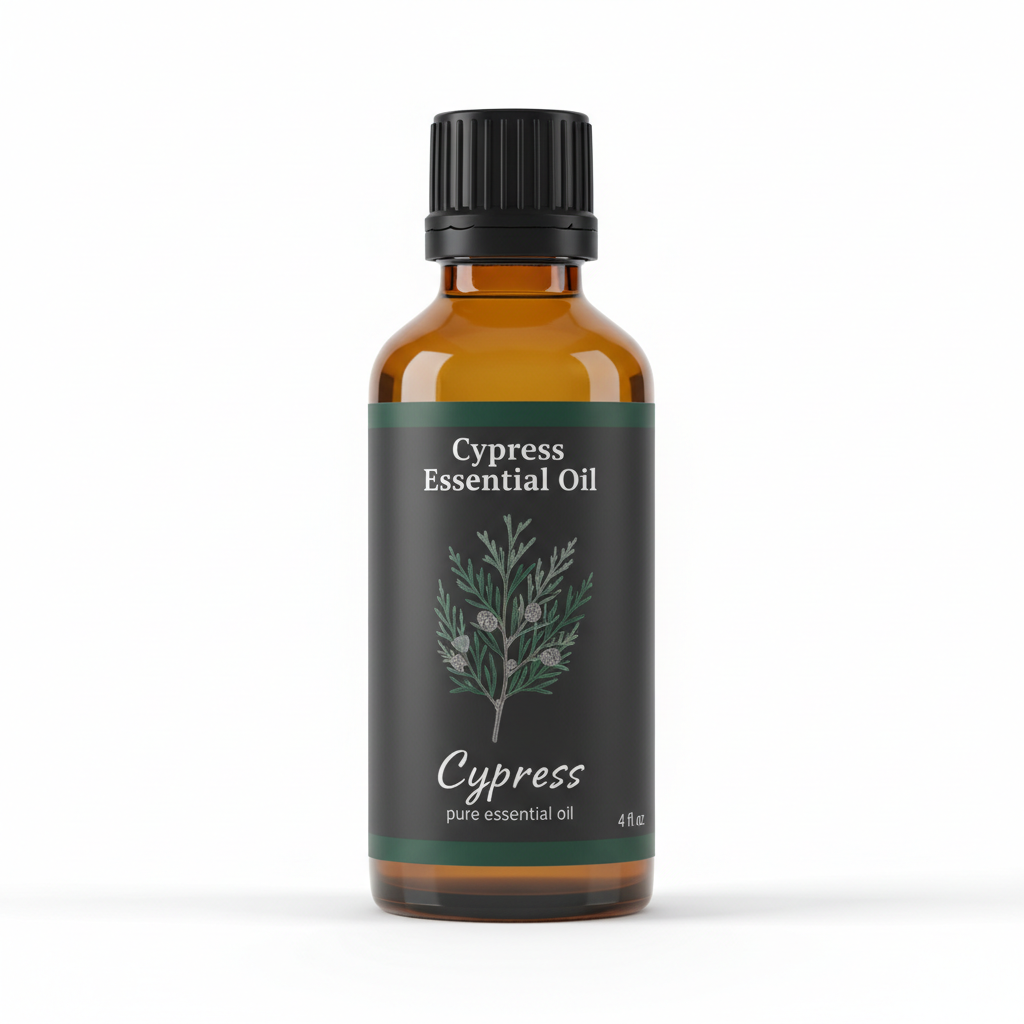
Cypress Essential Oil
Our own Cypress Essential Oil, in sizes from 0.5 oz to bulk.
From $10.99
Shop Now →The reality is that these are two completely different botanical ingredients with different origins, different scent profiles, and very different histories of use. Getting them mixed up is an easy mistake, but it matters, especially if you are sourcing oils for a specific aromatic purpose or checking ingredients in a cosmetic formulation.
This article walks through the most common myths surrounding cypress rotundus oil and sets the record straight with clear, evidence-based context. If you want a broader foundation first, the complete guide to cypress essential oil is a good place to start before diving into this comparison.
First, Let's Sort Out the Names
Before getting into the myths, a quick botanical grounding helps.
Cypress essential oil comes from Cupressus sempervirens, the tall, column-shaped Mediterranean cypress tree. Its oil is steam-distilled from the needles, twigs, and sometimes cones. The scent is green, woody, and slightly resinous. You can read more about how cypress essential oil is made for a closer look at that process.
Cyperus rotundus is an entirely different plant. It is a sedge, not a tree. Also called nutgrass or purple nutsedge, it is a low-growing, grass-like plant found widely across tropical and subtropical regions. The oil is extracted from its underground tubers, called rhizomes or nutlets, not from needles or bark. Its scent leans earthy, warm, and slightly smoky, with woody and spicy undertones that have more in common with vetiver or patchouli than with conifer-family oils.
The confusion comes entirely from the name. "Cypress" in "Cyperus rotundus" is a coincidental linguistic overlap, not a botanical relationship. The two plants belong to entirely different families: Cupressaceae for the tree, and Cyperaceae for the sedge.
Myth 1: Cypress Rotundus Oil Is Just Another Name for Cypress Essential Oil
The Myth
Many buyers assume that "cypress rotundus oil" is simply a more technical or Latin-sounding label for the cypress oil sold by most aromatherapy suppliers. Some product listings contribute to this idea by using both terms interchangeably.
The Fact
They are not the same product in any sense. Cupressus sempervirens and Cyperus rotundus share zero botanical overlap. Research on the chemical composition of Cyperus rotundus oil identifies compounds such as cyperene, cyperol, mustakone, and alpha-cyperone as characteristic constituents. These are largely absent from Cupressus sempervirens oil, which instead features alpha-pinene as its primary component, alongside delta-3-carene, limonene, and cedrol.
The scent profiles confirm the difference immediately. Cyperus rotundus oil has a distinctly earthy, root-forward quality. True cypress oil is crisp, green, and coniferous. Anyone who has smelled both side by side would not confuse them.
Why the Myth Exists
The Latin word cyperus derives from ancient Greek roots used historically for sedge plants. Cupressus, the genus for cypress trees, has a similar sound. Over centuries, the words evolved in parallel but separately. In the modern essential oil market, where Latin names are often abbreviated or paraphrased in product copy, this phonetic similarity creates real confusion for buyers who are not checking the full botanical name on the label.
Myth 2: "Cypress Rotunda Oil" Is a Misspelling and Not a Real Ingredient
The Myth
Some people dismiss "cypress rotunda oil" as a typo or a made-up name invented by sellers who do not know their botany. The thinking goes: the plant is Cyperus rotundus, so any other spelling must be an error with nothing real behind it.
The Fact
"Cypress rotunda oil" is indeed a non-standard name, but it is not pointing to a fictional ingredient. Evidence indicates it is almost always a phonetic or informal rendering of Cyperus rotundus oil, used in markets where the Latin name is simplified for non-specialist audiences. You will see this most often in South and Southeast Asian wholesale listings, Ayurvedic ingredient catalogs, and some natural cosmetics supplier databases.
So the ingredient is real. The name is informal and imprecise, which is exactly why it causes so much confusion. When you see "cypress rotunda oil" in a formulation or product description, the safest approach is to ask the supplier for the full INCI name or the complete Latin binomial. That single step removes all ambiguity.
Why the Myth Exists
Ingredient naming in the global essential oil trade is genuinely inconsistent. Common names vary by region, language, and market tradition. Cyperus rotundus goes by at least a dozen common names across different cultures, including nagarmotha (Hindi), musta (Sanskrit), and nut grass (English). "Cypress rotunda" appears to have emerged as a shorthand in certain export markets, and it stuck. The inconsistency is a sourcing reality, not evidence that the ingredient does not exist.
Myth 3: The Two Oils Smell Similar, So They Can Be Used Interchangeably in Formulations
The Myth
Given that some descriptions of both oils mention woody or earthy notes, a reasonable assumption might be that they are close enough in character to swap in a blend or cosmetic formula without much difference in the final result.
The Fact
The scent profiles are genuinely distinct, and substituting one for the other would produce a noticeably different aromatic result. Research suggests that Cyperus rotundus oil behaves as a base note in perfumery, with its heavy, rooty earthiness anchoring blends in ways similar to vetiver or costus. True cypress oil, by contrast, is considered a middle to top note with a fresh, green, almost aquatic woodiness. You can explore that profile in detail in the guide to what cypress essential oil smells like.
In cosmetic formulations, the two also differ in extraction source, which affects the nature of the volatile compounds present. Using one in place of the other is not a neutral substitution. It changes the aromatic direction of the product.
Why the Myth Exists
Both oils have woody qualities, and in written descriptions that lack nuance, those overlapping descriptors create the impression of similarity. When someone reads "earthy, woody" for one and "woody, resinous" for the other without smelling either, it is natural to assume they are in the same olfactory neighborhood. They are not close enough for interchangeable use in any serious formulation context.
Myth 4: Cyperus Rotundus vs Cypress Oil Is a New Debate Caused by Modern Marketing
The Myth
Some commentators suggest that the cyperus rotundus vs cypress oil confusion is a recent phenomenon driven by online marketplaces and social media, implying that educated buyers of previous generations would have had no trouble telling them apart.
The Fact
Historical evidence indicates that these two plants have been documented separately for a very long time, but that does not mean they were always clearly distinguished in trade. Cyperus rotundus has a documented history of use in Ayurvedic and traditional Egyptian contexts going back thousands of years, recorded under various names. Mediterranean cypress has an equally ancient presence in European and Middle Eastern traditions. The botanical literature kept them separate, but trade names and folk herbalism did not always follow the same precision.
The modern confusion is amplified by digital marketplaces where product titles prioritize search traffic over accuracy, but the underlying name overlap predates the internet by centuries. This is not a new problem. It is an old one with new amplification.
Why the Myth Exists
It is tempting to attribute most misinformation to modern marketing, and digital platforms do make it easier for inaccurate information to spread quickly. But the phonetic similarity between Cyperus and Cupressus is inherent to the words themselves, not a product of any marketing era. The confusion has simply found new channels.
A Quick Reference: Cypress Oil vs. Cyperus Rotundus Oil
| Feature | Cypress Essential Oil | Cyperus Rotundus Oil |
|---|---|---|
| Botanical name | Cupressus sempervirens | Cyperus rotundus |
| Plant family | Cupressaceae (cypress family) | Cyperaceae (sedge family) |
| Plant type | Tall evergreen tree | Low-growing sedge / grass-like plant |
| Extraction source | Needles, twigs, cones | Underground tubers (rhizomes) |
| Key aromatic notes | Green, coniferous, fresh wood | Earthy, smoky, root-forward |
| Perfumery role | Middle to top note | Base note |
| Primary constituents | Alpha-pinene, delta-3-carene, cedrol | Cyperene, cyperol, alpha-cyperone |
| Common alternate names | Italian cypress oil, Mediterranean cypress oil | Nagarmotha oil, nutgrass oil, musta oil |
How to Make Sure You Are Buying What You Intend to Buy
A few practical habits will protect you from mix-ups at the point of purchase.
- Check the full Latin binomial on the label. Cupressus sempervirens is cypress oil. Cyperus rotundus is nutgrass oil. Neither name should be abbreviated in a quality product.
- Look for the plant part and extraction method. Cypress oil comes from aerial plant parts via steam distillation. Cyperus rotundus oil comes from tubers, often via steam distillation as well, but some suppliers use solvent or CO2 extraction for the rhizome material.
- Ask for a gas chromatography report (GC/MS) from the supplier. Reputable essential oil suppliers provide these on request. The chemical fingerprint will confirm exactly which oil you have received.
- Smell before committing to bulk. If a supplier offers samples, use them. The two oils smell nothing alike, and your nose is a reliable first filter.
- Be cautious with listings that use informal names. "Cypress rotunda oil" or "rotunda cypress" in a product title without a confirmed Latin name is a reason to ask more questions, not to proceed on assumption.
The essential oil market rewards informed buyers. Knowing the botanical names, understanding the extraction source, and asking for documentation are habits that pay off consistently, regardless of which oils you are sourcing.
Cypress essential oil has a lot to offer on its own terms, from its distinctive green-wood scent to its long history in perfumery and cosmetic formulation. Getting clear on what it is, and what it is not, is the first step toward using it well.