
Buying Cypress Essential Oil Online: A First Order Checklist
Ordering a new essential oil for the first time should feel exciting, not overwhelming. Cypress essential oil has a clean, woody, green-forest scent that works beautifully in diffuser blends, skincare rituals, and room sprays. But the online marketplace is crowded, and quality varies enormously between sellers. One bottle can smell like a walk through a coastal pine forest. Another can smell flat, synthetic, or simply wrong.
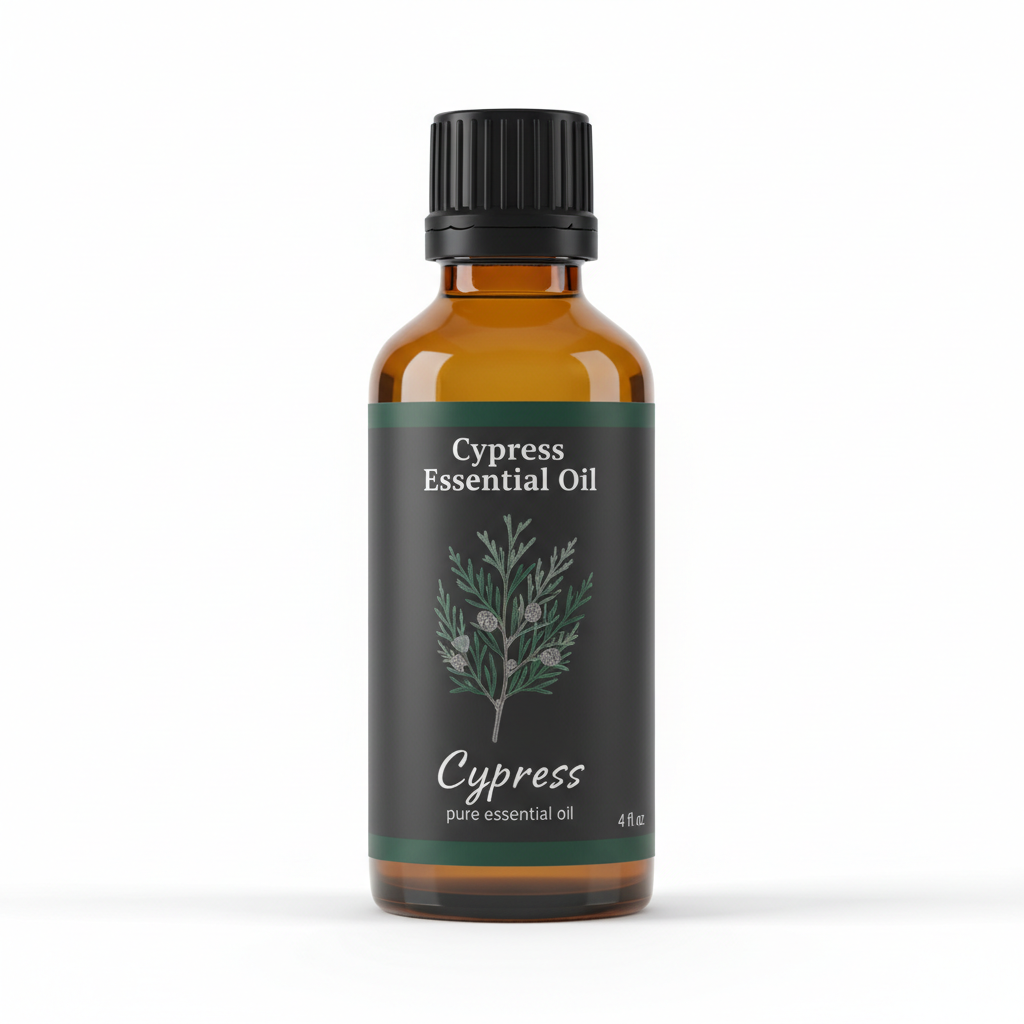
Cypress Essential Oil
Our own Cypress Essential Oil, in sizes from 0.5 oz to bulk.
From $10.99
Shop Now →This checklist walks you through every step of a smart first purchase: what to look for, what to ask, and what to skip entirely. Keep it open in a browser tab while you shop.
What You Will Need Before You Start
Before you open a single product page, gather a few pieces of information. Having these ready will make comparison shopping much faster.
- Your intended use. Diffusing, skincare blending, candle making, and linen sprays each call for slightly different volume considerations. Knowing your use case upfront helps you choose the right bottle size.
- A baseline price range. Pure cypress essential oil (Cupressus sempervirens) from a reputable source typically costs more than synthetic fragrance oils marketed under similar names. If a price looks startlingly low, that is worth investigating before you click buy.
- A short list of trusted seller criteria. We cover exactly what those criteria are in the steps below.
- A patch-test plan. If you intend to use your oil in a leave-on skin product, plan to dilute and patch-test before full use. More on this in the safety section.
The Checklist: Step by Step
Step 1: Confirm the Botanical Name
Every legitimate essential oil listing should display the full Latin botanical name of the plant. For cypress, that is Cupressus sempervirens. This species, native to the Mediterranean, is the standard in cosmetic and aromatic applications.
Some sellers list oils simply as "cypress oil" without further detail. This is a red flag. Related species such as Cupressus lusitanica (Mexican cypress) or various Chamaecyparis species exist, and they have different scent profiles and compositions. If no botanical name appears anywhere on the product page, contact the seller and ask directly. A quality vendor will answer promptly and specifically.
Step 2: Check the Part of Plant Used and Extraction Method
Good cypress essential oil is steam-distilled from the fresh twigs and needles (sometimes called the "branchlets") of Cupressus sempervirens. The product page should state both the plant part and the extraction method clearly.
Steam distillation is the standard process. If a product page describes "cold pressed" or "solvent extracted" cypress oil, ask questions. Those methods are not typical for this botanical and could indicate a different product category entirely.
Step 3: Look for a GC/MS Test Report
Gas chromatography/mass spectrometry (GC/MS) testing is the industry benchmark for verifying essential oil purity and composition. A reputable seller will either publish these reports on their product pages or make them available on request.
When you review a GC/MS report for cypress oil, look for alpha-pinene as a primary constituent. It typically makes up a substantial portion of the profile. The presence of delta-3-carene and cedrol is also expected. A report that shows an unusual constituent profile, or a seller who cannot produce one at all, warrants caution.
For a deeper look at what quality markers to prioritize, the complete buyer's guide to cypress essential oil covers GC/MS interpretation in much more detail.
Step 4: Evaluate the Country of Origin
Origin matters for scent character and consistency. Mediterranean-sourced cypress (Spain, France, Morocco, and surrounding regions) is widely regarded as the benchmark for the classic, dry, green-woody profile most blenders seek.
If you are looking to order cypress essential oil within Southeast Asia, sourcing can be a specific challenge. The local climate does not support large-scale cultivation of Cupressus sempervirens, so virtually all quality cypress oil sold in the region is imported. When you buy cypress oil online in the Philippines or neighboring countries, pay close attention to whether the seller discloses the country of origin and provides import documentation or certificates on request. Transparency here is a strong positive signal.
Step 5: Read the Packaging Details
Pure essential oils should always be sold in dark glass bottles, typically amber or cobalt blue. Glass does not interact with the oil the way plastic can, and dark glass limits light exposure that degrades quality over time.
Check that the bottle has a built-in dropper insert (also called an orifice reducer) or is sold with a separate dropper cap. This controls flow and helps prevent accidental over-use. A secure, tamper-evident seal is also worth confirming before your first use.
If you are unsure which bottle size makes sense for your routine, the guide on cypress essential oil sizes and which bottle to order breaks down the practical differences between 5 ml, 10 ml, 30 ml, and larger formats.
Step 6: Vet the Seller
This step takes a few extra minutes but can save real frustration later. Look for the following signals of a trustworthy vendor:
- A physical business address and a working customer service contact, not just a contact form.
- Clear return or satisfaction policies, especially for a first order.
- Detailed, specific product descriptions (not generic copy-pasted text that could apply to any oil).
- Verified reviews that mention scent, freshness, and packaging integrity, not just general satisfaction.
- Disclosure of harvest year or batch numbers, which indicate the seller tracks inventory freshness.
One useful practice: search the seller name alongside terms like "essential oil quality" or "authentic" to see what the broader aromatics community says about them. Enthusiast forums and Facebook groups dedicated to essential oil blending often have candid, experience-based opinions.
Step 7: Calculate Your True Per-Milliliter Cost
Comparing prices across listings is easier when you standardize them. Divide the total price (including shipping) by the number of milliliters in the bottle. This gives you a per-milliliter figure you can actually compare.
A 10 ml bottle listed at a low price might look appealing until you factor in shipping fees. A larger 30 ml bottle from a seller offering free shipping above a threshold can often work out to a noticeably lower per-milliliter cost. If you use cypress oil regularly in diffuser blends or body care recipes, the math usually favors a slightly larger starting size.
For those considering stocking up or blending in volume, the wholesale cypress essential oil guide covers bulk purchasing in practical terms, including what to ask suppliers before committing to larger quantities.
Step 8: Review Shipping and Storage Conditions
Essential oils are sensitive to heat and prolonged light exposure during transit. When you order cypress essential oil online, particularly during warmer months or in tropical climates like the Philippines, ask whether the seller uses insulated packaging or ships with any temperature considerations in mind.
Once your order arrives, store it away from direct sunlight, heat sources, and humidity. A cool, dark cabinet or drawer works well. Properly stored cypress oil has a reasonably long shelf life, but it will degrade faster if left near a window or in a warm kitchen.
Step 9: Plan Your Safety Protocol Before First Use
Essential oils are highly concentrated plant extracts and should always be diluted before skin contact. For most adults using cypress oil in a carrier oil or lotion base, a dilution of 1 to 2 percent is a reasonable starting point for leave-on products. That works out to roughly 6 to 12 drops per ounce of carrier.
Perform a patch test before applying any new blend to a larger area of skin. Apply a small amount of the diluted blend to the inner forearm, cover lightly, and wait 24 hours. If you notice redness, itching, or unusual sensitivity, discontinue use and consult a qualified healthcare provider.
Cypress oil is generally considered suitable for diffusion in well-ventilated spaces, but use caution around young children, pets, and individuals with sensitivities. If you are pregnant, nursing, or managing an ongoing health condition, speak with a qualified healthcare provider before adding new essential oils to your routine.
Common Mistakes to Avoid
- Confusing fragrance oil with essential oil. Many online listings for "cypress fragrance oil" or "cypress scented oil" are synthetic products designed for candles and soaps, not skin use. The word "fragrance" in the product title is the key distinction. If you want pure botanical cypress oil, look specifically for "essential oil" and a GC/MS report.
- Ignoring the harvest or batch date. Freshness affects scent quality. An oil bottled two or three years ago may have oxidized, producing a flat or slightly rancid note. Ask the seller when the batch was distilled or at minimum when it was bottled.
- Ordering from unfamiliar platforms without vetting the specific seller. Large marketplaces allow many third-party sellers, and not all of them adhere to the same quality standards. The platform reputation does not automatically transfer to every listing on it.
- Skipping dilution for skin use. Applying undiluted essential oil directly to skin is called "neat" application. It is not recommended for cypress oil, particularly for regular use. Always blend with a suitable carrier.
- Buying the smallest bottle purely to save money on a first order, then running out quickly. If you plan to use cypress in a diffuser blend three or four times a week, a 5 ml bottle may last only a few weeks. Factor your actual intended use frequency into the volume decision.
What to Expect from a Good Bottle
When your order arrives, open the bottle and take a slow, steady sniff from a distance of a few inches. Quality cypress essential oil from Cupressus sempervirens has a crisp, green, slightly resinous scent with a dry woody base. It is clean without being sharp, and it has a lift to it that many people associate with a cool forest or fresh outdoor air.
If the scent smells heavily synthetic, flat, or oddly sweet, those are signs worth noting. A slight variance between batches is normal in natural botanical products, but a dramatically off-character smell may indicate adulteration or mislabeling.
In a diffuser, cypress blends naturally with citrus oils like bergamot and lemon, other conifers like fir needle and juniper berry, and grounding base notes like cedarwood and sandalwood. Many people find the scent creates a calm, focused atmosphere during morning routines or evening wind-down sessions. Results vary by individual preference and blending ratios.
Your Quick-Reference Checklist Summary
| Step | What to Confirm | Green Light Signal |
|---|---|---|
| 1 | Botanical name | Cupressus sempervirens listed clearly |
| 2 | Plant part and extraction | Twigs/needles, steam distilled |
| 3 | GC/MS report | Available on page or by request |
| 4 | Country of origin | Mediterranean region disclosed |
| 5 | Packaging | Dark glass, dropper insert, tamper seal |
| 6 | Seller credibility | Contact info, returns policy, real reviews |
| 7 | Per-milliliter cost | Calculated including shipping |
| 8 | Shipping and storage | Protective packaging, storage instructions provided |
| 9 | Safety plan | Dilution ratio confirmed, patch test planned |
Shopping for cypress essential oil online does not have to be a guessing game. Armed with the right questions and a clear sense of what genuine quality looks like, you can make a confident first purchase and know exactly what you are getting when the package arrives.