
Cypress Essential Oil Sizes: Which Bottle Should You Order First?
Buying cypress essential oil for the first time can feel surprisingly complicated. The scent itself is straightforward: crisp, woody, faintly green, with that clean Mediterranean character that makes it one of the most versatile oils in any collection. The confusing part is standing in front of a product listing with three or four cypress oil bottle sizes on offer, no clear guidance, and a price gap that sometimes runs into the hundreds of dollars between the smallest and largest options.
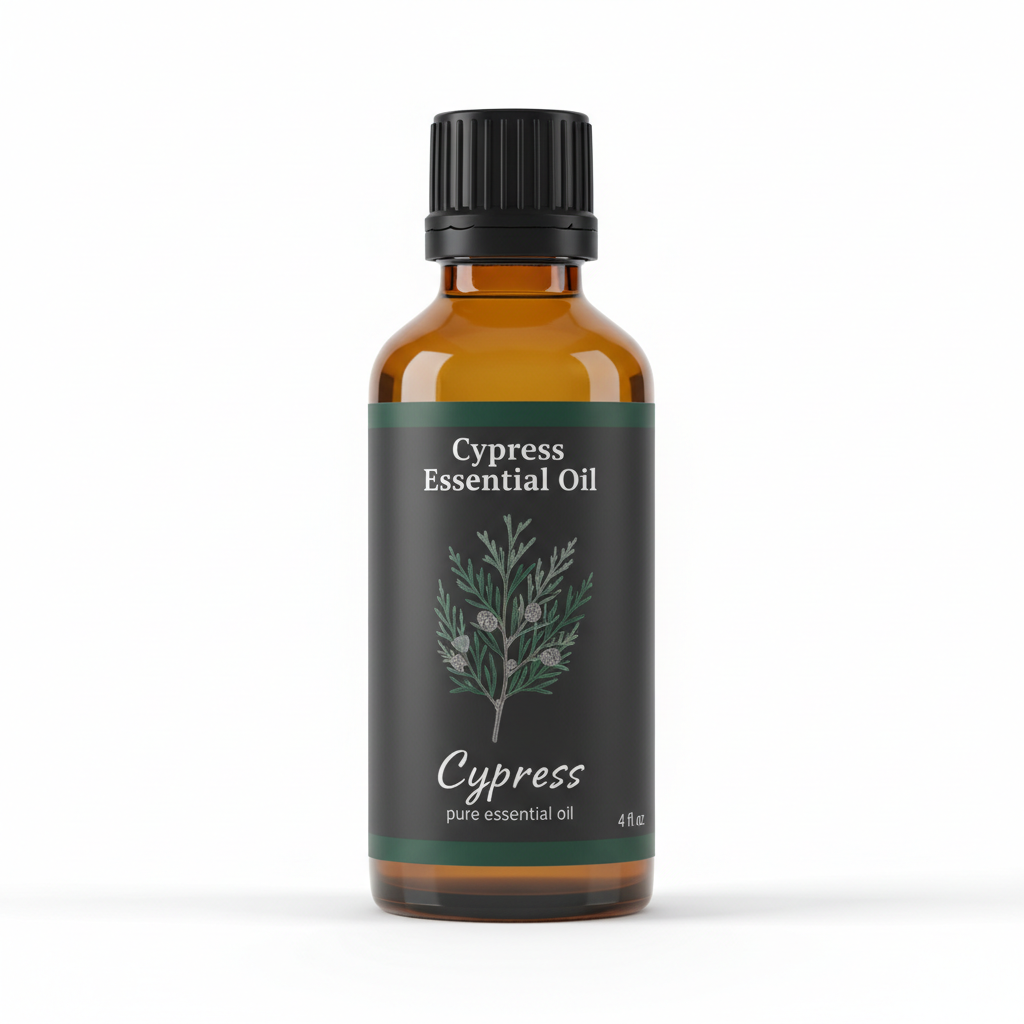
Cypress Essential Oil
Our own Cypress Essential Oil, in sizes from 0.5 oz to bulk.
From $10.99
Shop Now →This guide cuts through the noise. It covers what to look for before you click "add to cart," how to compare sizes honestly, which price points actually deliver quality, and the red flags that suggest a bottle is better left on the virtual shelf.
Why Bottle Size Matters More Than You Might Expect
Cypress essential oil has a shelf life. Properly stored in a cool, dark place, a sealed bottle of pure cypress oil can remain at its best for roughly two to three years. Once opened, that window shortens. Oxidation sets in gradually, and the scent profile begins to shift, losing its sharper, camphoraceous top notes first.
This is the core tension in choosing a size: buy too small, and you run out constantly. Buy too large, and you risk oxidizing more oil than you can use before quality degrades. Getting the size right is genuinely practical, not just a matter of budget.
It also affects cost-per-milliliter significantly. Cypress essential oil sizes typically range from 5 ml up to 1 liter or more for bulk purchasing. The jump in price from a 10 ml bottle to a 30 ml bottle is rarely proportional. Understanding that math helps you spend smarter.
Quality Indicators: What to Look for Regardless of Size
Size is only one variable. A perfectly sized bottle of poor-quality oil is a waste of money at any volume. Before comparing sizes, confirm that a product meets these quality benchmarks.
Botanical Name on the Label
Pure cypress essential oil comes from Cupressus sempervirens, steam distilled from the branches and needles. A label that lists only "cypress oil" without the Latin name is a yellow flag. Reputable suppliers always include the botanical name, and often the country of origin and the plant part used.
GC/MS Testing and Batch Transparency
Gas chromatography/mass spectrometry (GC/MS) testing verifies the chemical composition of an essential oil and confirms it has not been adulterated. Brands that publish these reports, either on their website or on request, are demonstrating a level of accountability that matters. Batch-specific reports are better than generic ones.
For a deeper look at how to read these quality signals before purchasing, see our guide on how to spot pure cypress essential oil before you pay.
Packaging That Protects the Oil
Amber or cobalt glass bottles block UV light and slow oxidation. Dark glass is standard for quality essential oils. If a product arrives in clear glass or plastic, the supplier has cut a corner that directly affects the oil inside. A tight-fitting orifice reducer is also worth noting: it allows controlled dispensing and reduces air exposure between uses.
Scent Profile
Pure cypress oil has a clean, dry, woody scent with faint resinous undertones. It is not sweet, not heavy, and not reminiscent of pine-sol. If a "cypress" oil smells synthetic, excessively sharp, or flat, it has likely been extended with carrier oil, adulterated with cheaper materials, or allowed to oxidize before sale.
Cypress Essential Oil Sizes: A Practical Breakdown
Here is how the most common cypress oil bottle sizes compare across key dimensions.
| Size | Approximate Drop Count | Best For | Typical Price Range |
|---|---|---|---|
| 5 ml | 75-100 drops | Sampling, travel, gift sets | $5-$15 |
| 10 ml | 150-200 drops | First-time buyers, casual diffusing | $10-$25 |
| 15 ml | 225-300 drops | Regular home use, blending | $15-$35 |
| 30 ml (1 oz) | 450-600 drops | Frequent users, DIY formulators | $25-$55 |
| 100 ml+ | 1,500+ drops | Bulk blending, professional use | $60-$200+ |
The Small Bottle Case: 5 ml and 10 ml
A small bottle of cypress oil is almost always the right starting point for a new buyer. The 5 ml size is ideal if you want to evaluate a brand's quality without committing significant money. The 10 ml size offers a more realistic sense of how you will use the oil day-to-day. Both sizes are practical for travel, and they fit easily into a diffuser routine without worrying too much about the bottle sitting open for months.
The trade-off is cost-per-milliliter. You will pay more per drop in a small bottle than in a larger one. That premium is worth it when you are still figuring out whether you enjoy cypress in your diffuser blend, in a linen spray, or in a personal care formulation.
The Mid-Range: 15 ml and 30 ml
Once you know you use cypress regularly, the 15 ml or 30 ml bottle becomes the practical choice. A 30 ml bottle of quality cypress oil from a transparent brand typically offers the best balance of cost efficiency and realistic use-before-oxidation window for a home user who diffuses a few times per week or incorporates cypress into DIY formulations regularly.
This size range also makes sense for anyone experimenting with blending. Cypress pairs well with bergamot, cedarwood, lavender, and citrus oils. Having enough on hand to iterate on a blend without constant reordering is genuinely useful.
Bulk Sizes: 100 ml and Beyond
Bulk cypress essential oil is worth considering only if you have a concrete, high-volume use case: professional fragrance work, large-batch cosmetic production, or resale. If you are purchasing for personal use, a 100 ml bottle will almost certainly outlast its peak quality before you finish it. The math only works in your favor at scale.
If bulk purchasing is on your radar, our dedicated guide on wholesale cypress essential oil and bulk sizes covers supplier considerations, storage requirements, and what to expect from minimum order quantities.
Top Picks at Different Price Points
Rather than naming specific brands (availability and formulations change frequently), here is a framework for evaluating picks at each price tier.
Budget-Friendly (Under $15 for 10 ml)
At this price point, the key question is whether GC/MS documentation is available. Some budget suppliers offer genuinely pure oil at accessible prices by keeping overhead low. Others fill bottles with adulterated product. The differentiator is almost always transparency: does the brand publish batch reports? Is the botanical name listed? Is there a return policy that signals confidence in the product?
Avoid brands in this tier that use vague language like "100% pure natural fragrance oil" rather than "essential oil." Fragrance oils are not essential oils.
Mid-Range ($20-$45 for 15-30 ml)
This is where most reliable everyday brands operate. Mid-range pricing typically supports third-party or in-house GC/MS testing, responsible sourcing from Mediterranean regions where Cupressus sempervirens grows natively, and quality packaging. Look for brands that specify the country of origin (France, Spain, and Morocco are common sources for quality cypress oil) and the distillation method (steam distillation from branches and needles is standard).
Premium ($50+ for 30 ml)
Premium cypress oils may feature certified organic sourcing, single-origin provenance from specific farms or regions, or exceptional vintage-style distillation. These qualities matter to perfumers and serious formulators. For casual diffusing, the quality difference between a solid mid-range oil and a premium one is often subtle.
Premium pricing is justified when sourcing transparency is exceptional, when you have specific formulation standards to meet, or when you simply value knowing exactly where every step of production occurred.
Red Flags to Avoid
Some warning signs appear consistently across problematic products. Keep this list handy when evaluating any new supplier.
- No botanical name on the label. This is non-negotiable for a quality essential oil.
- Unusually low pricing for large volumes. Pure cypress oil has a real cost. A 30 ml bottle priced at $4 is almost certainly not pure.
- Health claims on the product page. Reputable essential oil brands do not make disease-treatment claims. A brand that does is either uninformed about regulations or willing to mislead buyers. Neither is reassuring.
- No GC/MS data available, even on request. If a brand cannot or will not produce testing documentation, there is no way to verify what is in the bottle.
- Clear glass or plastic packaging. UV exposure degrades essential oils. Quality suppliers know this.
- "Cypress blend" without full ingredient disclosure. A blend is not a pure essential oil. If you are buying cypress oil, you should receive cypress oil, not a proprietary mixture with undisclosed components.
Where to Buy Cypress Essential Oil
Direct-from-brand websites generally offer the most transparency. You can read sourcing statements, access GC/MS reports, and often contact the company with specific questions. This is the most reliable channel for quality assurance.
Specialty natural retailers (both physical stores and curated online shops) often stock vetted brands and can be a good source if you want to smell a tester before committing. Staff at dedicated aromatics shops can also speak to sourcing differences between brands in a way that a general marketplace cannot.
Large general marketplaces carry a wide range of cypress essential oil sizes and price points, but quality varies enormously. On these platforms, look for verified purchase reviews that speak specifically to scent accuracy and batch testing, not just general satisfaction. Seller transparency is harder to assess, so prioritize brands that maintain their own independent web presence and documentation.
For a broader overview of how to evaluate suppliers and navigate purchasing decisions before you commit to any channel, the complete buyer's guide to cypress essential oil covers the full landscape in detail.
Making the Final Call
Start with a small bottle of cypress oil from a brand that publishes GC/MS data and names its source region clearly. A 10 ml bottle gives you enough product to evaluate the scent, test it in a diffuser, try a simple diluted application in a carrier oil, and decide whether cypress belongs in your regular rotation.
If you find yourself reordering that 10 ml bottle quickly, move to the 30 ml size from the same supplier. You will save on cost-per-milliliter and reduce shipping frequency without risking a large volume of oil to oxidation.
Reserve bulk and wholesale sizes for when your use is consistent, high-volume, and professional. The per-unit savings are real, but only if you can actually move through the product before quality peaks have passed.
Cypress is a rewarding oil to work with. Its scent holds well in blends, it performs consistently in diffusion, and it layers nicely in personal care formulations. Getting the size right from the start just means you spend less time managing logistics and more time enjoying what the oil actually does.