
Wholesale Cypress Essential Oil: A Guide to Bulk Sizes and Pricing
Sourcing wholesale cypress essential oil is a different exercise than picking up a 10 ml bottle for your diffuser. The stakes are higher, the variables are more numerous, and a poor purchasing decision at scale can ripple through an entire product line. This guide is written for cosmetic formulators, soap makers, candle brands, spa buyers, and boutique retailers who want to buy with clarity rather than guesswork.
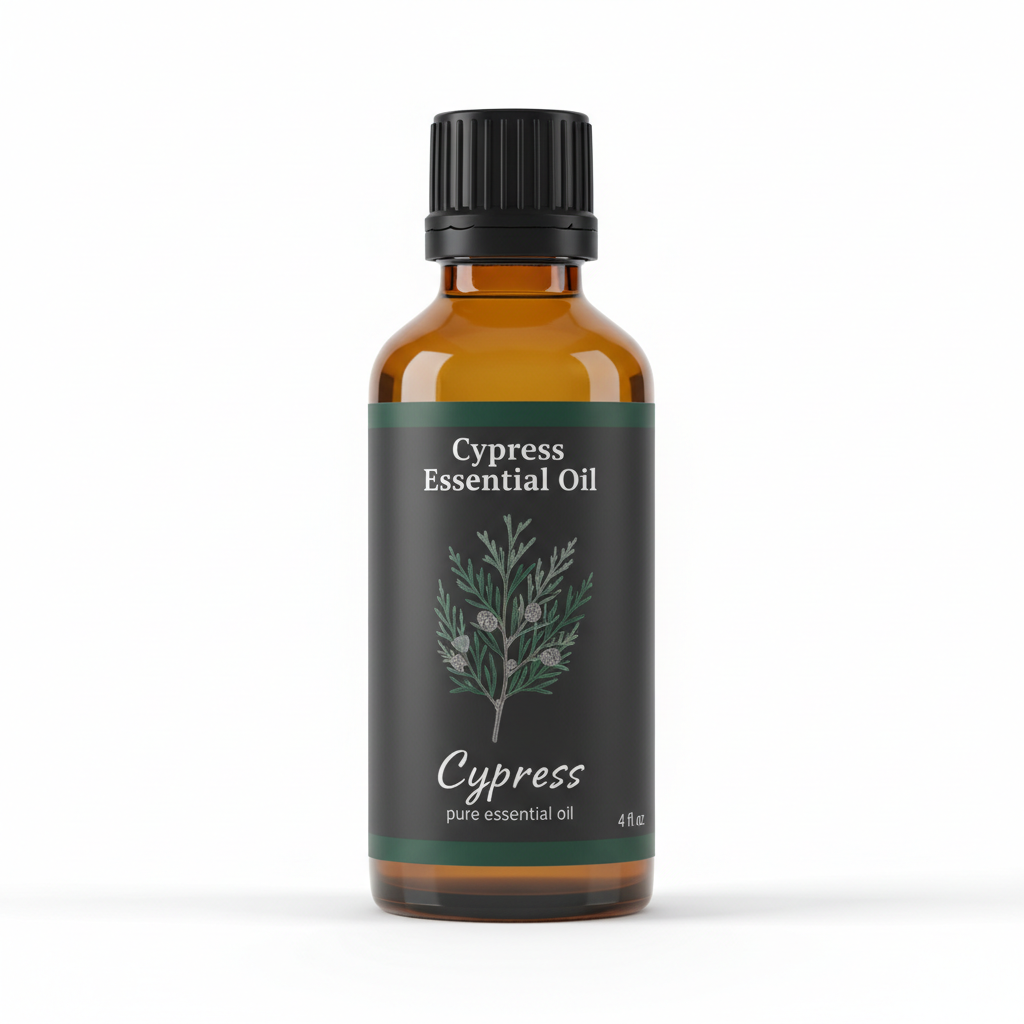
Cypress Essential Oil
Our own Cypress Essential Oil, in sizes from 0.5 oz to bulk.
From $10.99
Shop Now →We will walk through quality indicators, packaging formats, price benchmarks, supplier red flags, and where to buy. If you are newer to sourcing and want a broader orientation first, the complete buyer's guide to cypress essential oil is a good place to start before returning here.
Why Cypress Oil Is Worth Buying in Bulk
Cupressus sempervirens, the Mediterranean cypress, produces an oil that blends with exceptional versatility. Its profile sits somewhere between fresh conifer, soft woody warmth, and a faint citrus brightness. That range makes it a workhorse in men's grooming lines, unisex fragrances, room sprays, bath products, and massage blends.
Demand is steady rather than trend-dependent, which matters when you are committing to a large purchase. Cypress does not spike and crash the way some trendy botanicals do. For a formulator building SKUs that need to stay on shelves for more than one season, that stability is genuinely valuable.
Bulk pricing also unlocks meaningful margin. The cost-per-milliliter difference between a retail 15 ml bottle and a 1-kilogram wholesale purchase can be dramatic, sometimes exceeding 60 to 70 percent. That gap is what makes the logistics of bulk sourcing worth the effort.
Quality Indicators: What to Evaluate Before You Buy
Price per kilogram is only one number. The more important question is what you are actually getting for that number. Cypress oil quality varies considerably depending on origin, part of plant distilled, distillation method, and post-production handling.
Botanical Source and Plant Part
True Cupressus sempervirens oil is steam-distilled from the young twigs and needles, sometimes with cones included. Needle-and-twig distillations tend to produce a greener, fresher character. Cone-forward distillations can read slightly drier and woodier. Neither is inherently superior; the right choice depends on your end application. What matters is that the supplier can tell you which they are selling.
Some suppliers offer Cupressus arizonica (Arizona cypress) or other species under a generic cypress label. These are different oils with meaningfully different scent profiles. Always confirm the Latin binomial on the certificate of analysis.
Gas Chromatography / Mass Spectrometry (GC/MS) Reports
A reputable wholesale supplier will provide a GC/MS report for every batch. This document shows the chemical composition of the oil and is the primary tool for detecting adulteration. For Cupressus sempervirens, look for alpha-pinene as a dominant constituent, typically in the range of 40 to 65 percent depending on origin and season. Significant deviations from expected ranges warrant follow-up questions.
If a supplier does not offer GC/MS reports, or if the reports are undated and clearly reused across multiple batches, that is a serious concern. For a deeper look at reading these documents, see our guide on how to spot pure cypress essential oil before you pay.
Organoleptic Properties
Request a sample before committing to any significant volume. Smell the oil on a blotter strip, then again after 30 minutes as the top notes dissipate. Genuine cypress should smell clean and resinous with no synthetic sharpness, no off notes suggesting residual solvents, and no cloying sweetness that might indicate adulteration with synthetic linalool or other adulterants.
Specific Gravity and Refractive Index
These physical parameters appear on a well-prepared certificate of analysis alongside GC/MS data. For Cupressus sempervirens, specific gravity typically falls between 0.870 and 0.885. Outliers can indicate dilution or blending with carrier oils, which some unscrupulous suppliers do at scale.
Bulk Sizes: What the Market Typically Offers
Wholesale cypress oil comes in a range of formats. Understanding the standard packaging tiers helps you match your purchase to your actual production volume rather than over-committing storage space or tying up cash unnecessarily.
| Size Format | Typical Volume | Best For |
|---|---|---|
| Small wholesale | 100 g to 500 g | Small-batch formulators, sampling new suppliers |
| Mid-range bulk | 1 kg to 5 kg | Growing brands, seasonal production runs |
| Commercial bulk | 10 kg to 25 kg | Established manufacturers, private label producers |
| Drum / industrial | 50 kg and above | Large-scale cosmetic or fragrance production |
Most independent formulators and small brands find the 1 to 5 kg range to be the sweet spot. You access meaningfully better per-unit pricing without committing to more oil than you can realistically use within 12 to 18 months. Cypress oil, properly stored in a cool dark environment in sealed containers, maintains quality well within that window.
Cypress Oil Wholesale Price: What to Expect by Tier
Pricing fluctuates based on harvest quality, origin, and broader supply chain conditions. That said, the following benchmarks reflect what buyers in the cosmetic and aromatic space typically encounter. For a detailed breakdown of the factors that shift cost over time, the cypress essential oil price guide covers the full picture.
Budget Tier
Bulk cypress oil in the budget range typically runs from roughly $18 to $28 per kilogram at volumes of 5 kg or more. Oils in this range are not automatically poor quality, but they warrant extra scrutiny. Request GC/MS reports, confirm the botanical species, and order a sample before committing. Some excellent producers in France, Morocco, and Turkey compete aggressively on price without sacrificing purity. Others use this tier to move adulterated or misrepresented product.
Mid-Range Tier
This is where most reputable wholesale suppliers sit for Cupressus sempervirens. Expect to pay between $30 and $55 per kilogram, depending on origin and current harvest conditions. Suppliers in this range typically offer transparent sourcing information, batch-specific GC/MS reports, and responsive customer service. Many also hold ISO or organic certifications, which add a modest premium but provide meaningful assurance for brands selling into European or natural retail markets.
Premium Tier
Certified organic cypress oil, or oil from specific highly regarded growing regions such as Provence in southern France, can reach $60 to $90 per kilogram or above. The premium reflects both certification costs and the smaller-batch, more labor-intensive production typical of certified organic operations. For brands whose marketing centers on organic or sustainably sourced ingredients, the premium is often justified by what it enables on the label.
Top Picks at Different Price Points
Rather than naming specific brands (which change their offerings and pricing regularly), the most useful framework is a profile of what a good supplier looks like at each tier.
Best Budget-Tier Approach
Look for suppliers on platforms like Alibaba or Global Sources who can provide current, batch-specific GC/MS reports rather than generic spec sheets. Prioritize suppliers with verified trade history and multiple positive reviews from buyers in cosmetic or aromatic industries specifically. Order a 100 g sample before any purchase above 1 kg.
Best Mid-Range Approach
Established essential oil wholesalers based in the US or EU, such as those that supply directly to cosmetic manufacturers, generally land in this tier. Companies like Jedwards International, Bulk Apothecary, or Wholesale Botanics offer bulk cypress oil with reasonable documentation. Prices and stock levels shift seasonally, so it is worth maintaining relationships with two or three suppliers rather than depending on a single source.
Best Premium Approach
For certified organic bulk cypress oil, look to specialist importers who work directly with distillers in Southern France, Spain, or Morocco. Some aromatics-focused wholesalers, including Florihana (based in France) and Eden Botanicals (US-based), offer documentation-rich, origin-transparent options that carry USDA Organic or ECOCERT certification. These are the right choice for brands whose customers read ingredient sourcing information carefully.
Red Flags to Avoid When Sourcing Wholesale
The bulk market has more variables than the retail market, and the consequences of a bad purchase are proportionally larger. Watch for these warning signs.
- No batch-specific GC/MS reports. A supplier offering only a generic spec sheet, or a report with no batch number and no date, cannot verify what is actually in the container you are buying.
- Pricing that is dramatically below market. Genuine cypress oil has real production costs. If the price seems too good to be true relative to the benchmarks above, adulteration is the most likely explanation.
- Refusal to provide samples before large orders. Any reputable wholesale supplier expects sample requests. Reluctance to provide them is a meaningful signal.
- Vague or inconsistent botanical information. If a supplier lists the species as simply "cypress" with no Latin binomial, or if the species listed changes between the product page and the certificate of analysis, walk away.
- No clear country of origin. Origin matters for quality benchmarking and for marketing your finished products accurately.
- Pressure tactics around minimum order quantities. Legitimate suppliers understand that new buyer relationships start with smaller test orders. Aggressive pressure to commit immediately to large quantities is a warning sign.
Where to Buy Wholesale Cypress Essential Oil
Sourcing channels each have their own trade-offs.
Direct from Distillers
The most transparent option, and usually the best for premium-tier buyers. You communicate directly with the producer, can ask detailed questions about growing conditions and distillation practices, and often get the most current harvest. The trade-off is that distillers may have minimum orders that are too large for smaller brands, and the relationship takes time to establish.
Specialist Essential Oil Wholesalers
These companies aggregate oils from multiple distillers, handle quality testing, and make the sourcing process more accessible for buyers who cannot maintain direct distiller relationships. Quality varies considerably by company. Request references from existing cosmetic industry customers before committing.
B2B Marketplaces
Platforms like Alibaba, ThomasNet, and Kompass list numerous cypress oil suppliers. These can be useful for price benchmarking and for finding suppliers in specific regions, but the documentation and quality verification work falls entirely on you as the buyer. Use the red flag checklist above rigorously.
Domestic Natural Products Distributors
For US-based buyers, companies like Jedwards International or Bulk Apothecary offer the convenience of domestic shipping, accessible customer service, and reasonable documentation standards. Prices are slightly higher than importing directly, but the logistics simplicity can offset that for smaller operations.
Storage Considerations for Bulk Purchases
Buying in bulk only makes financial sense if the oil remains in good condition until you use it. Cypress oil is relatively stable compared to citrus oils, but it does oxidize over time, particularly if containers are opened frequently or stored improperly.
Keep bulk containers in a cool, dark environment, ideally below 65 degrees Fahrenheit. Aluminum containers are preferable for large volumes because they are opaque and do not interact with the oil. Once a large container is opened, consider decanting working quantities into smaller amber glass bottles to minimize air exposure to the main supply.
Label every container with the batch number, supplier name, date of receipt, and expected best-by date from the certificate of analysis. Good record-keeping protects your production quality and keeps you audit-ready if your finished products are ever scrutinized by a retailer or regulatory body.
Making the Decision
The right wholesale cypress essential oil purchase comes down to matching four things: volume to your actual production needs, price tier to your brand positioning, supplier documentation standards to your quality requirements, and your storage capacity to the shelf life of what you are buying.
Start with a sample. Verify the paperwork. Build the supplier relationship over time rather than chasing the lowest possible price on a single large order. The brands that source well do not necessarily spend the most. They ask better questions.