
Best Cypress Essential Oils by Use: Diffusing, Grooming, and Perfume
Not all cypress essential oils are created equal, and the differences matter more than most buyers expect. A bottle labeled "cypress oil" might come from Cupressus sempervirens grown in Provence, from a related species harvested in China, or from a blend that has been stretched with carrier oil. The result? Wildly different scent profiles, performance in the diffuser, and behavior on skin. Before you commit to a bottle, it pays to understand what you are actually looking for.
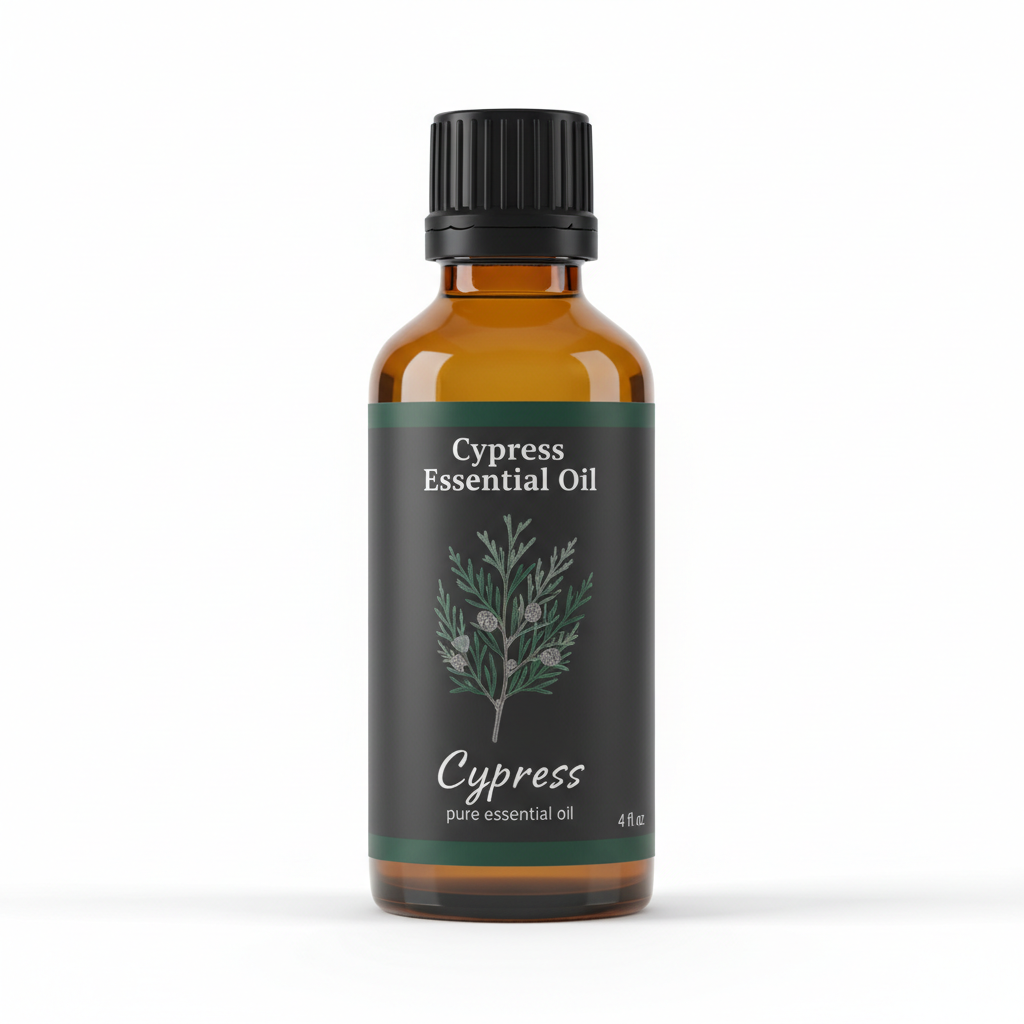
Cypress Essential Oil
Our own Cypress Essential Oil, in sizes from 0.5 oz to bulk.
From $10.99
Shop Now →This guide breaks the best cypress essential oil picks by intended use: diffusing for atmosphere, grooming products, and perfume blending. Each category has its own demands, and a top performer in one context can fall flat in another. Read on to find the right match for your routine.
How to Use This Guide
Each numbered entry focuses on a specific use case, then highlights what makes a particular grade or sourcing standard shine in that context. Because the cypress oil market ranges from budget commodity oils to small-batch distillations, quality signals like GC/MS testing and botanical origin are noted throughout. If you want a deeper dive into what those quality markers mean before you shop, the guide to reading a cypress oil GC/MS report is worth bookmarking.
Dilution notes and safety reminders are included wherever relevant. Essential oils are concentrated botanical extracts, and responsible use starts with understanding them.
For Diffusing
1. French Distilled Cupressus sempervirens for Clean, Lasting Room Presence
When it comes to cypress oil for diffusing, origin shapes everything about the experience. French-distilled oils from the Provence and Drôme regions tend to produce a scent that opens with bright, resinous top notes, then settles into a dry, woody base that lingers in a room long after the diffuser cycles off. The altitude and soil conditions of southern France appear to encourage a higher proportion of alpha-pinene, the primary constituent responsible for that signature fresh, green-woody character. The result is an oil that fills a space without becoming sharp or chemical-smelling.
For diffusing purposes, you want an oil with a relatively low price-per-drop cost, because diffusing consumes more volume than topical use. French oils sit at a mid-range price point compared to some niche suppliers, which makes them practical for everyday diffuser use. Look for a supplier that publishes batch-specific GC/MS data. Alpha-pinene content typically falls between 40 and 65 percent in a well-sourced French oil; anything lower might indicate adulteration or blending with a less expensive species.
Steam-distilled leaf and twig material generally produces a cleaner, brighter result than oils distilled from wood chips or bark, which can introduce heavier, slightly resinous notes that some people find heavy in a diffuser. If the supplier does not specify the plant part used, ask before buying.
Practical takeaway: Choose a GC/MS-verified French Cupressus sempervirens distilled from leaf and twig. Diffuse at 3 to 5 drops per 100 ml of water for a forest-atmosphere effect. Pairs well with cedarwood, juniper berry, or a small amount of bergamot for a citrus-wood blend.
2. Mediterranean Blend Oils for Warmer, Richer Diffuser Blends
Some of the top cypress oils for diffusing are not single-origin at all. Reputable blenders sometimes combine oils from different Mediterranean growing regions to create a more layered aromatic profile than any single source can produce alone. A Spanish or Moroccan component, for instance, can introduce slightly more sesquiterpene warmth, rounding out the sharper edges of a purely French distillation. The key word here is "reputable." Blending should be a deliberate aromatic choice, not a way to dilute an expensive oil with a cheaper one.
If you are building a diffuser blend for evening wind-down routines, a slightly warmer cypress oil can anchor a blend more effectively than a purely fresh-green oil. The added depth keeps the scent from feeling one-dimensional as it diffuses over an hour or more. Some users report that blended Mediterranean oils layer well with lavender, sandalwood, or vetiver for a calming evening atmosphere.
Transparency is the test here. A good supplier will describe which regions contribute to a blend and will still provide GC/MS documentation for the finished oil. If a product page simply says "Mediterranean cypress" without further detail, treat that as a yellow flag rather than a selling point. You can learn more about how growing region affects the final oil in this comparison of French vs. Mediterranean cypress oil.
Practical takeaway: Look for a documented blend from a supplier who names the contributing regions. Use 4 to 6 drops in a diffuser alongside a floral or earthy base note for a layered evening atmosphere blend. Not ideal for those who want a pure single-origin oil.
For Grooming
3. High Alpha-Pinene Oils for Facial and Scalp Care Formulations
Cypress essential oil has a long history of use in grooming formulations for oily or combination skin and scalp routines. Its dry, slightly astringent scent profile translates into a product that feels clean on application, and formulators have found that it blends well with lighter carrier oils like jojoba or squalane without contributing heaviness. For scalp care specifically, the woody-fresh note adds a sensory quality to rinse-off products that many people find more appealing than purely medicinal-smelling alternatives.
For topical use in grooming, the quality bar is higher than for diffusing. You want an oil with a certified GC/MS report confirming the absence of adulterants, and ideally an allergen profile disclosure. The main potential allergens in cypress oil include limonene and linalool; both occur in trace amounts in genuine Cupressus sempervirens, but a supplier willing to disclose this information is demonstrating a level of transparency worth rewarding with your purchase. Organic certification is worth considering here too, since topical products end up in contact with skin for longer durations than diffused molecules.
Dilution is non-negotiable for any topical application. The standard recommendation for facial products is 0.5 to 1 percent dilution in a finished formulation. For body care and scalp products, 1 to 2 percent is the commonly cited safe range for most adults. Always perform a patch test on a small area of inner arm skin at least 24 hours before using a new dilution on your face or scalp. Consult a qualified healthcare provider if you have any skin sensitivities or are pregnant.
Practical takeaway: For grooming use, prioritize organic certification and full allergen disclosure alongside GC/MS data. Keep facial dilutions at or below 1 percent. A 5 ml bottle from a quality supplier goes a long way when used at these ratios.
4. Small-Batch Distilled Oils for Artisan Beard and Hair Products
The market for artisan grooming products, particularly beard balms and hair oils, has created genuine demand for small-batch distilled cypress oil with a more complex aromatic character than commodity-grade material can offer. Small-batch distillers often work with fresher plant material and shorter distillation runs, which can preserve lighter volatile fractions that get cooked off in industrial-scale production. The scent result is frequently described as greener, more resinous, and more nuanced than what you find in large-volume commodity oils.
From a formulation standpoint, small-batch oils often have slightly different GC/MS profiles than commodity standards, with higher percentages of minor constituents like sabinene or terpinen-4-ol. These differences are subtle in a finished product, but they contribute to the overall aromatic complexity that artisan grooming brands are after. If you are formulating your own beard balm or hair pomade, a small-batch oil can become a genuine point of differentiation.
The trade-off is price and consistency. Small-batch oils cost more per milliliter, and batch variation means that a formulation made with one lot may smell slightly different from the next. Professional formulators handle this by building blends that are robust to minor variation, using cypress as a supporting note rather than the star of the show. Hobbyist formulators should buy enough of a single batch to complete a project run.
Practical takeaway: Source small-batch distilled cypress oil directly from the producer or a specialty aromatics supplier who can confirm the harvest date and lot number. Budget for higher cost per milliliter and buy sufficient quantity from a single batch for consistency.
For Perfume Blending
5. Rectified or Redistilled Oils for Fine Fragrance Work
Natural perfumers often reach for cypress as a dry, coniferous middle note that bridges citrus top notes with heavier woods or resins in the base. For fine fragrance work, the standard crude distillate is sometimes too green and sharp, which is why some suppliers offer rectified or redistilled versions. Rectification is a secondary distillation process that removes the heaviest and sometimes the lightest fractions, producing a smoother, more focused aromatic character suited to sophisticated blends.
A rectified cypress oil typically shows a tighter GC/MS profile with fewer outlier peaks, which makes it easier to predict how it will behave in a blend over time. Natural perfumers who work with it report that it accords well with labdanum, oakmoss absolutes, and various citrus esters, making it a useful structural note in chypre-style compositions. It also works in masculine-coded woody-aromatic profiles alongside cedarwood, vetiver, and a small amount of ambrette seed.
Sourcing rectified cypress for perfume use requires finding a supplier who specifically caters to the fragrance industry rather than the general aromatherapy market. Aromatic material suppliers will often carry multiple grades of the same botanical, so it is worth asking what options are available. A complete buyer's overview, including what to ask suppliers before purchasing any cypress oil grade, is covered in the complete cypress oil buyer's guide.
Practical takeaway: Seek out a fragrance-grade or rectified cypress oil from a supplier experienced with natural perfume materials. Request a GC/MS report and an odor description before ordering. Start blending at 3 to 8 percent of a total formula to find the right structural balance.
6. Organic Certified Oils for Natural and "Clean" Perfume Lines
The natural and clean beauty perfume segment has its own sourcing requirements that go beyond basic quality markers. Many brands in this space require organic certification for every raw material, and cypress is no exception. An organically certified Cupressus sempervirens oil carries documentation that the trees were grown without synthetic pesticides and that the supply chain has been audited at each stage. For a brand making claims about "all-natural" or "organic" fragrance, this paper trail is a commercial necessity.
From a purely aromatic standpoint, certified organic cypress oils are not always perceptibly different from high-quality conventional oils, since cypress trees are naturally hardy and rarely require intensive chemical inputs. The value is primarily in documentation and brand positioning. That said, a supplier who has gone through the cost and rigor of organic certification is usually also highly attentive to quality across other dimensions, which means the oil itself tends to be reliable.
Price is the main consideration. Certified organic cypress oil commands a meaningful premium over conventional material, and for a perfume sold in small volumes, that cost is manageable. For a grooming product manufactured at scale, the economics deserve careful evaluation. Some brands use certified organic cypress for their hero fragrance while sourcing conventional material for back-bar products where the organic story is less central to the consumer proposition.
Practical takeaway: If your brand requires certified organic material, request the certificate number and verify it with the certifying body before placing a large order. Factor the cost premium into your formulation budget from the start, especially if cypress is a key aromatic note rather than a supporting one.
Quick Comparison at a Glance
| Use Case | Best Grade | Key Quality Signal | Typical Dilution |
|---|---|---|---|
| Everyday diffusing | French single-origin | GC/MS, alpha-pinene 40-65% | 3-5 drops per 100 ml water |
| Evening atmosphere blends | Documented Mediterranean blend | Named regions, GC/MS | 4-6 drops per 100 ml water |
| Facial and scalp care | Organic, allergen-disclosed | Organic cert, full allergen list | 0.5-1% in finished product |
| Artisan grooming products | Small-batch distilled | Harvest date, lot number | 1-2% in finished product |
| Fine fragrance blending | Rectified or redistilled | Fragrance-grade GC/MS | 3-8% of total formula |
| Natural perfume lines | Certified organic | Verified organic certificate | 3-8% of total formula |
Final Thoughts on Choosing the Right Bottle
The best cypress essential oil for your needs is the one matched to how you actually plan to use it. A beautiful small-batch distillate that shines in a perfume blend may be wasted in a diffuser running all day, and a great value everyday diffusing oil may not carry the documentation a grooming brand needs. Spend a few minutes clarifying your use case before you compare prices.
Quality documentation, specifically a current GC/MS report from a third-party laboratory, is the single most reliable signal across all use cases. If a supplier cannot or will not provide one, that tells you something important. When you are ready to move from browsing to buying, the complete buyer's guide walks through every question worth asking a supplier before you commit to a purchase.