Cypress Oil for Oily Skin: An Honest Routine Guide
Cypress oil for oily skin works as a scent and a texture choice, not as a way to change how much oil your skin makes. Its clean, dry, woodsy aroma can make an evening routine something you look forward to, and in a light carrier like jojoba it is a well-mannered addition. That is the whole promise, and it is a fair one.
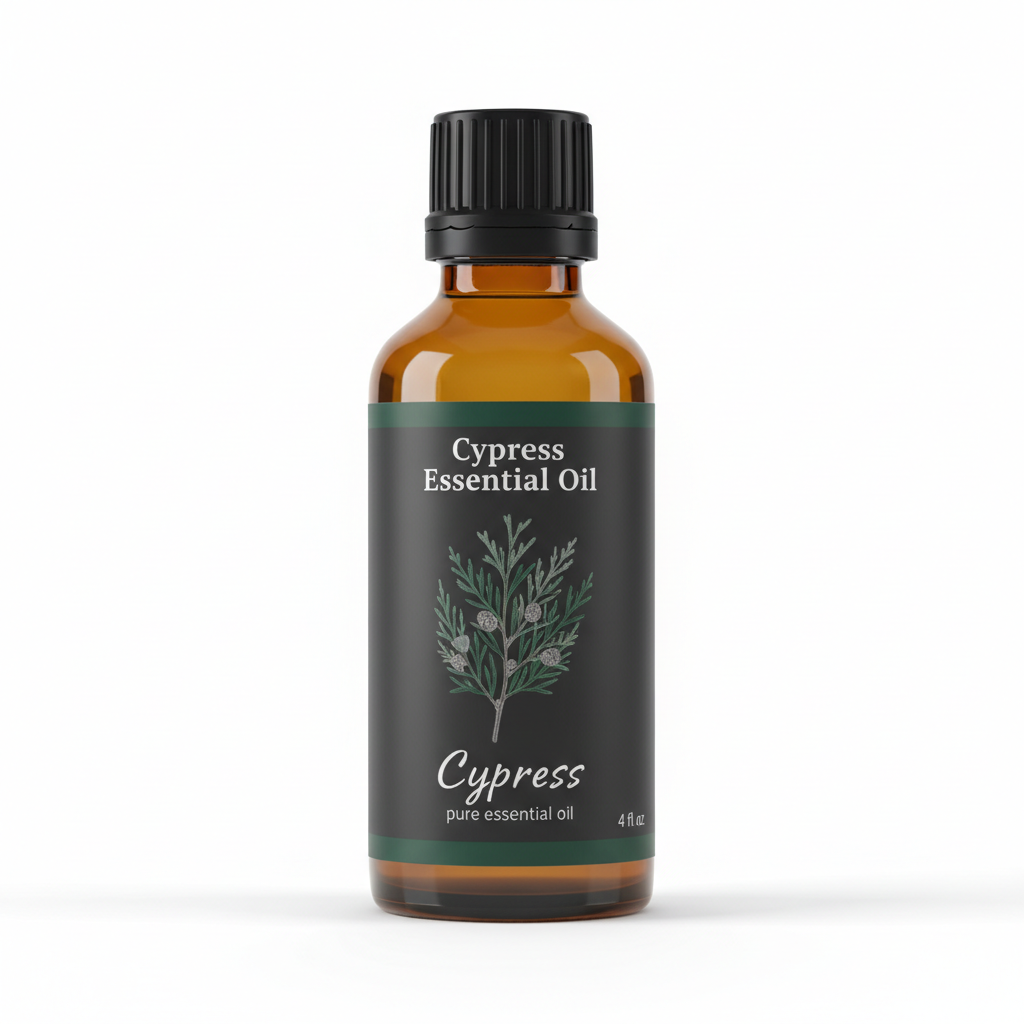
Cypress Essential Oil
Our own Cypress Essential Oil, in sizes from 0.5 oz to bulk.
From $10.99
Shop Now →The misconception to clear up first
Cypress shows up on nearly every list of astringent essential oils, and the word does a lot of quiet damage. Here is what it means: astringent describes a temporary tightening feel on the skin's surface. It is a sensation. It is not a change in how much oil your skin produces, and no essential oil has been shown to change sebum output.
So when a product, a blog, or a bottle label implies that an astringent oil will "balance" or "control" oiliness, read that as marketing shorthand for a fresh, tight-feeling finish. The feeling is real. The deeper claim is not supported.
Why does this matter for a routine? Because chasing that tight feeling is where most oily-skin routines go sideways. Skin that feels squeaky is skin that has been stripped of surface oil, and the natural reaction is to cleanse again, tone again, and reach for something harsher. Everyone loses in that loop, and the skin most of all.
What cypress honestly offers
Two things, and neither is dramatic.
The first is scent. Cypress smells green, resinous, and dry, a little like a walk through a conifer stand after rain. A routine that smells good is a routine you repeat, and consistency with a gentle routine matters more than any single ingredient. If you find sweet or floral oils cloying on your face in the evening, this is a drier alternative.
The second is manners. At low dilution in a light carrier, cypress is a pleasant, uncomplicated aromatic addition. Our broader guide to cypress oil for skin covers its aroma profile in more depth. Here we are only asking what it adds to an oily-skin routine, and the answer is atmosphere.
Materials you will need
- A gentle, low-foaming cleanser with no added fragrance
- An alcohol-free toner (the DIY version is linked in step 3)
- Jojoba oil, preferably in a dark glass bottle
- Steam-distilled cypress essential oil with the Latin name (Cupressus sempervirens) on the label
- A 10 ml dark glass dropper bottle for your blend
- A clean cotton pad or soft cloth
- A sticky label and pen, so you know the date and ratio
If you need to source the oil itself, our cypress oil selection lists the species and distillation details up front, which is the information worth checking on any bottle.
The jojoba paradox, explained
Putting oil on oily skin sounds backwards. It is not, and the reasoning is straightforward.
Jojoba is technically a liquid wax ester rather than a triglyceride oil, and its texture is light and slip-heavy. Applied in a thin layer, it tends to feel comfortable on skin that is already slick, and it spares you the stripped, tight feeling that a harsh routine creates. Skin that is not stripped gives you less reason to over-cleanse.
That is the argument, and it is a comfort argument. We are not saying jojoba changes how much oil your skin makes. Plenty of people with oily skin simply prefer a light oil to a heavy cream, and a light oil is the right place to carry a little cypress.
The routine, step by step
Step 1: Cleanse in the evening
Use lukewarm water and a gentle cleanser for about 30 to 60 seconds. Rinse thoroughly and pat dry with a clean cloth. Once a day is enough for this step in the routine, and the evening is the one that counts, because it clears away the day's sunscreen, dust, and surface oil.
Hot water feels satisfying and strips more than lukewarm does. If your face feels tight afterward, the cleanser or the water temperature is the first thing to change.
Step 2: Wait a minute, then pat dry again
Skin that is slightly damp takes products more comfortably than skin rubbed raw with a towel. Give it a minute and pat, never rub.
Step 3: Tone without alcohol
Choose an alcohol-free toner. The reason is the same as everywhere else in this piece: alcohol-heavy toners deliver the tight feeling quickly, and that feeling is exactly what sends people back to over-cleansing. If you would like a cypress-scented option, our cypress oil dilution chart shows how many drops per carrier suit different uses, which is the number to check before you scent anything that touches your face.
Apply the toner with a cotton pad or press it in with clean hands. One pass is plenty.
Step 4: Mix your 0.5 to 1 percent cypress blend
Here is the arithmetic for a 10 ml bottle, using the common rule of thumb of about 20 drops per milliliter:
- 0.5 percent: 1 drop of cypress oil in 10 ml of jojoba
- 1 percent: 2 drops of cypress oil in 10 ml of jojoba
Start at 0.5 percent. Fill the bottle with jojoba first, add the drops, cap it, and roll it between your palms. Label it with the date and the ratio. Drop sizes vary by bottle, so treat these numbers as approximate, and err on the side of fewer drops.
For dilution guidance, Robert Tisserand and Rodney Young's Essential Oil Safety (2nd edition) is the reference most aromatherapy safety discussions rest on. Facial skin is thinner and more easily irritated than the skin on your arms, which is why the facial range here sits at the low end.
Step 5: Patch test before the first use
This step is not optional.
- Dab a small amount of your finished blend on the inner forearm.
- Leave it uncovered and do not wash it off.
- Check the spot after 24 hours.
- If you see redness, itching, or any discomfort, wash the area with mild soap and water and do not use the blend on your face.
If the forearm is calm after a full day, test again at the jawline before moving to your whole face. Aromatic oils can behave differently on different parts of the body, so the second test is worth a day.
Step 6: Apply, but only two or three evenings a week
Warm two or three drops of the blend between clean fingertips and press, don't rub, over the face and neck. Avoid the eye area and lips. The oil should absorb and leave a soft finish within a few minutes. If it sits on the surface looking greasy, you used too much.
Two or three evenings a week is deliberate. A scented routine you use less often is a scented routine that is less likely to irritate. On the other evenings, follow the cleanse and toner steps with a plain moisturizer or nothing at all.
Common mistakes
- Chasing the tight feeling. It is a sensation and not a sign the routine is working. If your face feels tight, you have done too much.
- Going above 1 percent on the face. More drops do not mean a better scent or a better routine. They mean a higher chance of irritation.
- Using it undiluted. Essential oils go on the skin only after dilution in a carrier.
- Skipping the patch test because the oil "smells gentle." Scent says nothing about how your skin will react.
- Storing the blend badly. Cypress is rich in monoterpenes such as alpha-pinene, and compounds of that family oxidize readily when exposed to air, heat, and light. Oxidized oils are generally considered more likely to irritate skin, which is why a dark bottle in a cool cupboard matters. As a matter of reasoning, a half-empty bottle has more air inside it and should be used sooner than a full one. PubChem lists the constituent chemistry if you want to read further.
- Layering several scented products on the same night. If your cleanser, toner, and moisturizer are also fragranced, you cannot tell which one is bothering you.
Who should skip this
Be honest with yourself about these categories.
- Reactive skin. If your skin flushes or stings easily with new products, an unscented routine is a better foundation.
- Skin that is cut, raw, or freshly irritated. Leave aromatics off until it has settled.
- Anyone using a topical product directed by a doctor or dermatologist. Check with them before adding any essential oil, because layering can change how skin responds.
- Anyone pregnant or nursing. Ask your healthcare provider before using essential oils.
Keep the bottle out of reach of children and pets. If you are curious about hair-related uses, we cover the realistic limits in our piece on cypress oil and hair removal.
What to expect, realistically
Some people report that a light jojoba blend leaves their skin feeling comfortable and softly scented rather than tight. Others notice little difference from their usual routine, and that is a perfectly reasonable result. Anecdotal reports are all we can offer here, because no essential oil has been shown to change sebum output.
What you might reasonably expect: a pleasant, dry, woodsy evening ritual, and perhaps a reason to stay consistent with a gentle routine. What you should not expect: any change in how much oil your skin makes, any shrinking of pores, or any visible clearing. We do not make those claims, and neither should any bottle you buy.
If you have used a gentle routine consistently for several weeks and you are still concerned about how your skin looks or feels, the right person to ask is a dermatologist. A scented oil is a nice addition to a routine. It is no substitute for professional advice, and it should never replace anything a healthcare provider has recommended.
A simple weekly rhythm
| Evening | Routine |
|---|---|
| Monday | Cleanse, alcohol-free toner, cypress blend |
| Tuesday | Cleanse, toner, plain moisturizer |
| Wednesday | Cleanse, alcohol-free toner, cypress blend |
| Thursday | Cleanse, toner, plain moisturizer |
| Friday | Cleanse, alcohol-free toner, cypress blend (optional) |
| Weekend | Cleanse only, or skip the toner |
Treat this as a template, not a schedule to defend. If your skin feels best with the blend once a week, that is the right frequency for you.
Cypress earns its place in an oily-skin routine by smelling good and playing well with light carriers. Keep the ratio low, patch test first, and let the rest of the routine stay gentle.