How to Make a Cypress Linen and Closet Spray That Actually Lasts
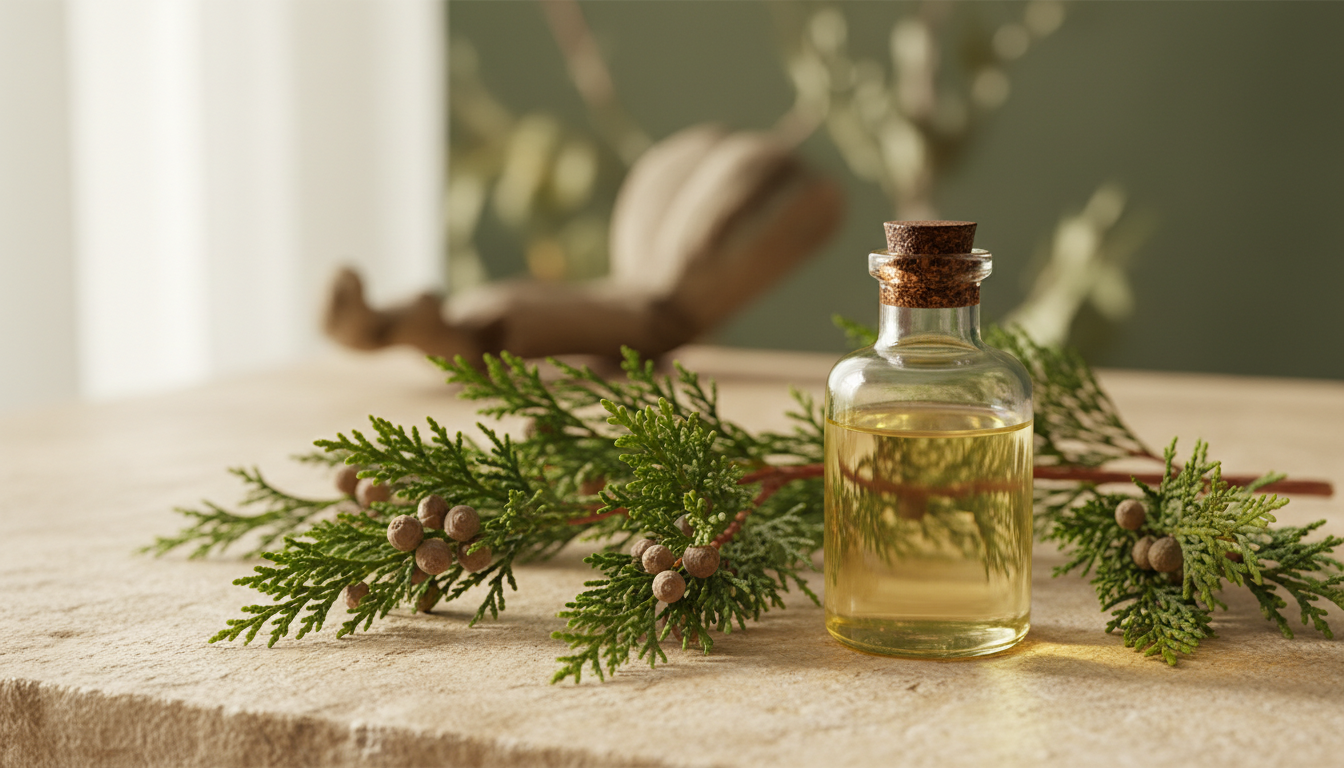
Cypress essential oil has a clean, woodsy, slightly green scent, somewhere between a forest floor and a freshly sharpened pencil. It's a favorite for linen and closet sprays because it's not sweet or floral, so it layers well with fabric without smelling like a candle aisle. The trouble is that most homemade linen sprays fade within a day or two, or worse, leave faint oily spots on your favorite pillowcase. Both problems come down to the same root cause: the recipe wasn't built to actually hold the oil in suspension.
Cypress Essential Oil
Our own Cypress Essential Oil, in sizes from 0.5 oz to bulk.
From $10.99
Shop Now →This guide walks through a cypress linen spray recipe that's built to last longer on fabric, plus the specific mistakes that cause most DIY sprays to underperform. If you've searched for how to make linen spray before and ended up with something that smelled great in the bottle and like nothing at all on your sheets, this is written for you.
Why Most Linen Sprays Fade Fast
Essential oils are not water soluble. Drop cypress oil straight into a bottle of water and shake it, and you'll get tiny oil droplets floating on the surface rather than a blended mist. When you spray that mixture, most of the scent stays concentrated in a few droplets instead of spreading evenly across the fabric, so the aroma reads as faint and disappears quickly. Those same undispersed droplets are also what cause spotting on delicate fabric.
The fix is a dispersing agent, usually high-proof alcohol or witch hazel, that helps the oil break into much finer particles and mix more evenly with the water. This is the difference between a linen spray that smells like something for a few hours and an essential oil closet spray that still has a faint, pleasant scent days later.
What You'll Need
- Cypress essential oil: look for oil labeled 100% pure with the botanical name Cupressus sempervirens, ideally with a batch or lot number and, if available, GC-MS testing information from the supplier.
- High-proof alcohol or witch hazel: unscented vodka (80 proof or higher), rubbing alcohol, or witch hazel with alcohol all work as a dispersant. Witch hazel gives a slightly softer finish on delicate fabrics.
- Distilled water: tap water introduces minerals that can leave residue on fabric over time and can also shorten shelf life. Distilled is worth the extra step.
- A dark glass spray bottle: 4 to 8 ounces is a practical size. Amber or cobalt glass protects the oil from light, which degrades essential oils faster than almost anything else.
- A small funnel to keep measuring clean.
- A fine-mist spray top, ideally one rated for glass bottles so it doesn't clog with oil residue.
- Optional: a complementary oil such as cedarwood or lavender, used in a small amount alongside the cypress to round out the scent.
Skip plastic bottles if you can. Essential oils can break down certain plastics over time, which shortens the life of both the bottle and the spray itself.
The Base Ratio
For a standard 4-ounce (120 ml) bottle, this ratio holds up well on cotton, linen, and most closet surfaces:
| Ingredient | 4 oz bottle | 8 oz bottle |
|---|---|---|
| Distilled water | 3 oz (90 ml) | 6 oz (180 ml) |
| Alcohol or witch hazel | 1 oz (30 ml) | 2 oz (60 ml) |
| Cypress essential oil | 15 to 20 drops | 30 to 40 drops |
That works out to roughly a 3:1 water-to-dispersant ratio, with the essential oil making up a small fraction of the total. This keeps the scent noticeable without oversaturating fabric, and it keeps the dilution well within a reasonable range for a leave-on fabric spray.
Step-by-Step Instructions
1. Sanitize your bottle
Rinse the glass bottle and spray top with hot water, then let it air dry completely. Any leftover moisture or residue can throw off your ratios and shorten how long the finished spray keeps its scent.
2. Add the alcohol or witch hazel first
Pour the alcohol or witch hazel into the bottle before anything else. Adding it first lets it coat the inside of the bottle slightly and gives the essential oil something to bind to right away instead of pooling on top of plain water.
3. Add the cypress essential oil
Measure your drops directly into the alcohol or witch hazel. Swirl the bottle gently for about 15 seconds so the oil has a chance to disperse into the alcohol before the water goes in. This one step is the biggest reason this diy linen spray with essential oil holds its scent longer than a straight water-and-oil mix.
4. Add any complementary oil
If you're layering in cedarwood, lavender, or another oil, add it now in a small amount, generally no more than 5 to 10 drops for a 4-ounce batch, so the cypress stays the dominant note.
5. Top with distilled water
Use your funnel to fill the rest of the bottle with distilled water, leaving a small gap at the top so there's room to shake the mixture without overflow.
6. Cap and shake thoroughly
Shake for a full 20 to 30 seconds, longer than feels necessary. This is what actually blends the oil into fine, evenly distributed droplets rather than a few large ones.
7. Patch test before full use
Spray a small amount on a hidden corner of the fabric you plan to use it on, such as the inside hem of a pillowcase or the back of a closet shelf liner. Let it dry fully and check the spot after a few hours before spraying anything more visible or delicate. This matters most on silk, wool, and anything hand-wash only, since some fabrics can show water spots or subtle color changes regardless of what's dissolved in the spray.
8. Label the bottle
Note the date and ratio on the bottle with a piece of tape or a small label. Homemade sprays are best used within a few months, and a date makes it easy to keep track.
9. Use with a light hand
Hold the bottle 8 to 10 inches from the fabric and mist lightly. For linens, a light pass over sheets or towels before folding works well. For closets, a few sprays on shelf liners or the inside of the closet door, away from direct contact with clothing, is usually enough.
10. Shake before every use
Even a well-dispersed mixture will separate somewhat over time. A quick shake before each spray keeps the oil evenly distributed instead of dumping a concentrated dose in the last few sprays of the bottle.
Tips for a Spray That Actually Lasts
- Store it away from heat and light. A linen closet or bathroom cabinet, out of direct sun, is far better than a windowsill.
- Use fresh oil. Essential oils lose potency over time, especially once opened. If your cypress oil is more than a year or two old, expect a weaker, less lasting scent no matter how well you mix it.
- Choose a true fine-mist sprayer. A cheap sprayer that dispenses in large droplets uses more liquid per spray and increases the odds of spotting.
- Refresh, don't overload. A light spray every few days keeps a room smelling fresh far more effectively than one heavy application that fades by evening.
- Pair with a low-tech scent anchor. A small unfinished wood block or a few extra drops on a cotton pouch tucked into a drawer can extend how long a closet holds onto the scent between sprays.
Common Mistakes to Avoid
Skipping the dispersant
This is the single most common reason a linen spray recipe fails. Water and oil alone will separate almost immediately, and every spray after the first one or two will carry mostly water with little to no scent.
Using too much oil
More drops does not mean a longer-lasting scent. Overloading the mixture increases the chance of oil residue on fabric and can make the scent feel heavy rather than fresh. Stick close to the ratios above and adjust gradually.
Using plastic bottles
Beyond the risk of the oil breaking down the plastic, plastic bottles don't block light the way dark glass does, and light exposure is one of the fastest ways to degrade essential oil.
Spraying directly onto delicate or dry-clean-only fabric
Silk, some wools, and certain dyed fabrics are more prone to visible water spots. When in doubt, spray a shelf liner or the inside of a garment bag instead of the fabric itself.
Not shaking before use
Even a well-made spray separates a little between uses. Skipping the shake means your first few sprays after mixing will be oil-heavy and your last few will be mostly water.
Storing near heat sources
A closet next to a water heater or a bathroom with a lot of steam will shorten the life of both the scent and the bottle's contents faster than a cool, dry space.
What to Expect
A well-mixed cypress linen spray recipe made with the ratio above may leave a light, fresh, woodsy scent on fabric that many people report noticing for a day or two after application, with a fainter trace lingering longer in enclosed spaces like a closet or drawer. Results vary depending on the fabric type, how much you spray, room temperature, humidity, and the freshness of your oil. Natural, unpreserved sprays like this one are not designed to hold a scent indefinitely the way commercial fragrance products with synthetic fixatives can, so plan on refreshing every few days rather than expecting a single application to last a week.
Some people also enjoy adding cypress spray to a closet as part of a broader routine for keeping stored linens smelling clean between washes, alongside good airflow and rotating stored items occasionally. Think of it as one small piece of a fresher-smelling space rather than a stand-alone fix for a stuffy closet.
Storage and Shelf Life
Kept in a dark glass bottle away from heat and light, a water-based linen spray like this is generally best used within two to three months. Because it contains water and no added preservative, it's not meant for indefinite storage the way the essential oil itself is. If the scent fades noticeably or the mixture starts to look cloudy or separated in a way that doesn't resolve with shaking, it's a good sign to mix a fresh batch rather than keep using it.
Before using any new fabric spray broadly, especially around household members with sensitive skin, patch test first and discontinue use if you notice any discomfort. As always, check with a qualified healthcare provider if you have questions about using essential oils around your household.